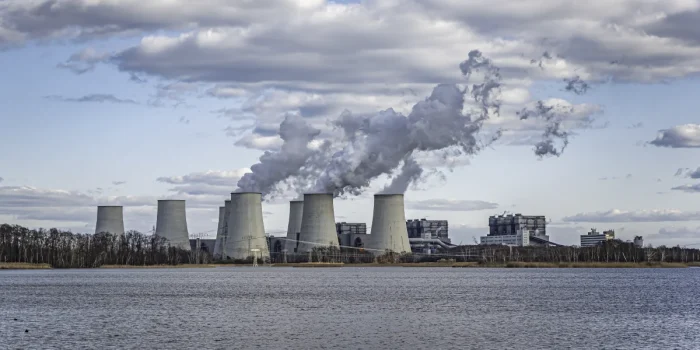
Introduction
Energy powers modern life. It lights hospitals, fuels transportation, and sustains global economies. Yet the way we generate energy has long carried hidden health costs. Air pollution from fossil fuels contributes to respiratory disease, cardiovascular illness, and premature death.
National Renewable Energy Day invites reflection on how shifting toward cleaner energy sources can protect both the planet and human well-being. Globally, fossil fuel combustion remains a major contributor to greenhouse gas emissions and outdoor air pollution.
At the center of this transition lies Renewable Energy and Public Health, a relationship that extends far beyond climate policy.
How can clean energy transform not only our environment but also global health outcomes?
The Health Burden of Fossil Fuels
Air pollution remains one of the leading environmental risk factors for disease. The World Health Organization estimates that ambient air pollution causes approximately 4.2 million premature deaths annually [1]. A significant proportion of this pollution is linked to fossil fuel combustion for electricity, transport, and industry.
Fine particulate matter (PM2.5) penetrates deep into the lungs and bloodstream, increasing the risk of heart disease, stroke, lung cancer, and chronic respiratory conditions. Children, older adults, and individuals with preexisting conditions are especially vulnerable.
Beyond air pollution, fossil fuels drive climate change. Rising temperatures increase heat-related illness, worsen wildfire smoke exposure, and alter infectious disease patterns.
Transitioning energy systems therefore has direct and measurable health implications.
Renewable Energy and Public Health Benefits
Renewable sources such as solar, wind, hydropower, and geothermal energy generate electricity without emitting air pollutants or greenhouse gases during operation. Replacing coal-fired power plants with renewable systems significantly reduces particulate emissions and sulfur dioxide output.
Research published in Nature Climate Change estimates that rapid decarbonization of energy systems could prevent millions of premature deaths globally by mid-century due to improved air quality [2].
In addition, renewable energy reduces dependence on resource extraction processes that degrade ecosystems and contaminate water supplies. Cleaner energy infrastructure supports healthier communities by lowering exposure to toxic emissions.
Renewable Energy and Public Health are therefore directly connected. Cleaner energy translates into fewer pollution-related illnesses and reduced strain on healthcare systems.
Economic and Climate Impacts
Renewable energy is also becoming increasingly cost-competitive. According to the International Renewable Energy Agency (IRENA), the cost of solar photovoltaic electricity has fallen by more than 80% over the past decade [3]. Wind energy costs have similarly declined.
Investment in renewables creates employment opportunities across manufacturing, installation, maintenance, and grid modernization sectors. Expanding clean energy infrastructure supports economic resilience while reducing carbon emissions.
Climate mitigation further protects health. The Intergovernmental Panel on Climate Change (IPCC) identifies rapid decarbonization as essential to limiting global temperature rise and reducing climate-related health risks [4].
Cleaner energy systems stabilize long-term environmental conditions that influence disease patterns and disaster frequency.
A One Health Perspective
Energy systems influence environmental quality, ecosystem stability, and human health. Fossil fuel extraction disrupts habitats, contaminates soil and water, and contributes to biodiversity loss [5]. These environmental changes can alter patterns of zoonotic disease emergence and food system stability.
A One Health perspective recognizes that environmental protection, animal health, and human well-being are interconnected. Transitioning toward renewable energy reduces ecological degradation and pollution exposure simultaneously.
Strengthening Renewable Energy and Public Health supports healthier air, more stable ecosystems, and reduced climate-related stressors. Energy choices therefore become preventive health measures.
Clean energy is not only a climate solution — it is a health intervention.
Conclusion
National Renewable Energy Day highlights the profound link between energy production and global well-being. Fossil fuels have powered development but at significant health and environmental cost.
By prioritizing Renewable Energy and Public Health, societies can reduce air pollution, prevent climate-related disease risks, and build more resilient systems.
The shift toward renewable energy represents more than technological progress. It is a measurable investment in healthier populations and a more stable planet.
References
- World Health Organization (WHO), 2022. Ambient (outdoor) air pollution.
https://www.who.int/news-room/fact-sheets/detail/ambient-(outdoor)-air-quality-and-health - Shindell, D. et al., 2018. Quantified, localized health benefits of accelerated carbon dioxide emissions reductions. Nature Climate Change, 8, pp.291–295.
https://doi.org/10.1038/s41558-018-0108-y - International Renewable Energy Agency (IRENA), 2023. Renewable Power Generation Costs in 2022.
https://www.irena.org/Publications/2023/Aug/Renewable-power-generation-costs-in-2022 - IPCC, 2023. Climate Change 2023: Mitigation of Climate Change.
https://www.ipcc.ch/report/ar6/wg3/ - Landrigan, P.J. et al., 2018. The Lancet Commission on pollution and health. The Lancet, 391(10119), pp.462–512.
https://doi.org/10.1016/S0140-6736(17)32345-0