In the first quarter of 2026, the World Health Organization (WHO) has tracked 13 avian and swine influenza cases in people, including one previously unreported fatal case of H5N1 in a child from Bangladesh.
The detections include four human cases of H5N1 avian influenza, influenza A(H9N2) in five humans, and one human case each of influenza A(H10N3), influenza A(H1N1) variant ((H1N1)v), influenza A(H1N2)v, and influenza A(H3N2)v.
Of the five H9N2 cases, four were from China and one was reported in Italy. All H1 variants were reported in China. Three of the H5N1 cases were reported in Cambodia, with the fatal case reported in Bangladesh.
The fatal case from Bangladesh was reported to the WHO on February 9, after the patient first displayed symptoms on January 21 and was hospitalized on January 28. The patient, who had no comorbidities, died on February 1.
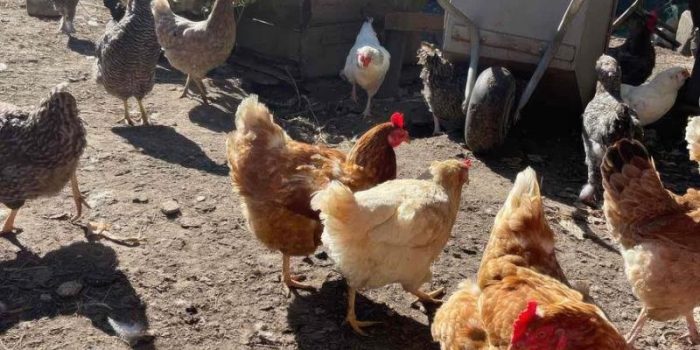
“The case had exposure to household poultry, with two ducks and one chicken reportedly dying shortly before the case’s illness onset,” the WHO said in its report, and genetic testing showed the virus wassimilar to the clade of viruses circulating in local poultry since around 2011.
This is the first case reported in Bangladesh in 2026. Last year, the country recorded four H5N1 cases.
Cases in children recorded
Two of the H9N2 cases also occurred in children under the age of 5, both from China.
Of note, all three swine flu variant cases also occurred in children. The two Chinese cases had contact with pigs. The case noted in Brazil was from September of 2025 and previously unreported. The patient, described as a male child, was a student at an agricultural school where pigs and laying hens are raised. No close contact with sick animals was reported.
Despite the new cases, the WHO said the overall risk to the general population remains low, with none of the close contacts of the 13 case-patients reporting illnesses.
Sustained human to human transmission has not been reported associated with the above-mentioned human infection events.
“Sustained human to human transmission has not been reported associated with the above-mentioned human infection events. Based on information available at the time of this risk assessment update, the overall public health risk from currently known influenza A viruses detected at the human-animal interface has not changed and remains low,” the WHO said.