Introduction
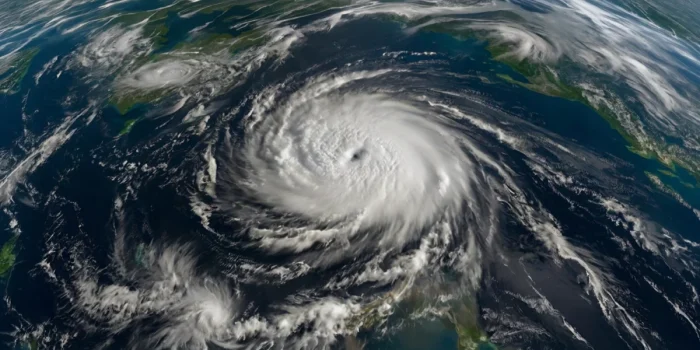
Hurricanes are among the most destructive natural disasters, bringing strong winds, heavy rainfall, flooding, and widespread disruption. As climate patterns shift, the intensity and impact of hurricanes are increasing, placing greater pressure on communities and emergency systems. The concept of hurricane disaster preparedness highlights the importance of planning ahead to reduce risks and protect lives.
In 2026, hurricane activity continues to affect coastal and inland regions, causing damage to infrastructure, ecosystems, and public health systems. Preparation is no longer a seasonal concern—it is an ongoing necessity. Effective preparedness reduces immediate danger while strengthening long-term resilience. As storms become more unpredictable, communities must adapt by integrating preparedness into daily planning and long-term strategies.
How can individuals and communities improve hurricane disaster preparedness?
Hurricane Disaster Preparedness at Home
Preparation often begins at home. Securing roofs, reinforcing windows, and clearing surrounding areas can reduce structural damage during a storm. Ensuring proper drainage and removing debris helps minimize flooding risks. Even small preventive actions can significantly reduce the impact of strong winds and heavy rain.
Equally important is preparing emergency supplies. Stocking essential items such as water, non-perishable food, medications, and first-aid materials ensures that households can remain safe during disruptions. Research shows that preparedness measures significantly reduce disaster-related losses and improve survival outcomes [1].
Planning for Safe and Timely Evacuation
Developing a clear evacuation plan is critical. Knowing evacuation routes, identifying safe shelters, and establishing communication plans can make a significant difference during emergencies. Delays or confusion during evacuation can increase exposure to dangerous conditions, especially in rapidly changing weather situations.
Practicing evacuation plans in advance improves response time and reduces panic. When individuals understand their roles and actions, they are more likely to respond effectively. Coordinated planning at both household and community levels ensures safer and more organized movement during emergencies.
Staying Informed and Connected
Access to accurate and timely information is essential during hurricane events. Weather forecasts, emergency alerts, and official guidance help individuals make informed decisions. Early warnings provide valuable time to prepare homes or evacuate when necessary.
Reliable communication systems are especially important when conditions change rapidly. Staying informed allows communities to respond quickly and reduces the likelihood of last-minute decisions that increase risk. Consistent access to trusted information sources strengthens preparedness efforts.
Protecting Health During and After Storms
Hurricanes pose serious health risks, both during and after the event. Floodwaters can carry contaminants, increasing the risk of waterborne diseases. Power outages can disrupt healthcare services, refrigeration of medicines, and access to clean water.
Preparedness helps reduce these risks. Safe water storage, proper sanitation, and access to medical supplies are essential for maintaining health during emergencies. Studies show that disaster preparedness plays a key role in reducing health impacts following extreme weather events [2]. Protecting vulnerable populations remains a critical component of effective planning.
Environmental and System-Level Impact
Hurricanes affect more than just human populations. They disrupt ecosystems, damage natural resources, and alter landscapes. Flooding and storm surges can lead to long-term environmental degradation, affecting both biodiversity and resource availability.
Scientific evidence indicates that climate change is influencing hurricane intensity and rainfall patterns [3]. Research also shows that the overall destructiveness of tropical cyclones has increased over recent decades, reinforcing concerns about stronger and more damaging storms [4]. This increases the likelihood of severe storms and amplifies their impact on both natural and built environments. Recovery from these effects can take years, requiring coordinated environmental and infrastructure management.
A One Health Perspective
The concept of hurricane disaster preparedness reflects the interconnected nature of environmental, animal, and human health. Hurricanes impact ecosystems, displace wildlife, and affect human communities simultaneously.
Preparing for these events helps protect all components of this system. Reducing environmental damage supports long-term ecosystem stability, while effective planning improves human health outcomes. Integrated approaches that combine environmental management, public health planning, and community engagement are essential for addressing hurricane risks.
Conclusion
Hurricanes are a growing global challenge that requires proactive and coordinated responses. The concept of hurricane disaster preparedness emphasises the importance of planning, awareness, and community action.
By preparing homes, staying informed, and strengthening community resilience, individuals can reduce risk and protect both health and infrastructure.
References
- Cutter, S.L., Burton, C.G. and Emrich, C.T., 2010. Disaster resilience indicators for benchmarking baseline conditions. Journal of Homeland Security and Emergency Management, 7(1).
https://doi.org/10.2202/1547-7355.1732 - Saulnier, D.D., Brolin, K. and von Schreeb, J., 2017. No calm after the storm: A systematic review of human health following flood and storm disasters. Prehospital and Disaster Medicine, 32(5), pp.568–579.
https://doi.org/10.1017/S1049023X17006574 - Knutson, T.R. et al., 2020. Tropical cyclones and climate change assessment: Part II. Bulletin of the American Meteorological Society, 101(3), pp.E303–E322.
https://doi.org/10.1175/BAMS-D-18-0194.1 - Emanuel, K., 2005. Increasing destructiveness of tropical cyclones over the past 30 years. Nature, 436, pp.686–688. Available at: https://doi.org/10.1038/nature03906