Introduction
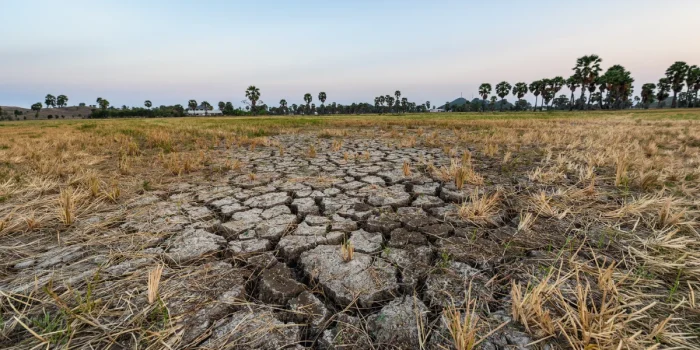
World Day to Combat Desertification and Drought highlights the growing environmental crisis affecting ecosystems, agriculture, and human survival across many regions of the world. Desertification and prolonged drought are reducing soil productivity, weakening biodiversity, and threatening water security for millions of people. The idea of drought resilience strategies reflects the urgent need to protect natural resources while strengthening environmental and community stability.
In 2026, climate change, unsustainable land use, deforestation, and rising temperatures continue to accelerate land degradation globally. These environmental pressures contribute to food insecurity, migration, economic instability, and increased public health risks. Protecting land ecosystems has become essential for building a more sustainable and resilient future.
How can stronger drought resilience strategies help protect ecosystems, communities, and long-term environmental stability?
Drought Resilience Strategies and Land Restoration
Healthy land systems are essential for environmental sustainability and food production. Forests, grasslands, and fertile soils help regulate water cycles, support biodiversity, and maintain agricultural productivity.
Scientific evidence shows that land degradation weakens ecosystem resilience and increases vulnerability to drought and climate stress [1]. Restoring degraded land through sustainable agriculture, reforestation, and soil conservation can improve water retention and ecosystem recovery.
Protecting healthy landscapes is therefore critical for strengthening environmental resilience and reducing future climate risks.
Climate Change and Water Scarcity
Climate change is intensifying drought conditions in many parts of the world. Rising temperatures increase evaporation rates, reduce freshwater availability, and contribute to prolonged dry conditions.
Research from the Intergovernmental Panel on Climate Change confirms that climate change significantly affects global water systems and environmental stability [2]. Water scarcity threatens agriculture, sanitation, and economic security while increasing pressure on vulnerable populations.
Improving water management systems and supporting climate adaptation measures are essential for reducing drought-related risks.
Desertification and Food Security
Desertification directly affects food systems by reducing soil fertility and agricultural productivity. As productive land becomes degraded, communities face growing challenges related to crop failure, livestock loss, and nutritional insecurity.
Studies show that land degradation contributes to food insecurity and economic instability across drought-prone regions [3]. Rural populations are especially vulnerable because many communities depend heavily on agriculture for survival and income.
Sustainable farming practices and ecosystem restoration programs can help strengthen food security while protecting environmental resources.
Biodiversity and Ecosystem Stability
Biodiversity plays an important role in maintaining healthy ecosystems and improving resilience to environmental stress. Diverse plant and animal species support soil health, pollination, and natural water regulation.
Scientific evidence demonstrates that biodiversity loss weakens ecosystem function and environmental stability [4]. Desertification and habitat destruction reduce species diversity and disrupt ecological balance.
Protecting biodiversity through conservation and sustainable land management helps strengthen ecosystem resilience and environmental recovery.
A One Health Perspective
The concept of drought resilience strategies aligns closely with the One Health approach, which recognises the connection between environmental, human, and animal health.
Land degradation and water scarcity affect agriculture, food systems, wildlife habitats, and public health outcomes. Environmental stress may also increase displacement, poverty, and disease risks within affected populations.
Integrated strategies that combine environmental restoration, sustainable agriculture, water management, and public health planning are essential for building long-term resilience. One Health highlights that protecting ecosystems also protects the communities and species that depend on them.
Conclusion
World Day to Combat Desertification and Drought serves as a reminder that healthy land systems are essential for environmental stability and human survival. The importance of drought resilience strategies continues to grow as climate change and land degradation place increasing pressure on ecosystems worldwide.
Water scarcity, biodiversity loss, and declining agricultural productivity are interconnected challenges that require coordinated global action. Supporting sustainable land management and ecosystem restoration can help strengthen resilience and reduce future environmental risks.
Protecting the land means protecting the future of life itself.
References
- UNCCD, 2022. Global Land Outlook 2. United Nations Convention to Combat Desertification.
https://www.unccd.int/resources/global-land-outlook/global-land-outlook-2 - IPCC, 2023. Climate Change 2023: Synthesis Report.
https://doi.org/10.59327/IPCC/AR6-9789291691647 - Mirzabaev, A. et al., 2019. Desertification. In: Climate Change and Land: An IPCC Special Report.
https://www.ipcc.ch/srccl/chapter/chapter-3/ - Cardinale, B.J. et al., 2012. Biodiversity loss and its impact on humanity. Nature, 486, pp.59–67.
https://doi.org/10.1038/nature11148