Introduction
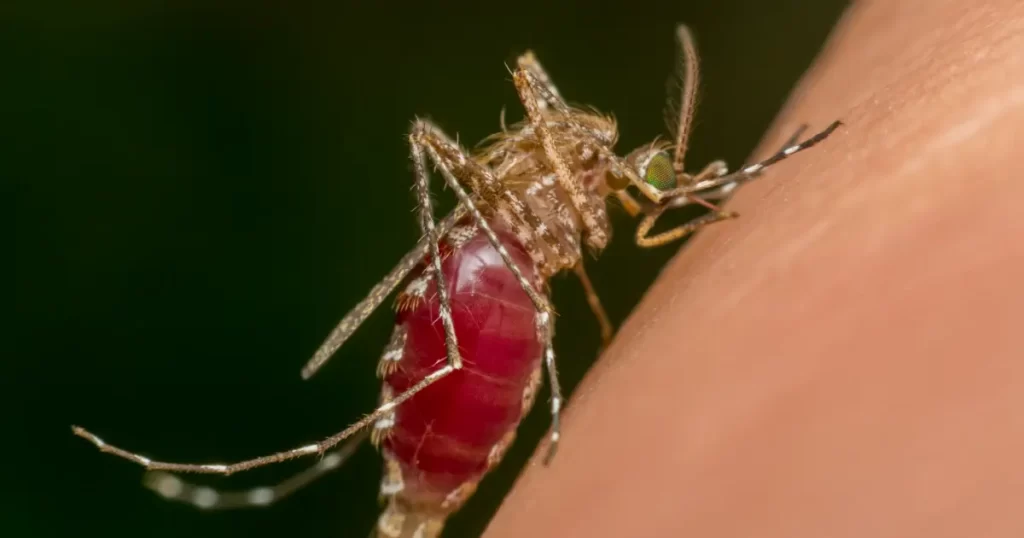
Insects are often overlooked because of their size, yet they are among the most important organisms on Earth. The survival of forests, crops, wildlife, and entire ecosystems depends heavily on Essential Insect Ecosystems that regulate pollination, decomposition, soil health, and food chains worldwide. From bees and butterflies to ants and beetles, insects quietly perform environmental functions that sustain life across the planet.
Insect Week highlights the growing scientific understanding that insect populations are essential for biodiversity and ecological resilience. At the same time, climate change, pesticide exposure, habitat destruction, and pollution are placing increasing pressure on insect species in many ecosystems worldwide. Scientists warn that losing insects could destabilise environmental systems that humans and wildlife depend on every day.
How important are Essential Insect Ecosystems to the future balance of life on Earth?
Essential Insect Ecosystems and Food Production
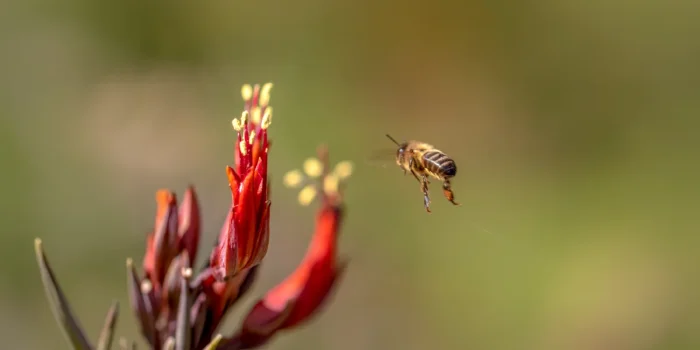
Insects play a critical role in agriculture and global food security. Pollinators such as bees, butterflies, and flies help fertilise crops that provide fruits, vegetables, seeds, and nuts for human populations worldwide.
Scientific evidence shows that pollinators are essential for maintaining agricultural productivity and biodiversity [1]. Without healthy insect populations, crop yields could decline significantly, increasing risks for food systems and economic stability.
Many ecosystems and agricultural industries therefore depend directly on stable insect populations for long-term sustainability.
Nature’s Smallest Engineers
Insects also function as natural recyclers and environmental engineers. Beetles, termites, ants, and other species help decompose organic material, recycle nutrients, and improve soil quality.
Research demonstrates that biodiversity supports ecosystem resilience and environmental stability [2]. Insects contribute to healthy forests, grasslands, and freshwater ecosystems by maintaining natural ecological processes that support plant and animal life.
Even species that are rarely noticed by humans perform functions critical for environmental balance.
Climate Change and Habitat Pressure
Climate change is rapidly altering insect habitats around the world. Rising temperatures, droughts, floods, and wildfires affect breeding cycles, migration patterns, and food availability for many insect species.
At the same time, urbanisation, deforestation, and pesticide use continue to reduce biodiversity and destroy insect habitats. Scientists report significant declines in insect biomass across multiple ecosystems because of combined environmental pressures [3,4].
Protecting insect habitats through sustainable land management and biodiversity conservation is becoming increasingly important for ecosystem resilience.
Why Insects Matter to Human Health
Although insects are commonly associated with agriculture and ecosystems, they also influence human health and environmental quality. Pollination supports nutrition and food security, while decomposition processes help maintain cleaner and healthier environments.
Some insects also serve as environmental indicators, helping scientists monitor pollution levels and ecosystem changes. At the same time, balanced insect ecosystems may help regulate pests naturally and reduce environmental stress within agricultural systems.
Healthy insect populations therefore contribute indirectly to stronger environmental and public health outcomes.
A One Health Perspective
The concept of Essential Insect Ecosystems closely aligns with the One Health approach, which recognises the connection between environmental, animal, and human health.
Insects support biodiversity, food systems, soil health, and ecosystem resilience across the planet. Environmental disruption affecting insects may also influence wildlife populations, agricultural stability, and human communities.
Integrated approaches that combine biodiversity protection, sustainable agriculture, and environmental conservation are essential for protecting insect ecosystems. One Health highlights that even the planet’s smallest species play a major role in sustaining life on Earth.
Conclusion
Insects may be small, but their environmental importance is enormous. The growing awareness of Essential Insect Ecosystems highlights how deeply connected biodiversity, food systems, and environmental stability truly are.
Climate change, habitat destruction, and pollution continue to threaten insect populations worldwide. Yet conservation efforts, sustainable farming practices, and environmental awareness campaigns can still help protect the species that quietly support life across the planet.
Insect Week reminds us that the future of ecosystems may depend on protecting nature’s smallest architects.
References
- IPBES, 2016. The Assessment Report on Pollinators, Pollination and Food Production.
https://www.ipbes.net/assessment-reports/pollinators - Cardinale, B.J. et al., 2012. Biodiversity loss and its impact on humanity. Nature, 486, pp.59–67.
https://doi.org/10.1038/nature11148 - Hallmann, C.A. et al., 2017. More than 75 percent decline over 27 years in total flying insect biomass in protected areas. PLOS ONE, 12(10), e0185809.
https://doi.org/10.1371/journal.pone.0185809 - Sánchez-Bayo, F. and Wyckhuys, K.A.G., 2019. Worldwide decline of the entomofauna: A review of its drivers. Biological Conservation, 232, pp.8–27.
https://doi.org/10.1016/j.biocon.2019.01.020