Introduction
What if the next disease outbreak could be detected before hospitals begin reporting cases? What if unusual animal deaths, climate conditions, travel patterns, and online health searches could be analyzed in real time to identify emerging threats before they spread? These questions are driving one of the fastest-growing areas of public health innovation. The rise of AI Pandemic Prediction is transforming how scientists monitor diseases and respond to emerging health risks.
Artificial intelligence is increasingly being used to process vast amounts of information. These data come from healthcare systems, environmental monitoring networks, veterinary surveillance programs, satellite imagery, and digital communications. By identifying patterns that humans may overlook, AI offers new opportunities to strengthen preparedness and improve response times.
Can AI Pandemic Prediction help prevent the next pandemic before it begins?
AI Pandemic Prediction and Early Warning Systems
Traditional disease surveillance often relies on healthcare providers reporting cases after infections have already occurred. While these systems remain essential, they can sometimes struggle to keep pace with rapidly emerging threats.
Artificial intelligence allows researchers to analyze multiple streams of data simultaneously. Machine learning systems can identify unusual disease patterns and detect anomalies. They can also generate early warnings that may help public health agencies respond more quickly [1].
Some modern surveillance platforms can process information from news reports, health records, environmental monitoring systems, and online activity to identify signals that warrant further investigation.
Learning From Human, Animal, and Environmental Data
One of the greatest strengths of AI within a One Health framework is its ability to integrate diverse sources of information.
Emerging diseases often originate where human, animal, and environmental systems intersect. Wildlife monitoring, livestock health records, climate data, land-use changes, and human disease reports may all contain important signals. These signals can indicate elevated risk.
Research suggests that combining these datasets can improve outbreak forecasting and support more proactive public health interventions [2].
This integrated approach is especially important because many emerging infectious diseases are influenced by environmental disruption, biodiversity changes, and increased contact between humans and animals.
Can Algorithms Predict the Next Pandemic?
While no technology can predict every outbreak with complete certainty, artificial intelligence is increasingly being used to estimate disease risks and identify potential hotspots.
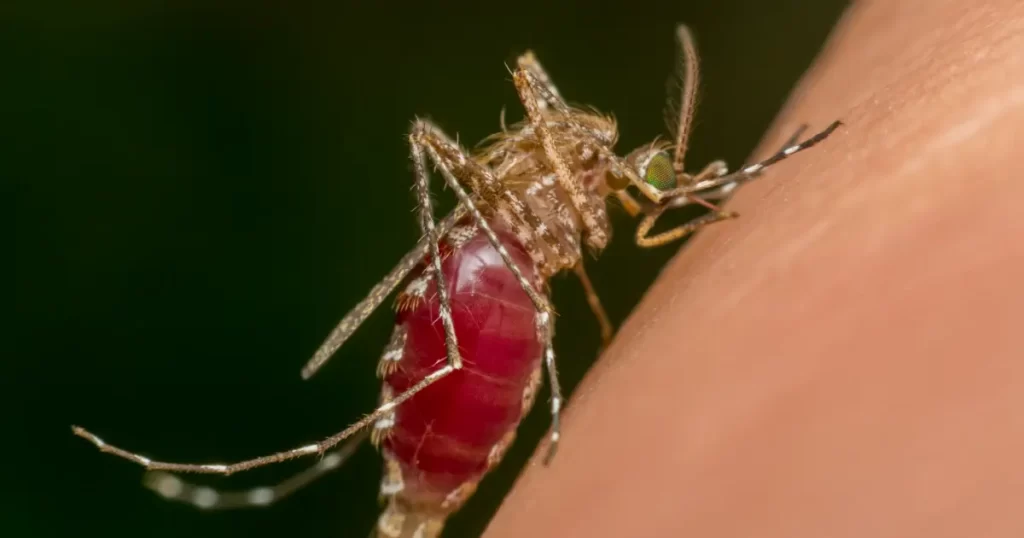
Researchers have developed machine learning models capable of forecasting disease spread and analyzing pathogen evolution [3]. These models can also estimate spillover risk from animals to humans. Some systems can also monitor environmental changes that may increase the likelihood of vector-borne diseases such as malaria, dengue, and West Nile virus.
Rather than predicting a specific pandemic years in advance, AI is helping identify warning signals earlier and improving preparedness for emerging threats.
The Role of AI in Climate and Disease Monitoring
Climate change is influencing disease patterns worldwide. Rising temperatures, changing rainfall patterns, habitat shifts, and extreme weather events can alter the distribution of disease vectors and wildlife hosts.
Artificial intelligence can process environmental data from satellites, weather systems, and ecological monitoring programs to identify conditions that may favor disease emergence [4]. By combining climate information with public health data, researchers can better understand how environmental changes influence health risks.
As climate-related health challenges continue to evolve, AI is becoming an increasingly valuable tool for understanding complex interactions between ecosystems and disease transmission.
A One Health Perspective
The concept of AI Pandemic Prediction aligns closely with the One Health approach because it depends on understanding the interconnected nature of human, animal, and environmental health.
Artificial intelligence does not replace experts; it helps them analyze larger datasets and identify emerging risks more effectively.
By integrating information across sectors, AI can support earlier detection, stronger surveillance systems, and more coordinated responses to complex health challenges. The result is a more comprehensive understanding of disease emergence and prevention.
Conclusion
Artificial intelligence is rapidly becoming a powerful tool in disease surveillance and public health preparedness. The growing field of AI Pandemic Prediction offers new opportunities to identify health threats earlier, improve forecasting, and strengthen response strategies.
Although AI cannot eliminate the risk of future outbreaks, it can help scientists and public health agencies detect warning signs that might otherwise go unnoticed. As technologies continue to advance, their role within One Health is likely to become even more important.
References
- World Health Organization, 2024. Artificial Intelligence for Health: Ethics and Governance. Available at:
https://www.who.int/publications/i/item/9789240029200 - Carlson, C.J. et al., 2022. The future of zoonotic risk prediction. Philosophical Transactions of the Royal Society B, 377(1857), 20210256.
https://doi.org/10.1098/rstb.2021.0256 - Centers for Disease Control and Prevention (CDC), 2026. Data Modernization for Public Health. Available at:
https://www.cdc.gov/data-modernization/php/index.html - Ryan, S.J. et al., 2019. Global expansion and redistribution of Aedes-borne virus transmission risk with climate change. PLOS Neglected Tropical Diseases, 13(3), e0007213.
https://doi.org/10.1371/journal.pntd.0007213