Introduction
What makes a community truly healthy? Access to healthcare is certainly important, but so are clean streets, healthy parks, safe waterways, and neighborhoods free from pollution. Increasingly, scientists recognize that the quality of our surroundings directly influences the quality of our lives. The concept of Cleaner Communities goes far beyond appearance—it reflects how environmental conditions shape human health, biodiversity, and community resilience.
World Clean and Green Week celebrates collective action to improve the places where we live. While community cleanups remain an important tradition, today’s environmental challenges require broader thinking. Researchers are examining how litter, plastic pollution, urban greening, air quality, and community engagement all contribute to healthier environments and healthier populations.
Could creating cleaner communities also become one of the most effective public health strategies of the future?
Cleaner Communities Improve Public Health
Environmental cleanliness affects much more than aesthetics.
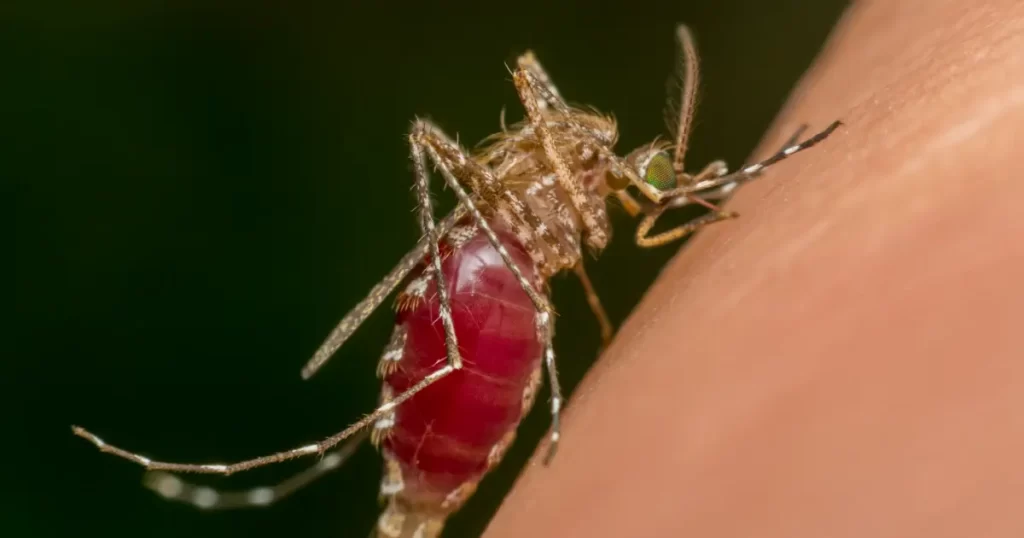
Poor waste management can contaminate soil, waterways, and air while creating conditions that attract disease-carrying pests such as rodents and mosquitoes. Plastic waste can block drainage systems, contributing to flooding and creating stagnant water where mosquitoes breed.
Research increasingly shows that cleaner urban environments are associated with improved physical health, reduced environmental hazards, and better quality of life [1].
Preventing pollution before it occurs is often far more effective than managing its consequences.
Green Spaces Are Natural Health Infrastructure
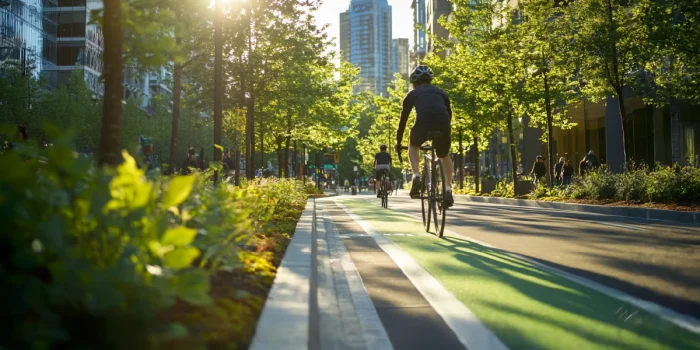
Modern cities are beginning to view parks, trees, wetlands, and urban forests as essential infrastructure rather than optional amenities.
Green spaces help reduce urban heat, improve air quality, absorb stormwater, support biodiversity, and encourage physical activity. Studies also suggest that regular exposure to natural environments is associated with lower stress levels, improved mental health, and better overall well-being [2].
As cities continue to grow, investing in green infrastructure is becoming an increasingly important strategy for protecting both environmental and public health.
The Hidden Cost of Plastic Pollution
Plastic pollution has become one of the defining environmental challenges of the twenty-first century.
Improperly managed plastic waste affects rivers, oceans, wildlife, and food systems. Over time, larger plastics break down into microplastics that have now been detected in drinking water, seafood, soils, and even human blood.
Scientists continue to investigate how long-term exposure to microplastics may affect human health, while emphasizing the importance of reducing plastic waste before it enters the environment [3].
Keeping communities clean therefore contributes to much larger efforts to protect ecosystems and reduce pollution.
Communities Drive Lasting Change
Environmental improvements are most successful when local communities become active participants.
Neighborhood cleanups, tree planting, recycling initiatives, citizen science projects, school environmental programs, and habitat restoration all strengthen community engagement while improving local environments.
Research suggests that communities with stronger environmental participation are often better prepared to address broader sustainability challenges because residents develop a greater sense of stewardship and shared responsibility.
Small local actions can collectively create significant environmental benefits.
A One Health Perspective
The concept of Cleaner Communities reflects the One Health principle that human, animal, and environmental health are closely interconnected.
Cleaner neighborhoods reduce pollution, protect wildlife habitats, improve water quality, and create healthier living conditions for people. Green spaces support biodiversity while encouraging physical activity and mental well-being. Responsible waste management helps reduce environmental contamination that can affect both ecosystems and public health.
One Health reminds us that protecting our environment also means protecting ourselves.
Conclusion
World Clean and Green Week is about much more than collecting litter. It is an opportunity to recognize how cleaner environments contribute to healthier communities, stronger ecosystems, and more sustainable futures.
The growing evidence supporting Cleaner Communities demonstrates that environmental stewardship benefits both people and nature. From reducing pollution and protecting biodiversity to improving mental health and strengthening community resilience, clean and green spaces are investments in long-term well-being.
Creating healthier communities begins with the choices we make every day—and the environments we choose to protect together.
References
- Landrigan, P.J. et al., 2018. The Lancet Commission on pollution and health. The Lancet, 391(10119), pp.462–512.
https://doi.org/10.1016/S0140-6736(17)32345-0 - Twohig-Bennett, C. and Jones, A., 2018. The health benefits of the great outdoors: A systematic review and meta-analysis of greenspace exposure. Environmental Research, 166, pp.628–637.
https://doi.org/10.1016/j.envres.2018.06.030 - United Nations Environment Programme (UNEP), 2023. Turning off the Tap: How the World Can End Plastic Pollution and Create a Circular Economy. Available at:
https://www.unep.org/resources/turning-off-tap-end-plastic-pollution-create-circular-economy - World Health Organization, 2024. Urban Green Spaces and Health. Available at:
https://www.who.int/europe/publications/i/item/9789289052498