Introduction
Each year, National Animal Disaster Preparedness Day highlights the importance of including animals in emergency planning. Disasters such as hurricanes, wildfires, and floods do not affect humans alone. Domestic animals, livestock, and wildlife are equally exposed to danger, often with limited ability to escape or access care.
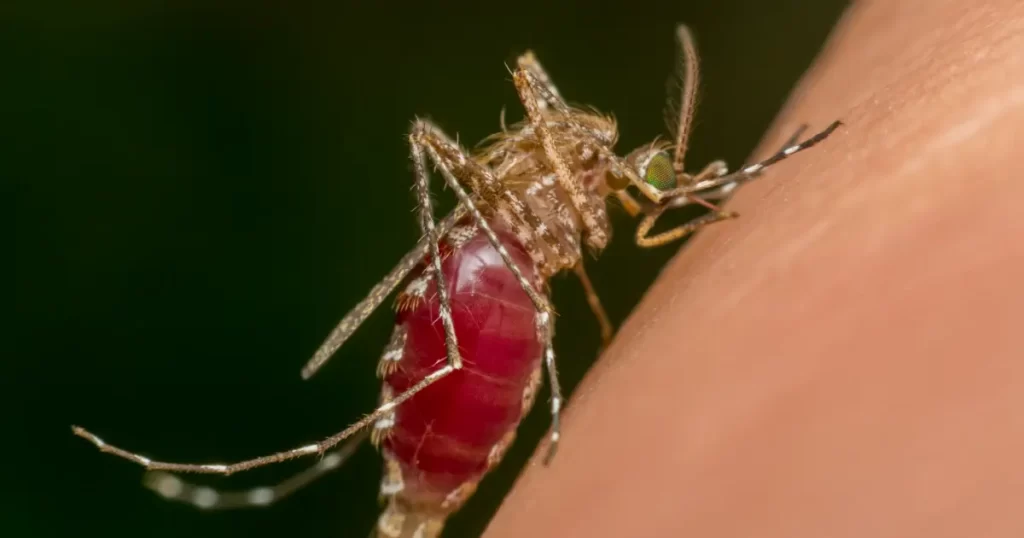
Animal disaster preparedness is not only about protecting animals. It is directly linked to human health. When animals are left behind, injured, or exposed to contaminated environments, they may become carriers of harmful bacteria and infectious diseases. These risks can spread to humans through direct contact, shared environments, or contaminated water sources.
How can better planning for animals reduce disease risks and improve disaster response outcomes?
Animal Disaster Preparedness and Disease Risks
During disasters, animals often encounter hazardous conditions that increase their vulnerability to infection. Floodwaters may contain bacteria such as Leptospira, Salmonella, and E. coli, all of which can infect both animals and humans [1]. Injured animals may develop untreated wounds, creating opportunities for bacterial growth and transmission.
Stress also plays a critical role. Displaced animals experience weakened immune systems, making them more susceptible to infections. In crowded shelters or uncontrolled environments, diseases can spread rapidly between animals and potentially to humans handling them.
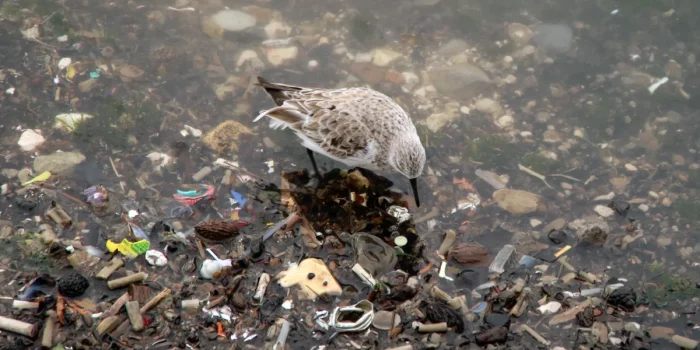
After Hurricane Katrina, abandoned pets and livestock were exposed to polluted water and debris, contributing to increased reports of zoonotic infections among rescue workers and affected populations [2]. These patterns demonstrate how unmanaged animal populations during disasters can amplify health risks.
Disasters Increase Human–Animal Interaction
Natural disasters often force animals into closer proximity with humans. Wildfires, for example, displace wildlife into residential areas, increasing contact between species that would not normally interact. This shift raises the likelihood of pathogen transmission.
Research following major wildfire events has shown that rescued animals frequently carry infections linked to smoke exposure, injuries, and environmental contamination [3]. Similarly, floods and storms may drive rodents and other disease-carrying animals into human settlements, increasing exposure to pathogens.
Without proper planning, these interactions become difficult to manage, creating conditions for outbreaks and environmental contamination.
Lessons from Global Disaster Events
Past disasters provide clear evidence of the consequences of neglecting animals in emergency response. The 2011 earthquake and tsunami in Japan left many livestock animals abandoned, raising concerns about environmental contamination and long-term disease risks [4]. In Southeast Asia, recurring floods have demonstrated how displaced animals contribute to waterborne disease outbreaks affecting both rural and urban populations.
These examples highlight a critical point: animal health is closely tied to environmental safety and human well-being. When animals are not included in preparedness strategies, the impacts extend far beyond animal welfare.
Strengthening Preparedness for Safer Outcomes
Effective animal disaster preparedness requires proactive planning at multiple levels. Pet owners should develop emergency plans that include evacuation routes, transport arrangements, and emergency kits with food, water, medications, and identification.
At the community level, integrating animal response into disaster management is essential. This includes designated shelters for animals, trained veterinary response teams, and clear evacuation policies. Following Hurricane Katrina, the U.S. introduced the PETS Act to ensure animals are included in emergency planning and evacuation procedures [5].
Preventive measures such as vaccination, routine veterinary care, and disease monitoring further reduce risks before disasters occur. During emergencies, rapid response and proper sanitation can limit the spread of infections and protect both animals and humans.
A One Health Approach
Animal disaster preparedness reflects a broader One Health perspective, where human, animal, and environmental health are interconnected. Disasters disrupt all three systems simultaneously, increasing the potential for disease transmission and environmental degradation.
By protecting animals during emergencies, communities reduce exposure to pathogens, maintain environmental stability, and support overall public health. Preparedness strategies that include animals strengthen resilience across all sectors.
Conclusion
National Animal Disaster Preparedness Day serves as a reminder that animal disaster preparedness is essential for protecting both lives and health. Disasters create conditions where disease risks can escalate quickly, especially when animals are left without care or planning.
Including animals in emergency preparedness reduces the spread of infectious diseases, limits environmental contamination, and improves overall disaster response. Protecting animals ultimately protects people, reinforcing the need for coordinated and proactive planning.
References
- Becker, D.J., Streicker, D.G. and Altizer, S., 2015. Linking anthropogenic resources to wildlife–pathogen dynamics: a review and meta-analysis. Ecology Letters, 18(5), pp.483–495. Available at:
https://doi.org/10.1111/ele.12428 - Rabinowitz, P.M., Pappaioanou, M., Bardosh, K.L. and Conti, L., 2018. A planetary vision for one health. BMJ Global Health, 3(5), e001137. Available at:
https://doi.org/10.1136/bmjgh-2018-001137 - Morand, S. and Lajaunie, C., 2021. Outbreaks of vector-borne and zoonotic diseases are associated with changes in forest cover and oil palm expansion at global scale. Frontiers in Veterinary Science, 8, p.661063. Available at:
https://doi.org/10.3389/fvets.2021.661063 - Abrahms, B., Seidel, D.P., Dougherty, E. and Hazen, E.L., 2021. Human disturbance causes widespread disruption of animal movement. Nature Ecology & Evolution, 5, pp.513–519. Available at:
https://doi.org/10.1038/s41559-020-01380-1 - Gibb, R., Redding, D.W., Chin, K.Q., Donnelly, C.A., Blackburn, T.M., Newbold, T. and Jones, K.E., 2020. Zoonotic host diversity increases in human-dominated ecosystems. Nature, 584, pp.398–402. Available at:
https://doi.org/10.1038/s41586-020-2562-8