Introduction
Each year, the International Day for Biological Diversity highlights the importance of protecting the variety of life on Earth. Biodiversity includes all living organisms—plants, animals, and microorganisms—and the ecosystems they form. These systems are essential for maintaining environmental balance and supporting life.
The connection between biodiversity and human health is direct and measurable. Ecosystems regulate climate, filter water, support food systems, and influence disease patterns. When biodiversity declines, these systems become less stable, increasing risks to both environmental and human health.
Global reports show that biodiversity loss is accelerating, with significant impacts on ecosystems and the services they provide [1]. Understanding this relationship is essential for maintaining long-term health and environmental stability.
How does biodiversity loss directly affect human health and the stability of the systems we depend on every day?
Biodiversity and human health and ecosystem stability
Healthy ecosystems provide essential services that sustain life. Forests absorb carbon dioxide and regulate climate. Wetlands filter pollutants and reduce flood risk. Oceans stabilize temperatures and support food chains.
When biodiversity declines, ecosystems lose resilience. Research shows that reduced biodiversity weakens ecosystem productivity and increases vulnerability to environmental stress [2]. This makes it more difficult for ecosystems to recover from extreme events such as droughts, floods, and storms.
Loss of biodiversity also disrupts natural cycles, including water regulation and soil health. These changes can affect agriculture, water availability, and overall environmental quality.
Disease dynamics and biodiversity loss
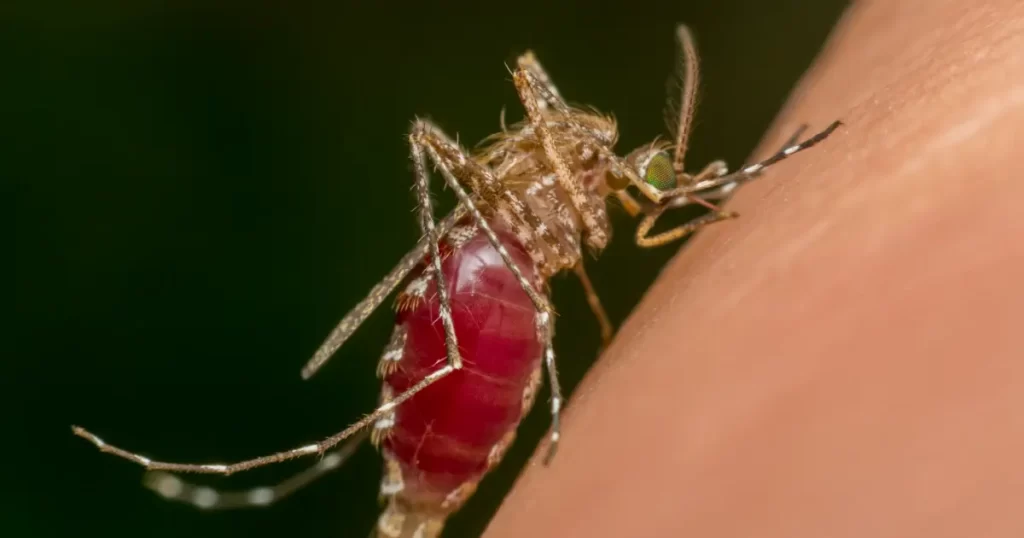
Biodiversity plays a key role in regulating disease transmission. Many infectious diseases originate from interactions between humans, animals, and the environment. When ecosystems are disrupted, these interactions change, increasing the likelihood of disease spread.
Studies show that more than 60% of emerging infectious diseases are zoonotic, meaning they originate in animals [3]. Habitat loss and environmental change increase contact between wildlife and human populations, raising the risk of pathogen spillover.
Research also indicates that ecosystems with higher biodiversity can reduce the spread of certain diseases by limiting the dominance of species that act as efficient disease carriers [4]. This natural regulation helps protect human populations.
Food systems and resource security
Biodiversity supports global food systems by maintaining soil fertility, pollination, and genetic diversity. Crops depend on pollinators such as bees and butterflies, while diverse ecosystems support fisheries and livestock production.
Loss of biodiversity threatens these systems. Reduced pollinator populations can decrease crop yields, while degraded marine ecosystems affect fish stocks. These changes can lead to food shortages and increased vulnerability in communities that depend on natural resources.
Maintaining biodiversity is therefore essential for ensuring stable and sustainable food production.
Climate Change and Biodiversity Protection
Climate change and biodiversity are closely linked. Rising temperatures, changing precipitation patterns, and extreme weather events are altering ecosystems and species distributions. Many species are unable to adapt quickly enough, leading to population declines.
At the same time, biodiversity helps mitigate climate change. Forests, wetlands, and oceans act as carbon sinks, absorbing large amounts of carbon dioxide from the atmosphere [1]. Protecting these ecosystems supports climate stability and reduces the severity of environmental changes.
The relationship between biodiversity and human health highlights how environmental protection contributes to broader system stability.
A One Health Perspective
Biodiversity and human health are interconnected through complex relationships between ecosystems, animals, and human populations. Changes in one system can influence outcomes in another, affecting disease patterns, food security, and environmental conditions. Protecting biodiversity supports balanced ecosystems, reduces health risks, and strengthens resilience across communities. This integrated perspective highlights the importance of maintaining healthy ecosystems for long-term population well-being.
Conclusion
The International Day for Biological Diversity reminds us that biodiversity loss is not only an environmental issue—it is a health challenge with global consequences. The connection between biodiversity and human health is evident in ecosystem stability, disease regulation, and resource availability.
Protecting biodiversity supports healthier environments, reduces disease risks, and strengthens food systems. As pressures on ecosystems continue to grow, maintaining biodiversity becomes essential for sustaining life on Earth.
Biodiversity is the foundation of environmental and human health, making its protection critical for present and future generations.
References
- IPBES, 2019. Global assessment report on biodiversity and ecosystem services. Available at:
https://ipbes.net/global-assessment - Cardinale, B.J. et al., 2012. Biodiversity loss and its impact on humanity. Nature, 486, pp.59–67. Available at:
https://doi.org/10.1038/nature11148 - Jones, K.E. et al., 2008. Global trends in emerging infectious diseases. Nature, 451, pp.990–993. Available at:
https://doi.org/10.1038/nature06536 - Gibb, R. et al., 2020. Zoonotic host diversity increases in human-dominated ecosystems. Nature, 584, pp.398–402. Available at:
https://doi.org/10.1038/s41586-020-2562-8