
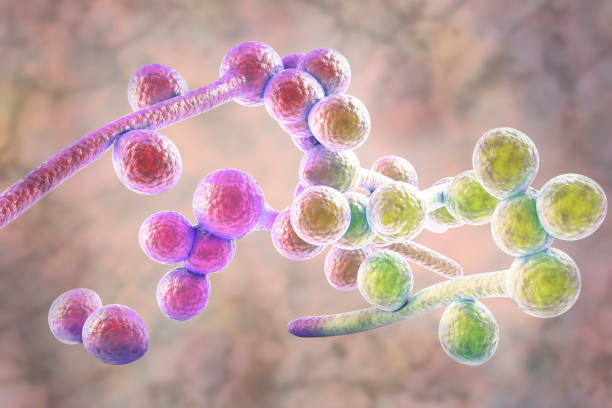
A population-based study in Canada indicates fungal bloodstream infections are an uncommon but deadly complication in solid-organ transplant patients, researchers reported last month in JAMA Network Open.
Using administrative health care databases from Ontario, researchers from Ajmera Transplant Centre, the University of Toronto, and Public Health Ontario assessed the incidence of Candida bloodstream infection (candidemia) in patients who received a solid-organ transplant from January 2011 through September 2022. While invasive candidiasis is the most common invasive fungal infection in solid-organ transplant patients, and candidemia is the most frequent manifestation of invasive candidiasis, few studies have specifically examined candidemia incidence in this population.
Of the 10,249 transplant recipients (median age, 57 years; 63.9% male) included in the study, most (59.8%) were kidney transplant recipients. Overall, candidemia incidence was infrequent, occurring in 135 patients, with Candida albicans, which was the most frequently reported species (41.5%). The cumulative probability of candidemia among all transplant recipients was 0.87% at one year, 1.33% at five years, and 1.67% at 10 years.
Lung transplant recipients had the highest candidemia incidence, with a 10-year cumulative probability of 4.17%, a finding the study authors suggest could be linked to prolonged stays in the intensive care unit. Kidney transplant recipients had the lowest incidence (0.81%).
Almost half die within 3 months
Thirty-day mortality in patients with candidemia was 39.3%, and 90-day mortality was 47.4%. After adjusting for baseline variables and comorbidities, candidemia was associated with a nearly sevenfold increase in mortality risk (adjusted hazard ratio [AHR], 6.85) compared with patients without candidemia. The risk was even higher when Candida isolates were resistant to fluconazole (AHR, 11.86).
“Further research is needed to better identify vulnerable subpopulations and to develop targeted strategies for early intervention,” the study authors concluded.
State public health labs step up as CDC pauses testing for various pathogens, including rabies, mpox