According to an update yesterday from the Centers for Disease Control and Prevention (CDC), there are now nine cases of listeriosis linked to an ongoing outbreak involving soft ricotta cheese.
So far eight people have been hospitalized and one person from Maryland has died from his or her infection. Three people each have been sickened in New York, Maryland, and Virginia. Of the eight people interviewed, six reported eating any soft cheese prior to symptom onset.
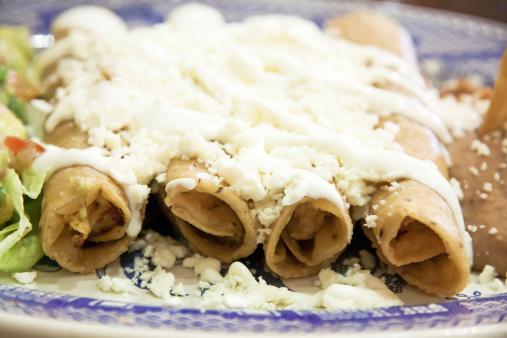
Clover Hill Dairy, a Maryland company, recalled its requeson or soft ricotta cheese that was sold at its retail market and through other distributors. The cheese was distributed from May 4 to May 30 at various retailers in North Carolina, New York, Virginia, Maryland, New Jersey, and Washington, DC. Two of the patients reported eating cheese from Clover Hill.
New York company recalls its cheese
Nelson & Isa Lacteos, Bay Shore, New York, also voluntarily recalled 1-pound packages of requeson cheese sold in clear plastic clam-shell containers to retail locations in New York from May 15 to May 28, 2026, the Food and Drug Administration (FDA) said in a new update. “The recalled cheese was likely repacked at the retail store locations, and labeling or coding of recalled cheese may vary based on location of purchase,” the FDA warned.
“This investigation is ongoing. Additional products may be impacted, and further testing by FDA and state partners is underway,” the agency said.
Bot the FDA and CDC recommend not eating, selling, or serving recalled soft ricotta or requeson cheese. And those at high risk from severe Listeria illness, a category that includes pregnant women, people 65 and older, and those who have weakened immune systems, should avoid all soft cheeses.
- Funding for global health and development programs in 29 low- and middle-income countries could fall by more than $4 billion by 2029 under planned cuts by the US government and reduced contributions from the Global Fund to Fight AIDS, Tuberculosis and Malaria, according to a new analysis from KFF. Under the Trump administration, US funding for the 29 countries from 2027 to 2029 will decline by $3.3 billion from the previous three-year period. Reduced funding from The Global Fund, which has received smaller contributions from the US government and other donors, will push the drop to $4.3 billion. “Together, the U.S. and Global Fund reductions serve as a ‘one-two punch’ to countries, who will be faced with significantly fewer resources in the coming years,” KFF said.
- Brazil’s Ministry of Health announced this week that it is temporarily discontinuing a pilot dengue vaccination campaign that uses a vaccine developed by Brazil’s Butantan Institute, according to Outbreak News Today. The move comes after two deaths and more than 40 patients experiencing intense abdominal pain, persistent vomiting, and bleeding. As of May 30, more than 500,000 doses of the Butantan-DV vaccine have been administered to healthcare workers and people aged 15 to 49 in three cities (Botucatu, Maranguape, and Nova Lima) and the Araguaina region since January. The deaths and cases are being investigated by the Ministry of Health, the Brazilian Health Regulatory Agency (ANVISA), and the Butantan Institute. ANVISA approved the vaccine in November 2025 for use in people aged 12 to 59.
- Three more US passengers from the Dutch cruise ship that experienced an outbreak of the Andes hantavirus have returned home after spending four weeks at the National Quarantine Unit in Nebraska, USA Today reports. Eight of the 18 US passengers from the MV Hondius are now spending the remainder of their quarantine at home, while 10 are still under observation in Omaha. The Centers for Disease Control and Prevention is coordinating with health officials in the impacted states to ensure that patients self-monitor.