
Eleven new pediatric flu deaths were reported this week, according to the latest update on US flu activity from the Centers for Disease Control and Prevention (CDC).
A total of 90 children have died from flu-related complications this season, the CDC said in its weekly FluView report. Approximately 85% of those deaths were in children who were not fully vaccinated against flu.
Overall, seasonal flu activity remains elevated nationwide, with influenza A activity declining and influenza B activity, which typically picks up later in the season, varying by region. The percentage of outpatient visits for influenza-like illness dropped to 3.9% from 4.4% the previous week, while clinical lab positivity dropped from 17.9% to 15.8%.
Although confirmed weekly hospitalizations for flu continue to drop, falling from 13,785 admissions last week to 10,763, the cumulative hospitalization total for the season is the third highest since the 2010-11 season. Flu-related deaths made up 0.7% of all US deaths, down from 0.8% the previous week
In a season that has been classified to date as moderate severity, the CDC estimates there have been at least 26 million illnesses, 340,000 hospitalizations, and 21,000 deaths.

COVID is declining, but RSV is picking up
In another respiratory virus update today, the CDC said the amount of acute respiratory illness causing people to seek health care is low overall.
COVID-19 activity is decreasing nationally but remains elevated in some parts of the country, with high wastewater viral activity seen in the Upper Midwest and parts of the Northeast. Emergency department (ED) visits and hospitalizations for COVID are low and declining.
But respiratory syncytial virus (RSV) activity—which started late this year—is rising, and higher levels may continue into April, the CDC said. ED visits are highest among infants and children under 4. Severity is not higher compared with recent seasons.
The CDC also noted that respiratory infections caused by Mycoplasma pneumoniae remain elevated in some areas of the country, as indicated by ED visits and positive tests.
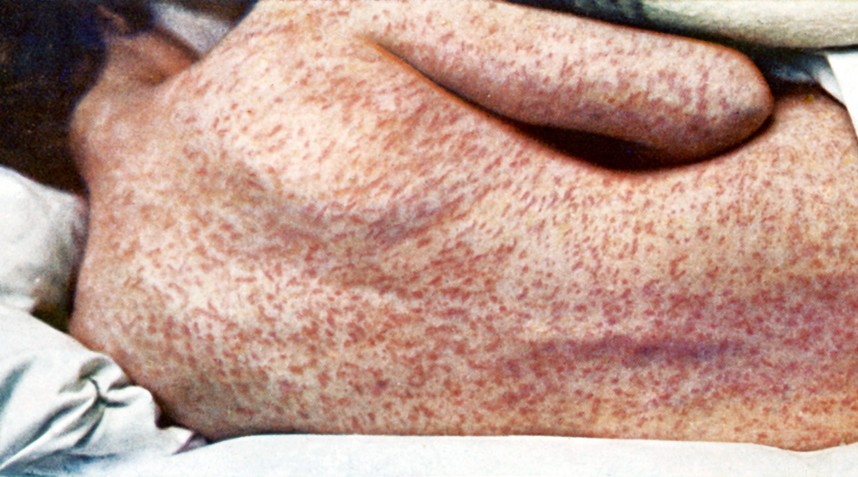
The US measles count climbed by 145 today, reaching 1,281 cases, the Centers for Disease Control and Prevention (CDC) said today in its weekly update, with cases in Texas now approaching 100.
For all of last year US officials confirmed 2,258 infections, a number the nation appears on pace to surpass this year. The Pan American Health Organization recently announced it has pushed back its decision on whether the country loses its measles elimination status—which it gained in 2000—to November, after the midterm elections.
The CDC said all but four of the 2026 cases are from 30 states and New York City, with the rest travel-related. With two new outbreaks confirmed this week, the nation now has 12 outbreaks this year.
Of the 1,281 cases, 23% are in children younger than 5 years, and 77% involve children and young adults up to 19 years old. Ninety-three percent of case-patients are unvaccinated or have an unknown vaccine status.
Texas, Utah hit hard
Cases in Texas have quietly reached 93, according to the CDC’s measles map. After the largest outbreak in the country last year, the Texas Department of State Health Services doesn’t appear to be recording numbers this year, only mentioning on its website an outbreak in its South Plains region. Media reports have focused on a 14-case outbreak at an immigrant detention center in El Paso that was recently confirmed by Immigration and Customs Enforcement (ICE), with 112 people quarantined.
In an outbreak that began last year, cases in Utah grew from 319 to 358 this week, a 39-case increase, the Utah Department of Health & Human Services said. The agency confirmed 78 infections in the past three weeks.
Yesterday, officials in Washington state confirmed 26 cases so far in 2026, more than double the 12 cases in 2025.
South Carolina, meanwhile, today reported only one new case in the past few days and now has 991 in an outbreak that started in October. Arizona’s 2026 total also grew by one this week, to 56.
Florida’s total increased by 10 to 124, according to media reports and CNN’s tracker, while the CDC map lists only 109, an increase of two cases.
- Two countries reported new polio cases this week, according to the latest update from the Global Polio Eradication Initiative. Nigeria reported four cases of circulating vaccine-derived poliovirus type 2 (cVDPV2) in Keffi and Zamfara provinces, with paralysis onset from January 1 to February 2, bringing the country’s total this year to seven cases. Chad reported one cVDPV2 case in Logone Oriental, with paralysis onset on December 7, 2025. Chad has reported 31 cVDPV2 cases for 2025. GPEI also noted that while an escalating conflict between Afghanistan and Pakistan has not directly limited polio eradication programs in those countries, the situation is being closely monitored.
- Sudan’s Ministry of Health has declared the nation’s 18-month cholera outbreak over, according to media reports. The country recorded more than 100,000 cases of the acute diarrheal infection from July 2024 through December 2025, with an estimated 2,408 deaths, but no cholera cases have been reported since January 14. “Based on scientific data and the International Health Regulations, Sudan is free of the cholera epidemic,” Sudanese health official Montasir Osman said. The outbreak in Sudan, one of several African countries that have seen cholera surges in recent years, has been exacerbated by conflict, displacement, the breakdown of water supply systems, and a lack of medical supplies.
- Trials for vaccines to protect poultry against highly pathogenic avian influenza (HPAI) have begun in the United Kingdom, UK health officials announced yesterday. The trials are focused on the potential for HPAI vaccines to protect turkeys, which are highly vulnerable to infection, and will be supervised by the UK Veterinary Medicines Directorate using UK and European Union-authorized vaccines. HPAI outbreaks in recent years have cost the UK government and industry up to £174 million ($233 million USD). “This targeted trial is going to be really key for our understanding of how HPAI vaccines can be effectively used for disease control in the UK,” UK Chief Veterinary Officer Christine Middlemiss said.