The Coalition for Epidemic Preparedness Innovations (CEPI) announced earlier today that the University of Oxford has entered a licensing arrangement with the Serum Institute of India (SII) to create the largest-ever reserve of an investigational Rift Valley fever vaccine ready for testing.
Under the agreement, CEPI said, SII will manufacture up to 100,000 doses of Oxford’s investigational vaccine candidate, ChAdOx1 RVF. The first 10,000 doses will be used in a potential upcoming clinical trial assessing the safety and immunogenicity of the vaccine candidate in outbreak-affected areas.
COVID-19 powerfully showed us that we need to get ahead of fast-spreading viruses before they get ahead of us.
“COVID-19 powerfully showed us that we need to get ahead of fast-spreading viruses before they get ahead of us. This collaboration embodies that principle. Two of the world’s most distinguished vaccine institutes have worked together to mobilise and manufacture thousands of doses of a Rift Valley fever’s vaccine candidate in a matter of weeks,” said CEPI CEO Richard Hatchett, MD.
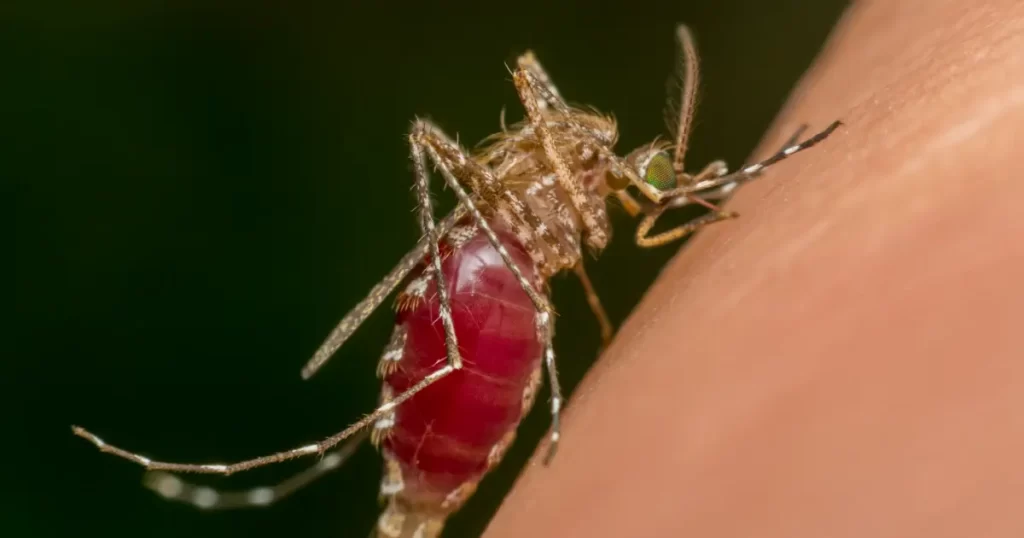
Rift Valley fever is a mosquito-borne disease that primarily affects livestock. Humans can contract the virus, however, and infections can be fatal, with some cases leading to brain inflammation and severe bleeding.
Senegal and Mauritania have seen an ongoing outbreak of the virus, with 610 cases and 42 deaths as of December 2025.

Health and Human Services (HHS) Secretary Robert F. Kennedy Jr. today appointed two obstetricians-gynecologists to the Advisory Committee on Immunization Practices (ACIP). Both appointees have a history of questioning vaccine safety in pregnancy, and one has erroneously claimed COVID-19 vaccines caused miscarriages.
Adam Urato, MD, of UMass Memorial Health, is the first listed appointee to ACIP. In October of 2024, he wrote on X, “CDC & ACOG recommend 4 vaccines in pregnancy: Flu, Tdap, RSV, & COVID. My patients often ask: ‘How do we know that all these vaccines won’t have adverse effects on my baby & me?’ The answer is: ‘We don’t.’ Women’s vax concerns should be acknowledged & their choices supported.”
All four of the vaccines Urato listed have been proven safe for use in pregnant women.
Biss claims COVID-19 vaccines increase miscarriage risk
The other appointee is Kimberly Biss, MD, a clinician at Women’s Care in St. Petersburg, Florida. In multiple interviews, Biss said her practice saw miscarriage rates go up by 100% after the introduction of prenatal COVID-19 vaccination. Several studies have debunked the myth that COVID-19 vaccines are linked to miscarriages. Biss also said children should not be vaccinated against COVID-19 because the risk of death from infection is too low.
Urato and Biss are the latest additions to the ACIP by Kennedy, who began overhauling the group in June 2025, when he fired the 17 members who had been appointed by the Biden administration to make vaccine recommendations. Many of the ACIP members who’ve since been appointed by Kennedy have expressed anti-vaccine views, and the newly reconstituted group has reversed several long-standing vaccine recommendations.
President Trump asked us to bring the childhood immunization schedule in line with gold-standard science.
In a press release, Deputy Secretary of HHS and Acting Director of the Centers for Disease Control and Prevention Jim O’Neill said, “President Trump asked us to bring the childhood immunization schedule in line with gold-standard science. ACIP is doing just that. Our new ACIP members have the clinical expertise to make decisions driven by evidence, not dogma.”

The Global Antibiotic Research & Development Partnership (GARDP) and Swiss biopharmaceutical company Debiopharm today announced a collaboration on a novel antibiotic targeting gonorrhea.
Under the collaboration and license agreement, GARDP and Debiopharm will jointly develop Debio1453, a first-in-class antibiotic candidate that targets an enzyme that’s essential for the growth of Neisseria gonorrhoeae and has shown potent clinical activity against the bacterium in preclinical studies, including multidrug-resistant strains.
In a news release, Debiopharm said it will be in charge of completing the phase 1 clinical trial for Debio1453, and GARDP will lead other clinical and non-clinical development activities. GARDP will receive rights to manufacture and commercialize the drug in more than 160 countries.
“The confirmation of this partnership is a powerful indicator of Debio1453’s potential to replenish a critically depleted antibacterial pipeline, addressing a severe therapeutic gap,” said Morgane Vanbiervliet, PhD, director of global development and licensing for Debiopharm. “For those struggling with multidrug-resistant gonorrhoea, this agreement signals a decisive step toward restoring effective treatment options and ensuring long-term antibiotic sustainability.”
More antibiotics for gonorrhea needed
The collaboration comes on the heels of the US Food and Drug Administration’s approval of two new antibiotics for gonorrhea, zoliflodacin and gepotidacin—the first new antibiotics approved for gonorrhea in decades. Zoliflodacin was jointly developed by GARDP and Innoviva Specialty Therapeutics.
The approvals may prove critical, as N gonorrhoeae, which has developed resistance to all antibiotics used to treat it, is growing increasingly resistant to ceftriaxone, the last remaining recommended treatment. GARDP and Debiopharm say the new partnership will help ensure that the estimated 82 million gonorrhea cases a year globally have effective treatment options.
“It is great to see a Swiss for-profit and a Swiss non-profit working together to develop an innovative new solution to address gonorrhoea and explore opportunities in other areas,” said GARDP executive director Manica Balasegaram, MRCP, MSc.

Humphreys County, Tennessee, is now positive for chronic wasting disease (CWD), the Tennessee Wildlife Resources Agency (TWRA) disclosed in a press release yesterday.
The hunter-harvested deer was the first in the county to test positive for the fatal neurodegenerative disease. Humphreys County is in the northwest quadrant of Tennessee, which just wrapped up its 2025-26 deer season over the weekend. The TWRA submitted roughly 11,000 samples for CWD testing during the season.
“Hunter’s participation in CWD testing has been critical for the continued surveillance and monitoring of CWD throughout the state,” the release said. “Hunters were able to access CWD testing through participating taxidermists and meat processors or by using drop-off freezers.”
The Tennessee Fish and Wildlife Commission will meet in March to finalize any deer-management changes prompted by the discovery, the release said.
CWD found in 36 US states
Caused by infectious misfolded proteins called prions, CWD affects cervids such as deer, elk, and moose. Since it was first documented in 1967 in a captive mule deer at a Colorado research facility, CWD has spread to at least 36 states, five Canadian provinces, South Korea, Finland, Norway, and Sweden.
Hunter’s participation in CWD testing has been critical for the continued surveillance and monitoring of CWD throughout the state.
There is no vaccine or treatment for CWD. While no human infections have been documented, health officials warn against eating the meat of sick or infected cervids and urge caution when handling carcasses.
In utero COVID exposure linked to brain changes, developmental delays, anxiety, and depression