

The US Department of Agriculture (USDA) Animal and Plant Health Inspection Service (APHIS) this week noted several commercial poultry outbreaks of avian flu, including an event in Kent County, Delaware, involving 147,900 birds that were part of a commercial broiler operation.
Walker County, Georgia had the second-largest detection this week, affecting 71,300 birds at a commercial broiler breeder facility.
Also recorded was an outbreak among 9,000 commercial turkey breeder hens in Meeker County, Minnesota. Smaller detections were noted in Colorado, Kansas, and Oregon.
In the past 40 days, APHIS reported 70 flocks with confirmed highly pathogenic avian influenza (HPAI), including 17 commercial flocks and 53 backyard flocks. A total of 1.17 million birds have been affected. Since the outbreak began in February 2022, more than 185 million birds and 2,022 flocks have been affected, 917 of which have been commercial poultry flocks.
Dozens of detections in ducks across the country
In wild birds, APHIS this week recorded 80 detections from across the country, suggesting HPAI is widespread among waterfowl, as more than 60 of the detections were in wild and hunter-harvested mallards.
Dozens of ducks in York County, Maine, were found to have HPAI, along with geese in Douglas County, Nebraska, and a bald eagle in Hernando, Florida.
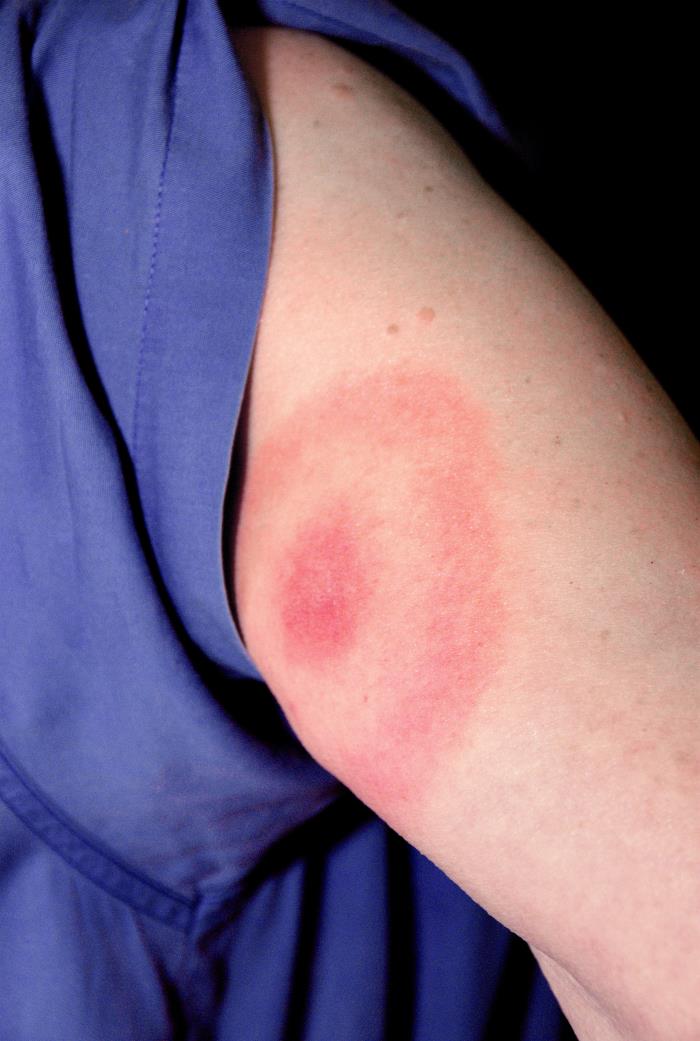
Lyme disease (LD) carries a substantial financial burden for both patients and the health care system, suggests a new retrospective cohort study, with costs driven largely by cases that progress beyond early-stage infection.
The study, published yesterday in JAMA Network Open, analyzed the electronic health records of more than 70,000 people diagnosed as having LD from 2016 to 2022. They were compared with more than 210,000 patients in the control group who did not have LD.
Researchers compared costs for patients with early-stage disease with those who developed disseminated disease, which is when the disease progresses beyond the initial stages and often involves neurologic, cardiac, or joint complications.
Cost per episode $6,800 for later-stage disease
The direct health care costs of LD were substantial, note the researchers. Mean direct medical costs per each LD episode were $2,227, but that number rose to $6,833 for patients with disseminated disease, compared with $695 for those with localized, early-stage infections. While only 22% of LD patients have disseminated disease, they accounted for nearly 70% of total Lyme-specific health care costs.
During the six-month follow-up, mean total all-cause health care costs for LD patients were nearly $4,100 more than for patients in the matched control group. Out-of-pocket costs also increased after diagnosis. Mean patient-incurred costs associated with LD ranged from $188 to $399, with higher burdens seen among those with disseminated illness.
“Extrapolating to the US population in high-incidence states, annual costs of LD could range between $591 million and $1.05 billion (2022 dollars), with $411 to $771 million attributable to disseminated disease,” write the researchers, concluding that effective prevention strategies could help reduce both patient and health care–level costs associated with LD.

The Centers for Disease Control and Prevention (CDC) confirmed a Salmonella outbreak linked to a powdered greens supplement. So far at least 45 people in 21 states have been sickened. No deaths have been reported, but 12 people have been hospitalized.
The CDC said people involved in the outbreak reported eating Live it Up Super Greens supplement powder in the weeks prior to illness onset. Today Live it Up, based in New York City, informed the Food and Drug Administration (FDA) that it has initiated a voluntary recall of all its Super Greens supplement products, which include Original and Wild Berry Flavored pouches and packs.
Do not eat any recalled Live it Up Super Greens supplement powders. Throw them away or return them to where you bought them.
“Do not eat any recalled Live it Up Super Greens supplement powders. Throw them away or return them to where you bought them,” the CDC said. “Wash items and surfaces that may have touched the recalled super greens supplement powders using hot soapy water or a dishwasher.”
Consumers may have product at home
The powdered supplement is sold nationwide, but so far only certain batches of the supplement have been tied to the outbreak, including lots of the original and wild berry flavor. Expiration dates for the powder range from August 2026 to January 2028, so many consumers may still have the product at home.
Illnesses started on dates ranging from August 22, 2025, to December 30, 2025, the FDA said. Wisconsin has the most sick people, with 11, followed by Kentucky and Illinois, which have four cases each. Minnesota and Ohio each have three cases.
Of the 20 people interviewed during outbreak investigations, 16 (80%) reported consuming Live it Up Super Greens supplement powders.

Likely due to staffing shortages, US nursing-home capacity has declined—by 15% or more in some cases—since the COVID-19 pandemic began, potentially narrowing access to long-term care and complicating hospital releases, a team led by University of Rochester, New York, researchers writes in JAMA Internal Medicine.
The team used the 2018-2024 Centers for Medicare & Medicaid Services (CMS) Payroll-Based Journal to measure changes in skilled nursing facility (SNF) capacity since 2020.
Reductions of 15% or more at a quarter of facilities
The number of licensed SNF beds fell 2.5%, and operating capacity dropped 5.0%, from 2019 to 2024. In total, 25% saw capacity reductions of 15.1% or more, with the largest declines tending to occur in rural counties.
SNF capacity losses were larger in counties with more frequent reports of SNF staffing shortages. A decline of 1 percentage point in county SNF capacity was linked to a 0.20-percentage-point rise in reported staff shortages.
Greater loss of SNF capacity was associated with longer hospital stays and increased travel distances to SNFs, suggesting that declines in operating capacity may be impairing access to care.
Also, hospitals that experienced larger declines in nearby SNF capacity observed larger increases in average length of stay, percentage of hospitalizations lasting 28 days or more, and median distance traveled to admitting SNFs.
“Results of this study suggest that SNF operating capacity declined following the pandemic, and these declines were larger than the observed declines in licensed SNF bed counts, potentially because of staffing shortages,” the study authors wrote. “Greater loss of SNF capacity was associated with longer hospital stays and increased travel distances to SNFs, suggesting that declines in operating capacity may be impairing access to care.”
In an editor’s note, journal Deputy Editor Mitchell Katz, MD, and his fellow editors noted that if patients can’t be promptly released from the hospital, fewer beds are available for new admissions, resulting in long emergency department stays.
“For example, spending the night in the emergency department was associated with higher in-hospital mortality and higher risk of adverse events among persons aged 75 years and older,” they wrote. “If patients are discharged, they often cannot receive the level of medical treatment or rehabilitation needed for their recovery.”