Introduction
Modern life is increasingly defined by constant connection. Screens remain active throughout the day, data flows continuously across networks, and digital services operate without pause. From smartphones and laptops to cloud platforms and global data centres, digital infrastructure has become a permanent feature of everyday life.
Behind this convenience lies a growing and often overlooked challenge: digital energy demand. Always-on connectivity depends on vast server networks, continuous cooling systems, and uninterrupted power supply. As digital activity expands, pressure builds across energy systems that also support health services, environmental stability, and critical infrastructure.
If digital systems never power down, what does that mean for the systems that power them?
Screens and the Illusion of Low Impact
Personal digital devices are often perceived as low-energy tools. A phone charger or laptop screen consumes little electricity in isolation. However, constant use across billions of users creates cumulative demand that is far from negligible.
Streaming, cloud storage, video conferencing, and social platforms all trigger processing and data transfer in remote facilities. Each interaction activates servers that must operate continuously. Research shows that global information and communication technologies already account for a substantial share of electricity use, with growth driven largely by data traffic rather than improvements in device efficiency alone [1].
This hidden energy footprint challenges the assumption that digitalisation automatically leads to lower resource use.
Servers, Cooling, and Continuous Load
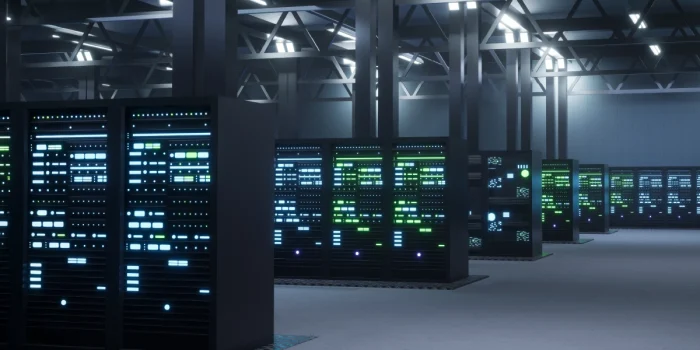
Data centres form the backbone of digital systems. They host cloud services, health records, financial platforms, and communication networks. To function reliably, these facilities require uninterrupted electricity and precise thermal control.
Cooling systems are among the most energy-intensive components of data centre operations. Servers generate heat continuously, and even minor temperature deviations can affect performance or cause equipment damage. Scientific assessments indicate that cooling alone can account for a large fraction of total data centre energy use, particularly in warmer climates [2].
Unlike household appliances, digital infrastructure creates a constant baseline load. This reduces flexibility within energy systems and increases vulnerability during periods of peak demand or environmental stress.
Digital Energy Demand and Health Systems
Digital energy demand has direct implications for healthcare. Hospitals and public health services increasingly depend on digital platforms for diagnostics, patient records, telemedicine, and monitoring systems. These tools must remain operational at all times, especially during emergencies.
Rising digital demand increases competition for energy resources, particularly during heatwaves or grid stress events. Evidence on climate-related risk and health-system resilience shows that infrastructure reliability is essential for maintaining safe and continuous care under disruption [3].
At the same time, energy-intensive digital systems contribute indirectly to environmental changes that influence health outcomes. Emissions associated with electricity generation affect air quality and climate conditions, shaping disease patterns and healthcare demand.
A One Health Approach
A One Health approach connects digital infrastructure to wider environmental and health systems. Energy used to power servers and networks contributes to resource extraction, emissions, and environmental change. These factors influence human and animal health through air quality, heat exposure, and ecosystem disruption.
Scientific literature increasingly recognises that digital technologies must be assessed within broader socio-environmental contexts rather than in isolation [4]. Reducing unnecessary digital energy demand supports environmental protection while strengthening the resilience of health-supporting infrastructure.
By viewing digital systems as part of interconnected energy–environment–health relationships, One Health encourages coordinated strategies that balance technological benefits with long-term sustainability.
Rethinking “Always On”
The assumption that digital systems must operate continuously deserves critical examination. Not all processes require real-time availability, and research indicates that efficiency gains are possible through improved server utilisation, adaptive cooling strategies, and demand-aware system design [2].
Advances in data management and infrastructure optimisation offer opportunities to reduce baseline energy load without compromising service quality. These approaches shift responsibility from individual users to system-level design, where the greatest gains can be achieved.
Conclusion
Digital tools have transformed how societies function, but their energy footprint is no longer invisible. Digital energy demand reveals how screens, servers, and constant connectivity place continuous pressure on energy systems that support health, infrastructure, and environmental stability [1].
As systems move toward permanent connectivity, recognising and managing this demand becomes essential. In a world that is always on, sustainability depends not on disconnection, but on conscious balance.
References
- Jones, N. (2018) ‘How to stop data centres from gobbling up the world’s electricity’, Nature, 561(7722), pp. 163–166. Available at: https://doi.org/10.1038/d41586-018-06610-y
- Shehabi, A. et al. (2016) United States data center energy usage report. Berkeley, CA: Lawrence Berkeley National Laboratory. Available at: https://doi.org/10.2172/1372902
- Hess, J.J. et al. (2021) ‘COP26: an opportunity to shape climate-resilient health systems and accelerate climate action’, The Lancet Planetary Health, 5(9). Available at: https://www.thelancet.com/journals/lanplh/article/PIIS2542-5196(21)00289-8/fulltext
- Masanet, E. et al. (2020) ‘Recalibrating global data center energy-use estimates’, Science, 367(6481), pp. 984–986. Available at: https://doi.org/10.1126/science.aba3758