Global cases of congenital rubella syndrome (CRS) have dropped 70% since 2012 as vaccine uptake soared, but they rebounded slightly in 2024, scientists from the US Centers for Disease Control and Prevention (CDC) and their UK partners said in a recent report.
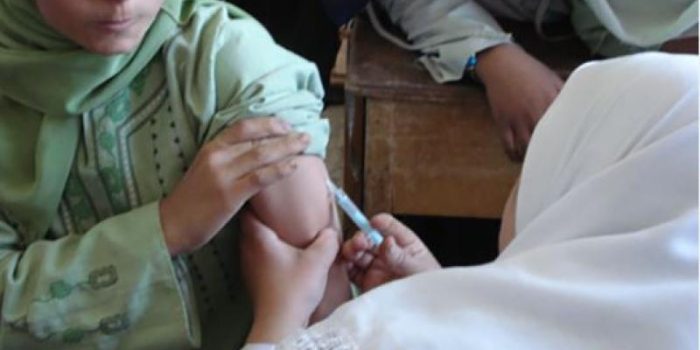
Worldwide elimination is possible if enough people receive a rubella-containing vaccine (RCV) that is 97% effective at protecting against the virus, the CDC said.
Rubella, sometimes called the “German measles,” can cause serious fertility issues. During the last rubella epidemic in the United States, from 1964 to 1965, there were 11,000 miscarriages, 2,100 newborns died, and 20,000 babies were born with congenital rubella syndrome CRS, which can result in eye damage, hearing loss, pulmonary issues, and developmental challenges, including intellectual disabilities.
The United States introduced RCV in 1969, and by 2024 all but 15 countries have done the same, according to the new analysis, published in the Morbidity and Mortality Weekly Report.
The study estimates that global RCV coverage among infants, aged 12 to 23 months, increased from 39% to 73% from 2012 to 2024. During that same period, there was a 70% drop in global cases of CRS.
The report also found that the number of countries that had eliminated rubella increased from 84 to 117 from 2019 to 2024.
Rubella increased where vaccine uptake is low
Despite this progress, the researchers noted an increase in global rubella cases from 2023 to 2024. The report largely attributed this to transmission in Chad and Nigeria, which had not introduced RCV, and in South Africa, during its rollout of RCV, “highlighting vulnerability of areas where vaccine access remains incomplete.”
According to the report, countries that have not introduced RCV are low-income or are afflicted with conflict, which creates “substantial challenges” to establishing routine vaccination services.
So far, no country that has eliminated rubella has seen a return of endemic transmission, including the United States, which declared elimination status in 2004.
However, RCV is still given to US infants, since about 10 cases of rubella are reported annually to the CDC, which says these infections are mostly acquired while someone is traveling or living outside the United States.
In addition, President Donald Trump this week signed an executive order that would separate the rubella vaccine out from the current combined measles, mumps, and rubella vaccine. A single rubella vaccine doesn’t exist in the United States, and splitting the three vaccines could lower overall coverage.