Officials in Guinea-Bissau have stopped a controversial, US government-funded clinical trial examining the side effects of the hepatitis B vaccine, according to media reports.
Foreign Minister Joao Bernardo Vieira told Reuters last week that the trial, which received $1.6 million in funding from the Centers for Disease Control and Prevention (CDC) in December, was halted in response to criticism from researchers and members of the US Congress.
“It’s not going to happen, period,” Vieira said.
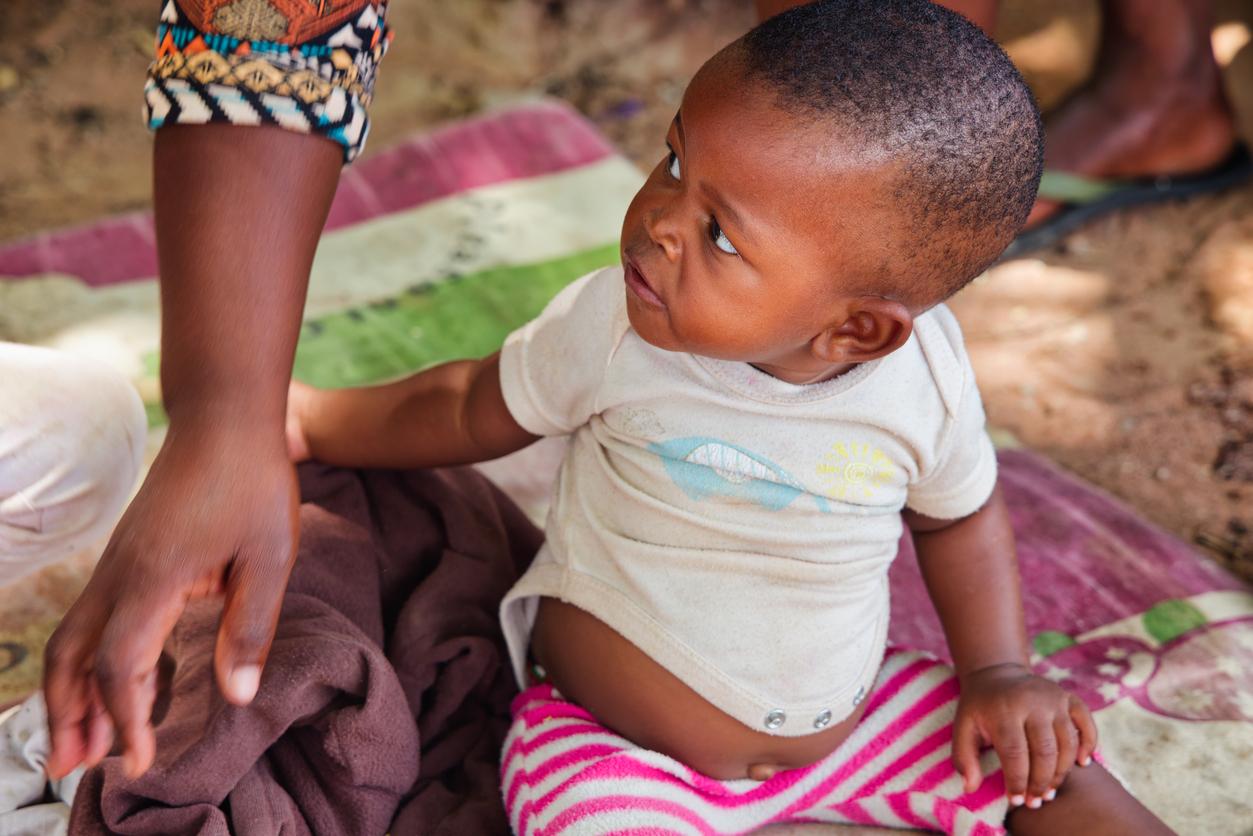
The trial has been widely criticized as unethical, because only half of the 14,000 babies enrolled would have received a birth dose of the hepatitis B vaccine, a practice endorsed by the World Health Organization (WHO) to prevent mother-to-child transmission of the virus. The other half would have received the vaccine at six weeks. The aim of the trial, according to the study protocols, was to investigate “non-specific” effects of the vaccine, including skin and neurodevelopmental conditions.
Nearly 1 in 5 people in Guinea-Bissau have chronic hepatitis B infection. Without vaccination, up to 90% of babies exposed to the virus at birth will contract chronic hepatitis B, and 15% to 25% will die prematurely of liver cancer or liver failure. Guinea-Bissau is planning to introduce the birth dose in 2028.
Critics have also questioned the study’s protocols and why the CDC awarded the grant without the usual competitive process.
Concerns about study’s ‘scientific justification’
In a statement issued February 16, the WHO said withholding the hepatitis B vaccine for six weeks would expose newborns to “serious and potentially irreversible harm.”
“Based on questions raised in publicly available information and consultation with relevant experts, WHO has significant concerns regarding the study’s scientific justification, ethical safeguards, and overall alignment with established principles for research involving human participants,” the organization said.
Frederik Schaltz-Buchholzer, MD, PhD, of the Bandim Health Project—the Danish team conducting the trial—told Reuters he hopes a new trial proposal will be accepted in the future.
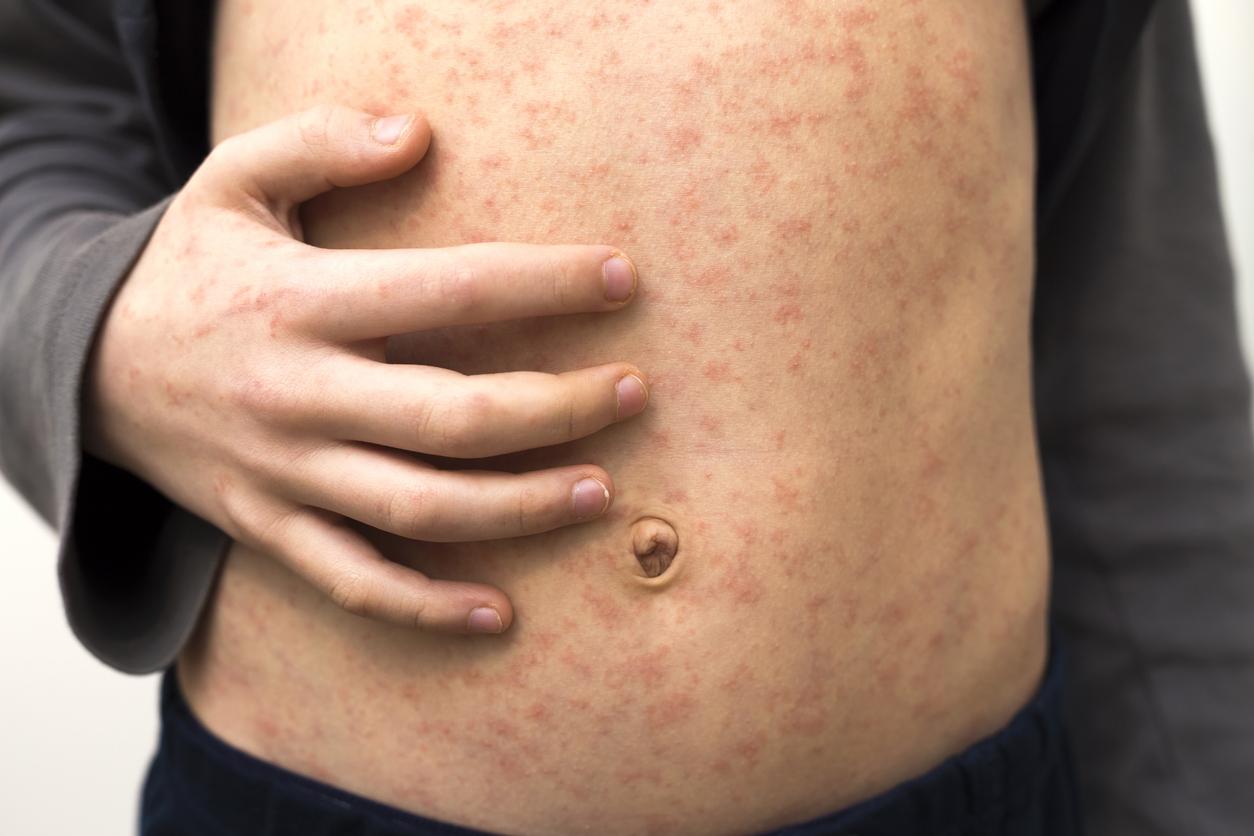
The measles outbreak in South Carolina reached 979 cases today, but its growth seems to be slowing. Only six new cases were reported by the South Carolina Department of Public Health (DPH) in an update today.
This is the first time since January the state has reported fewer than 10 new cases in an update.
Of the 979 cases, 927 are from Spartanburg County, the epicenter of the outbreak, which began in October 2025. Spartanburg County is home to several elementary schools with low vaccination rates. State officials say 913 of the people infected in this outbreak are unvaccinated, 26 are fully vaccinated, and 19 are partially vaccinated. Twenty-one people have an unknown vaccination status.
91 in quarantine
“There are currently 91 people in quarantine and one in isolation,” the DPH said. “Complications are not reportable to DPH, but we are communicating regularly with hospitals about outcomes from measles infections and have learned of 21 hospitalizations, including both adults and children, for complications of the disease since the beginning of the outbreak.”
We are communicating regularly with hospitals about outcomes from measles infections and have learned of 21 hospitalizations.
Reuters reported that 12 members from the CDC Foundation arrived late last week South Carolina to help the state control the outbreak. The foundation is an independent group created by Congress to support the Centers for Disease Control and Prevention through charitable contributions and grants. This is the largest US outbreak of the virus in more than 30 years.
- Last week National Institutes of Health (NIH) Director Jay Bhattacharya MD, PhD, also became the acting director of the Centers for Disease Control and Prevention (CDC), and he sent an email to current staff detailing how and why the agency must restore public trust. While acknowledge the tumultuous year at the CDC, he said the agency must strengthen its internal review processes, “encourage respectful dissent, and create space for debate grounded in evidence. Diverse scientific perspectives make us stronger.”
- According to an internal US State Department email obtained by The Atlantic, the Trump administration will soon end all of the humanitarian funding it is currently providing as part of a “responsible exit” from seven African nations, and redirect funding in nine others. The exit was part of the dismantling of USAID announced in January 2025. According to the email, the programs will expire because “there is no strong nexus between the humanitarian response and U.S. national interests.” The seven countries affected by this decision are Burkina Faso, Cameroon, Malawi, Mali, Niger, Somalia, and Zimbabwe.
- Today the American College of Obstetricians & Gynecologists (ACOG) announced it has formally withdrawn as a liaison organization to CDC’s Advisory Committee on Immunization Practices (ACIP), citing concerns about recent changes to vaccine policy. “The recent reconstitution of the committee; the removal of ACOG experts from ACIP workgroups; and HHS’ [Health and Human Services’] unilateral changes to vaccine recommendations, which bypassed established scientific and clinical processes, represent a fundamental departure from the scientific rigor and impartiality that have been the hallmark of this committee for 60 years,” said Steven J. Fleischman, MD, MBA, president of ACOG, in a statement.