Introduction
Wildlife survival depends not only on species themselves but on the environments that support them. Habitats provide the resources, conditions, and ecological interactions necessary for species to live, reproduce, and maintain population stability. The concept of habitats essential for wildlife highlights how specific ecosystems sustain biodiversity and regulate environmental processes that extend beyond ecological boundaries.
However, these habitats are under increasing pressure from human activity. Land-use change, deforestation, pollution, and climate variability are altering ecosystems at a global scale. As habitats degrade or disappear, wildlife populations decline, and ecological systems become less stable. These changes extend beyond environmental outcomes, influencing food systems, disease dynamics, and climate regulation.
Which habitats remain critical for sustaining wildlife and maintaining ecological balance in a rapidly changing world?
Habitats Essential for Wildlife: Core Ecosystems
Forests remain one of the most vital habitats supporting biodiversity. They provide shelter, food, and breeding environments while regulating climate and carbon cycles. Forest ecosystems act as carbon sinks, absorbing large amounts of carbon dioxide and helping stabilize global temperatures. When forests are degraded, both biodiversity and climate stability are affected simultaneously [1].
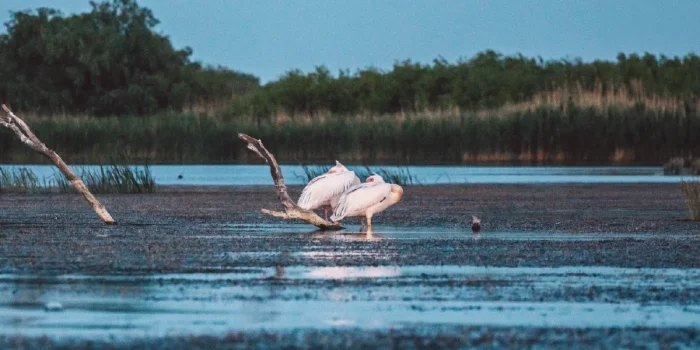
Wetlands are equally critical, functioning as natural filtration systems that improve water quality and regulate hydrological cycles. They support diverse species while reducing flood risk and storing water. Their loss weakens ecosystem resilience and increases vulnerability to environmental hazards.
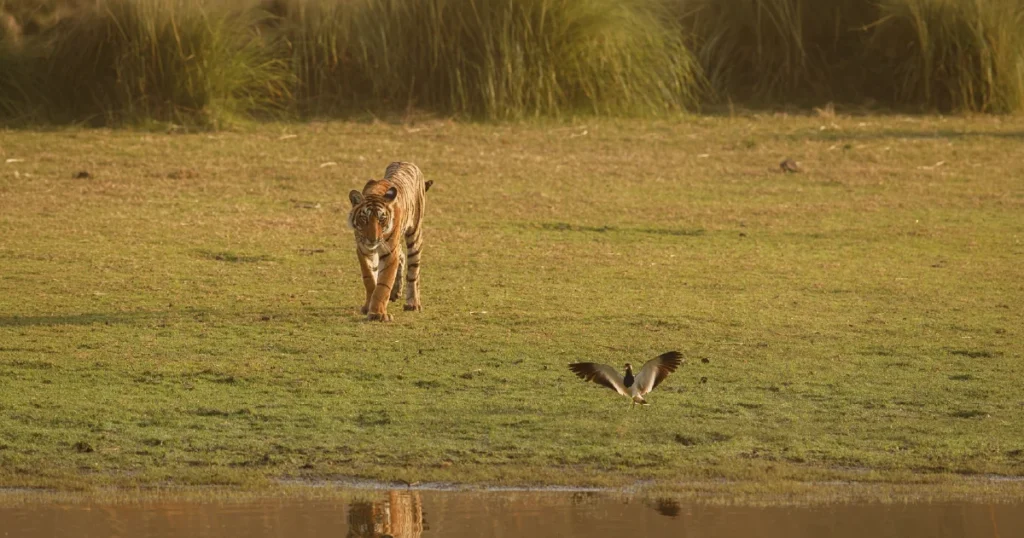
Grasslands play an essential role in supporting herbivores and maintaining soil health. These ecosystems regulate nutrient cycles and sustain food webs across multiple trophic levels. Despite their importance, grasslands are among the most altered ecosystems globally due to agricultural expansion, leading to biodiversity loss and ecological degradation [2].
Marine ecosystems, including coral reefs and coastal habitats, are fundamental to global environmental stability. Oceans regulate climate, support fisheries, and sustain biodiversity. Coral reefs provide habitat for numerous species and protect coastlines, yet rising temperatures and ocean acidification are reducing their capacity to support life.
Freshwater ecosystems, such as rivers and lakes, are essential for wildlife and human populations. They provide drinking water, support aquatic biodiversity, and connect ecosystems through water cycles. Pollution, overuse, and climate change are placing increasing pressure on these systems, affecting species survival and water availability.
Ecological Stability and Habitat Loss
The loss of critical habitats disrupts ecological balance and reduces system resilience. Scientific evidence shows that habitat degradation leads to biodiversity decline and weakened ecosystem function [3]. When habitats are fragmented, species lose access to resources, migration routes are disrupted, and population stability declines.
These changes create cascading effects across systems. Reduced biodiversity affects pollination, soil fertility, and food production. Habitat loss also contributes to climate instability by reducing carbon storage capacity and altering natural cycles. The interconnected nature of ecosystems means that changes in one habitat can influence multiple systems simultaneously.
Health and Environmental Consequences
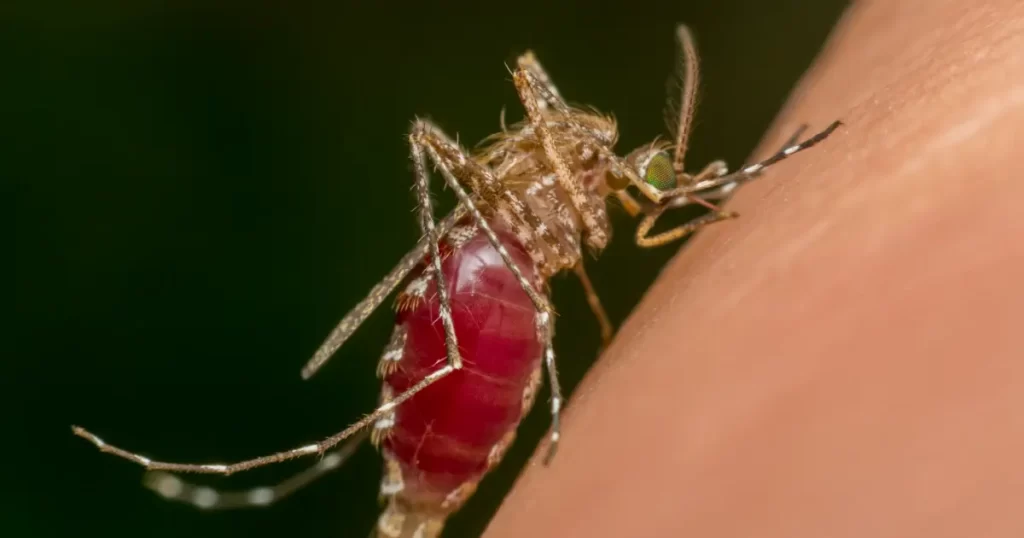
Habitat degradation is closely linked to public health risks. As natural systems are disrupted, human-wildlife contact increases, raising the likelihood of zoonotic disease transmission. Research shows that environmental change and habitat loss are key drivers of emerging infectious diseases [4].
Declining ecosystems also affect food security and water quality. Reduced biodiversity can limit agricultural productivity, while degraded freshwater systems increase exposure to contaminants. These impacts demonstrate how environmental change directly influences human well-being.
Maintaining habitats is therefore not only an ecological priority but a public health necessity [5].
A One Health Perspective
The concept of habitats essential for wildlife reflects the interconnected nature of environmental, animal, and human health systems. Healthy habitats support biodiversity, regulate climate, and maintain ecosystem services that sustain life.
A One Health approach recognises that protecting habitats strengthens multiple systems simultaneously. Preserving forests, wetlands, and marine ecosystems enhances disease regulation, supports food systems, and improves environmental resilience while reducing the risks associated with habitat disruption.
Integrating habitat conservation into public health and environmental policy enables coordinated action, strengthening resilience and supporting long-term sustainability.
Conclusion
Wildlife depends on habitats that provide stability, resources, and ecological balance. Habitats essential for wildlife are interconnected systems that sustain biodiversity and regulate global processes.
As these habitats face increasing pressure, their protection becomes critical for maintaining environmental stability and human well-being. Understanding their role supports more effective conservation strategies and stronger integration between ecological and health systems.
References
- Pan, Y. et al., 2011. A large and persistent carbon sink in the world’s forests. Science, 333(6045), pp.988–993. Available at: https://pubmed.ncbi.nlm.nih.gov/21764754/
- White, R.P. et al., 2000. Grassland ecosystems. World Resources Institute. Available at:
https://www.wri.org/research/pilot-analysis-global-ecosystems-grassland-ecosystems - Cardinale, B.J. et al., 2012. Biodiversity loss and its impact on humanity. Nature, 486, pp.59–67. Available at: https://pubmed.ncbi.nlm.nih.gov/22678280/
- Gibb, R. et al., 2020. Zoonotic host diversity increases in human-dominated ecosystems. Nature, 584, pp.398–402. Available at: https://pubmed.ncbi.nlm.nih.gov/32759996/
- United Nations Environment Programme, 2022. Making Peace with Nature. Available at:
https://www.unep.org/resources/making-peace-nature