Introduction
Every year on December 5, the world celebrates World Soil Day, honoring the foundation of all life—the soil beneath our feet.
Healthy Soils, Healthy Planet is not just a campaign theme; it captures a universal truth: when soils thrive, ecosystems flourish, and humanity prospers.
Yet one-third of global soils are degraded due to overuse, pollution, and deforestation [1]. When the ground loses fertility, crops fail, biodiversity diminishes, and climate resilience weakens. Protecting soil is therefore essential for food security, clean water, and planetary stability.
But as the pressures on our natural systems grow, one question becomes urgent: how can we restore the health of the very ground that sustains us all?
The Living Foundation of Life
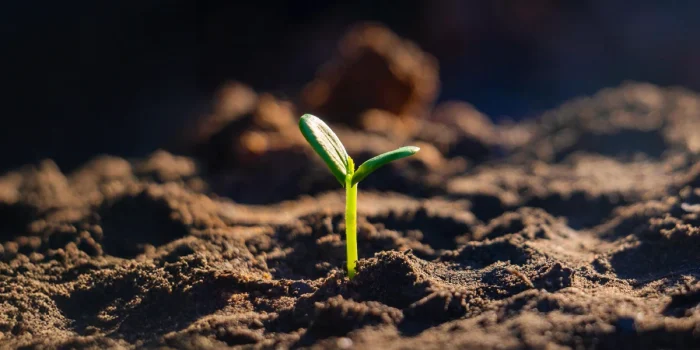
Soil is far more than dirt—it’s a living ecosystem. A single handful can contain billions of microorganisms that recycle nutrients, filter water, and support plant growth.
These invisible communities are the engine of our food systems and an essential part of climate regulation.
Healthy soils store carbon, reduce flood risks, and nourish crops that feed billions. However, modern industrial practices—intensive tilling, excessive chemical use, and monoculture farming—are destroying this vital resource. The UN Food and Agriculture Organization (FAO) warns that if soil degradation continues at current rates, 90 percent of the world’s topsoil could be at risk by 2050 [2].
Healthy Soils, Healthy Planet: A Shared Responsibility
When soil health declines, everything connected to it suffers. Polluted soils can transfer toxins, heavy metals, and antibiotic residues into water and food. Meanwhile, fertile soils improve crop quality, nutrition, and ecosystem stability.
Healthy soils sustain livestock, wildlife, and humans alike. They regulate water cycles, reduce erosion, and filter pathogens before they reach rivers or crops. By caring for soil, communities strengthen the very systems that sustain life.
Technology and Innovation for Sustainable Soils
Science and technology are transforming the way we understand and protect soils. Satellite monitoring, AI-powered analysis, and smart sensors now measure soil moisture, carbon levels, and fertility in real time [3].
Farmers use these tools to optimize irrigation, reduce chemical inputs, and restore degraded lands.
At the global scale, initiatives such as the Global Soil Partnership and the EU Soil Mission 2030 foster data sharing, farmer education, and soil restoration. These efforts combine traditional knowledge with digital innovation to rebuild resilience from the ground up.
Community Action and Education
Soil conservation begins at the local level. Farmers, students, and urban gardeners play a critical role in restoring and protecting the earth beneath us. Practices like crop rotation, composting, reduced tillage, and planting cover crops enrich the soil and boost biodiversity [4].
Community gardens, reforestation projects, and school-based education programs raise awareness about soil’s vital role in sustaining life. When citizens understand that soil is a living organism, not an endless resource, they become stewards of its health.
Governments can further support these efforts by rewarding regenerative farming and enforcing sustainable land management policies.
A Grounded Approach to Global Health
Healthy soil sustains healthy people. It ensures clean water, nutrient-rich food, and natural resilience against droughts and disease. Protecting soil health therefore protects public health, even if the connection lies underground.
Cross-sector collaboration—linking agriculture, environment, and health ministries—can ensure that soil management supports nutrition, climate goals, and sustainable development all at once.
Conclusion
World Soil Day is a powerful reminder that every seed, forest, and ecosystem begins in the ground.
By investing in Healthy Soils, Healthy Planet, we invest in the future of humanity itself. Soil care is not just an agricultural task—it’s a collective responsibility to sustain life, restore balance, and protect the Earth for generations to come.
Healthy soil is where hope takes root.
References
- Food and Agriculture Organization (2022) World Soil Day 2022 Campaign: Soils Where Food Begins. Rome: FAO.
Available at: https://www.fao.org/world-soil-day/en - Food and Agriculture Organization (2015) Status of the World’s Soil Resources (SWSR). Rome: FAO.
Available at: https://www.fao.org/3/i5199e/i5199e.pdf - European Commission (2023) EU Mission: A Soil Deal for Europe. Brussels: European Commission.
Available at: https://research-and-innovation.ec.europa.eu/funding/funding-opportunities/funding-programmes-and-open-calls/horizon-europe/eu-missions-horizon-europe/soil-deal-europe_en - United Nations Environment Programme (2024) Healthy Soils, Healthy People: Restoring Earth’s Foundation. Nairobi: UNEP.
Available at: https://wedocs.unep.org/handle/20.500.11822/44601