Introduction
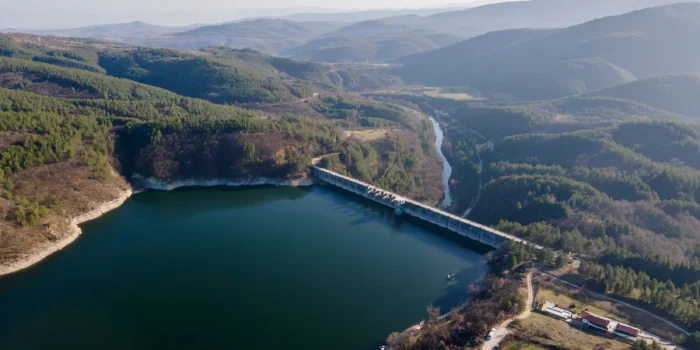
The planet is constantly evolving, but the pace and scale of change today are increasingly driven by human actions. From urban expansion to industrial production, human influence is altering ecosystems, climate systems, and natural resources worldwide. Understanding human activity reshaping the planet is essential for recognising how these changes affect both environmental stability and human well-being.
Modern lifestyles, technological advancement, and population growth have accelerated environmental transformation. While these developments have improved many aspects of life, they have also introduced new pressures on natural systems.
How exactly is human activity reshaping the planet right now?
Human Activity Reshaping the Planet: Key Drivers
1. Deforestation and Land-Use Change
Forests are being cleared for agriculture, infrastructure, and development at a rapid rate. This reduces biodiversity, disrupts ecosystems, and decreases the planet’s ability to absorb carbon dioxide. Land-use change is one of the leading causes of environmental transformation [1].
2. Climate Change Acceleration
Greenhouse gas emissions from energy production, transportation, and industry are driving global temperature increases. These changes are affecting weather patterns, melting ice caps, and altering ecosystems worldwide.
3. Urban Expansion and Built Environments
Cities are growing rapidly, transforming landscapes and increasing demand for resources. Urbanisation changes land surfaces, affects local climates, and contributes to pollution and habitat fragmentation.
4. Pollution Across Air, Water, and Soil
Pollution is reshaping ecosystems at multiple levels. Air pollution affects atmospheric systems, while water contamination impacts aquatic life. Soil degradation reduces agricultural productivity and ecosystem health.
5. Overexploitation of Natural Resources
Overfishing, mining, and excessive water use are placing significant pressure on natural systems. These practices reduce resource availability and disrupt ecological balance.
6. Biodiversity Loss
Human activity is accelerating species extinction rates. Habitat destruction, pollution, and climate change all contribute to biodiversity decline, weakening ecosystem resilience [2].
7. Technological and Industrial Impact
Technology and industry drive economic growth but also increase environmental strain. Energy consumption, waste production, and resource extraction are reshaping ecosystems globally.
Ecological Stability and System Disruption
The cumulative impact of these changes is significant. Ecosystems are becoming less stable, and their ability to recover from disturbances is declining. Scientific evidence shows that human-driven environmental change is altering Earth’s systems at an unprecedented rate [3].
When ecosystems are disrupted, natural processes such as pollination, nutrient cycling, and climate regulation are affected. These changes extend beyond environmental systems, influencing food production and water availability.
Health and Environmental Consequences
The effects of environmental change are closely linked to human health. Poor air quality, contaminated water, and reduced food security all contribute to health risks. In addition, environmental disruption increases the likelihood of zoonotic disease transmission by altering interactions between humans and wildlife [4].
Understanding these connections highlights the importance of addressing environmental challenges as part of broader public health strategies.
A One Health Perspective
The concept of human activity reshaping the planet reflects the interconnected nature of environmental, animal, and human health. A One Health approach recognises that changes in one system affect others.
Addressing environmental challenges requires coordinated efforts across sectors. Reducing pollution, managing resources sustainably, and protecting ecosystems can improve health outcomes while supporting environmental stability.
This integrated approach strengthens resilience and supports long-term sustainability.
Conclusion
Human influence is transforming the planet in ways that are both visible and complex. From climate change to biodiversity loss, the effects of human activity reshaping the planet are shaping the future of ecosystems and human societies.
Recognising these changes is the first step toward addressing them. By understanding how human actions affect the environment, more effective strategies can be developed to protect natural systems and improve global health.
The future of the planet depends on how these challenges are managed today.
References
- Food and Agriculture Organization (FAO), 2020. Global Forest Resources Assessment 2020.
Available at: https://openknowledge.fao.org/handle/20.500.14283/ca9825en - Intergovernmental Science-Policy Platform on Biodiversity and Ecosystem Services (IPBES), 2019. Global Assessment Report on Biodiversity and Ecosystem Services.
Available at:
https://www.ipbes.net/global-assessment - Steffen, W. et al., 2015. The trajectory of the Anthropocene. The Anthropocene Review, 2(1), pp.81–98.
Available at:
https://journals.sagepub.com/doi/10.1177/2053019614564785 - World Health Organization (WHO), 2023. Environment, Climate Change and Health.
Available at:
https://www.who.int/health-topics/climate-change