Introduction
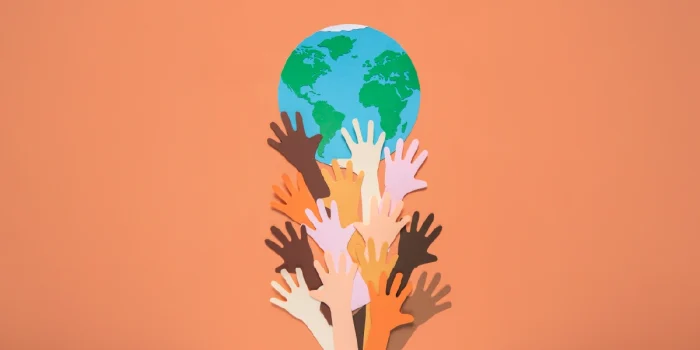
Human Rights Day reminds us that health, safety, and dignity form the foundation of a stable and thriving society. In today’s world—marked by environmental pressures, emerging disease threats, and disruptions to essential resources—Human Health Protection becomes a global responsibility. This observance encourages reflection on how protecting wellbeing depends on the interdependence between humans, animals, and the environment.
How can we ensure that every person benefits from conditions that support a healthy and secure life?
Health as a Foundation for a Stable World
Health extends far beyond clinical care, forming the core of social resilience and long-term wellbeing. Access to clean air, safe water, nutritious food, and stable habitats are essential components of a healthy life. Disruptions in any of these areas can quickly undermine the stability of entire communities.
Environmental decline has become a major driver of global health challenges. Air pollution contributes to millions of premature deaths annually, affecting both urban and rural regions [1]. Unsafe water continues to cause widespread, preventable illness, particularly in areas facing infrastructure strain or environmental degradation [2]. These pressures intensify with climate shifts, declining natural resources, and habitat stress, ultimately weakening the fundamental conditions needed for wellbeing.
Human Health Protection in a Connected World
Preventing disease is one of the most direct ways to safeguard human life. Infectious diseases can disrupt systems, place heavy burdens on healthcare structures, and weaken entire regions. Protecting human wellbeing therefore requires early identification of risks and rapid response.
Many modern health threats emerge from interactions between people, animals, and shifting ecosystems. Roughly 60% of human infectious diseases originate from animals, a pattern influenced by environmental change, land-use pressures, and global mobility [3]. Strengthening surveillance, improving animal-health monitoring, and addressing environmental stressors reduces the risk of outbreaks.
Local action—such as improved sanitation, responsible waste management, and community-level early warning systems—helps prevent disease spread. Globally, scientific collaboration and coordinated monitoring networks offer essential tools for early detection and rapid intervention.
Environmental Integrity as a Human Right
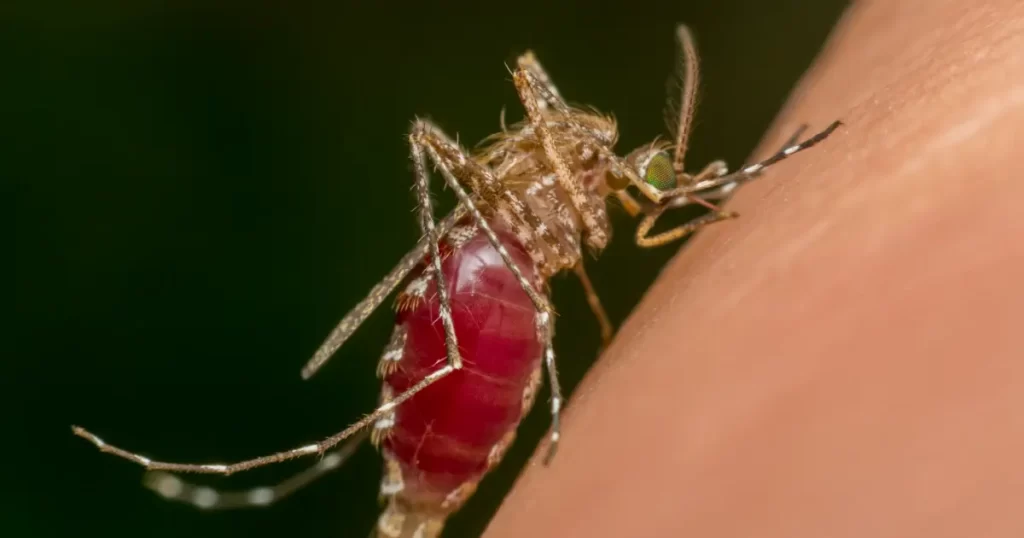
Environmental instability directly affects human wellbeing. Rising temperatures allow disease-carrying vectors to expand into new regions, increasing the prevalence of illnesses such as dengue and malaria [4]. Wildfires release harmful particles that aggravate respiratory conditions, while habitat loss increases interactions between wildlife and people, raising the likelihood of pathogen spillover.
Protecting environmental health is therefore vital. Climate-adaptive planning, pollution control, and protection of natural habitats reduce long-term risks. Sustainable food systems—supported by healthy livestock and responsible land management—also safeguard nutrition and reduce exposure to foodborne hazards.
A One Health Approach
A One Health perspective recognises that safeguarding human wellbeing requires coordinated action across environmental, veterinary, and public-health systems. Many threats—infectious diseases, pollution, climate pressures, and food insecurity—move across species and sectors. Integrating environmental monitoring, veterinary insight, and health-system preparedness strengthens early-warning capacity and improves response. This interconnected approach ensures that Human Health Protection remains resilient in a changing world.
Conclusion
Human Rights Day reinforces that Human Health Protection is a shared responsibility that supports safety, stability, and long-term wellbeing. By protecting environmental integrity, strengthening disease-prevention systems, and promoting cooperation across scientific and community sectors, we create the conditions that allow every person to live safely and thrive.
References
- World Health Organization (WHO) 2023, Ambient (Outdoor) Air Quality and Health, WHO. Available at: https://www.who.int/news-room/fact-sheets/detail/ambient-%28outdoor%29-air-quality-and-health
- UN-Water 2024, Water Facts, UN-Water. Available at: https://www.unwater.org/water-facts
- Centers for Disease Control and Prevention (CDC) 2023, About Zoonotic Diseases — One Health, CDC. Available at: https://www.cdc.gov/one-health/about/about-zoonotic-diseases.html
- World Health Organization (WHO) 2024, Climate Change and Vector-Borne Diseases, WHO. Available at: https://www.who.int/news-room/fact-sheets/detail/vector-borne-diseases