Introduction
Human expansion into natural environments has significantly altered the frequency and nature of interactions between wildlife and human populations. These interactions are no longer isolated ecological events but represent critical points where environmental, animal, and human health systems intersect. The concept of human wildlife interaction risks highlights how these moments influence ecosystem stability, disease dynamics, and public safety.
Habitat destruction, land-use change, and climate variability are accelerating these interactions worldwide. The expansion of agriculture, urbanisation, and infrastructure has fragmented ecosystems and reduced natural buffers that historically separated species. As a result, human-wildlife encounters are increasing in both frequency and intensity, creating new challenges for environmental stability and health systems.
When and why do these interactions become critical risks to both ecosystems and human populations?
Human Wildlife Interaction Risks: Drivers of Contact
Habitat loss remains one of the primary drivers of increased human-wildlife interaction. As ecosystems are degraded or converted for human use, wildlife is displaced into smaller areas or forced into proximity with human settlements. This spatial overlap increases competition for resources and raises the likelihood of conflict and ecological imbalance [1].
Climate change further intensifies these dynamics by altering species distribution and migration patterns. Changes in temperature and habitat conditions force wildlife to relocate, often into regions where human populations are unprepared for their presence. These shifts disrupt ecological stability and increase uncertainty in how species interact.
Food scarcity also contributes to these interactions. As natural food sources decline due to environmental degradation, wildlife increasingly depends on human-dominated environments. This behavioral adaptation reflects broader environmental pressure and creates sustained contact points that elevate both ecological and public health risks.
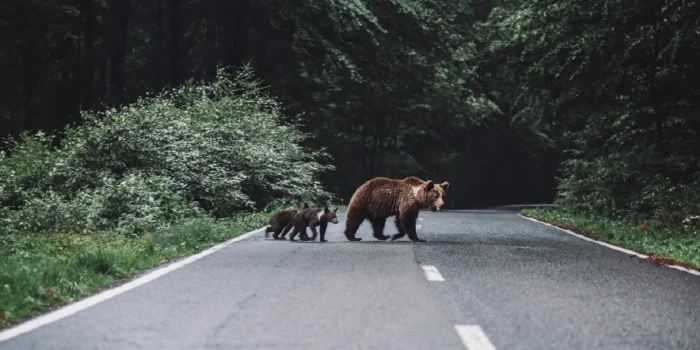
Infrastructure development also plays a critical role. Roads, urban expansion, and industrial activity fragment habitats and force wildlife into human spaces. These changes increase direct encounters while reducing ecosystem resilience.
Disease Emergence and Ecological Disruption
One of the most significant consequences of increased human-wildlife interaction is the emergence of zoonotic diseases. Over 60% of emerging infectious diseases originate from animal reservoirs, with the majority linked to wildlife [2]. As contact between species increases, so does the probability of pathogen transmission.
Scientific evidence shows that biodiversity loss influences disease dynamics. Disrupted ecosystems often favor species that are efficient disease carriers, increasing transmission potential [3]. This is particularly evident in simplified ecosystems where natural regulatory mechanisms are weakened.
Human activities such as wildlife trade and tourism further amplify these risks. Direct contact with animals in markets or recreational settings increases exposure and contributes to pathogen spillover. These interactions can extend beyond local contexts and develop into broader public health threats.
System-Level Consequences
Human-wildlife interaction risks extend beyond individual encounters and reflect broader system-level changes. Increased interaction is associated with ecological imbalance, biodiversity loss, and reduced environmental resilience. These changes affect food systems, water quality, and climate regulation, creating cascading impacts across sectors.
Research indicates that fragmented ecosystems are less capable of recovering from disturbances [4]. As resilience declines, systems become more vulnerable to environmental shocks, including disease outbreaks. These disruptions also have economic consequences, including agricultural losses and increased healthcare demands.
A One Health Perspective
The concept of human wildlife interaction risks reflects the interconnected nature of human, animal, and environmental systems. Human health is influenced by increased exposure to disease, while animal health is affected by habitat disruption and stress. Environmental health declines as ecosystems lose balance.
A One Health approach emphasises coordinated action across sectors. Protecting habitats, regulating wildlife trade, and improving land-use planning reduce interaction points and strengthen ecosystem stability. Maintaining biodiversity supports natural disease regulation and environmental resilience.
Integrating environmental management with public health systems enables earlier detection of risks and more effective prevention strategies.
Conclusion
Human-wildlife interactions are increasing as environmental systems undergo rapid transformation. Human wildlife interaction risks emerge at critical moments where ecological boundaries break down, often leading to consequences beyond immediate encounters.
Understanding these interactions supports better risk management, ecosystem protection, and global health stability. The goal is not to eliminate interaction, but to manage it in a way that maintains balance and sustainability.
Protecting ecosystems is therefore not only an environmental priority but a fundamental component of global health security.
References
- Haddad, N.M. et al., 2015. Habitat fragmentation and its lasting impact on Earth’s ecosystems. Science Advances, 1(2). Available at: https://pubmed.ncbi.nlm.nih.gov/26601154/
- Jones, K.E. et al., 2008. Global trends in emerging infectious diseases. Nature, 451, pp.990–993. Available at: https://pubmed.ncbi.nlm.nih.gov/18288193/
- Gibb, R. et al., 2020. Zoonotic host diversity increases in human-dominated ecosystems. Nature, 584, pp.398–402. Available at: https://pubmed.ncbi.nlm.nih.gov/32759996/
- Keesing, F. et al., 2010. Impacts of biodiversity on the emergence and transmission of infectious diseases. Nature, 468, pp.647–652. Available at: https://pubmed.ncbi.nlm.nih.gov/21124449/