Introduction
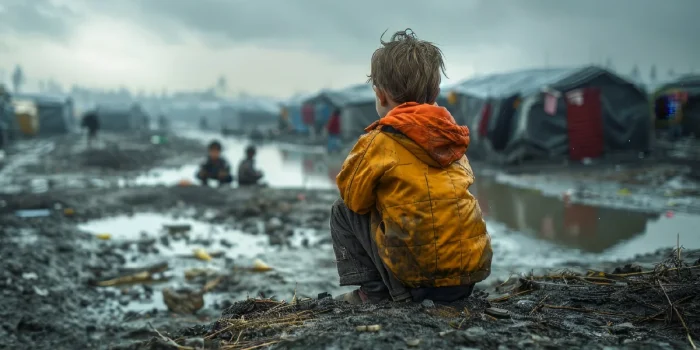
Humanitarian emergencies are changing. While wars, natural disasters, and disease outbreaks have long challenged healthcare systems, today’s crises are increasingly interconnected. Climate-related disasters, prolonged displacement, emerging infectious diseases, and fragile infrastructure are creating new pressures on communities worldwide. The strength of Humanitarian Health Systems is becoming one of the most important factors in determining how effectively societies respond to these growing challenges.
World Humanitarian Day honors the people working on the frontlines of crisis response, often under dangerous and difficult conditions. Yet humanitarian action today extends beyond emergency aid. Modern humanitarian health systems must provide disease surveillance, maternal care, mental health support, vaccination programs, nutrition services, and long-term recovery planning. As crises become more complex, humanitarian healthcare is evolving from short-term response toward resilience and preparedness.
How can Humanitarian Health Systems adapt to a world where emergencies are becoming larger, more frequent, and increasingly interconnected?
Humanitarian Health Systems in an Era of Climate Emergencies
Climate change is rapidly reshaping humanitarian needs around the world. Floods, heatwaves, droughts, storms, and wildfires are affecting millions of people each year while placing enormous strain on healthcare services.
Research suggests that climate-related disasters are increasing both the scale and complexity of humanitarian responses [1]. Healthcare facilities may be damaged, water supplies disrupted, and disease risks elevated following extreme weather events.
Humanitarian organizations are increasingly investing in climate-resilient infrastructure, emergency preparedness, and early warning systems to reduce health impacts before disasters occur.
Displacement and Long-Term Health Challenges
The number of displaced people worldwide has reached record levels in recent years. Refugees, asylum seekers, and internally displaced populations often face significant barriers to healthcare access.
According to the United Nations High Commissioner for Refugees, displacement is increasingly prolonged, meaning that many affected populations require healthcare services for years rather than months [2]. Chronic disease management, maternal healthcare, mental health services, and vaccination programs have therefore become critical components of humanitarian response.
Addressing displacement-related health needs requires long-term planning rather than temporary emergency solutions.
Disease Surveillance on the Frontlines
Early detection of disease outbreaks has become a cornerstone of humanitarian health. In crisis settings, disrupted sanitation systems, overcrowding, and limited healthcare access can increase the risk of infectious disease transmission.
Modern surveillance systems increasingly use mobile technologies, digital reporting platforms, and genomic sequencing to identify outbreaks more quickly [3]. These tools allow health agencies to detect emerging threats and respond before widespread transmission occurs.
The COVID-19 pandemic reinforced the importance of surveillance systems that can function effectively even during complex emergencies.
Technology Is Transforming Humanitarian Response
Digital technologies are changing how humanitarian health services are delivered. Mobile health applications, telemedicine, satellite mapping, and artificial intelligence are helping organizations improve coordination and reach vulnerable populations.
Research shows that digital health tools can strengthen healthcare delivery in humanitarian settings, particularly where infrastructure is limited [4]. These technologies support data collection, disease monitoring, health education, and communication between healthcare providers and communities.
While technology cannot replace frontline workers, it is becoming an increasingly important tool for improving humanitarian response.
A One Health Perspective
The concept of Humanitarian Health Systems aligns closely with the One Health approach, which recognizes the interconnected relationship between human, animal, and environmental health.
In humanitarian settings, environmental disruption can affect water quality, food security, disease transmission, and livelihoods simultaneously. Livestock losses may impact nutrition and income, while ecosystem degradation can increase vulnerability to future crises.
One Health approaches encourage collaboration across public health, veterinary medicine, environmental science, and emergency management. These integrated strategies help humanitarian organizations address both immediate needs and long-term resilience.
Conclusion
World Humanitarian Day reminds us that humanitarian health extends far beyond emergency response. The future of Humanitarian Health Systems depends on their ability to adapt to evolving challenges, including climate-related disasters, displacement, infectious disease threats, and technological change.
As crises become more interconnected, healthcare systems must become more resilient, flexible, and proactive. Investments in preparedness, surveillance, climate adaptation, and community-based healthcare can help reduce suffering before emergencies escalate.
Protecting health during crises is not only a humanitarian responsibility—it is an essential investment in global stability, resilience, and human dignity.
References
- Romanello, M. et al., 2023. The 2023 report of the Lancet Countdown on health and climate change. The Lancet, 402(10419), pp.2346–2394.
https://doi.org/10.1016/S0140-6736(23)01859-7 - United Nations High Commissioner for Refugees (UNHCR), 2024. Global Trends: Forced Displacement in 2024. Available at:
https://www.unhcr.org/global-trends - World Health Organization, 2024. Early Detection, Assessment and Response to Acute Public Health Events. Available at:
https://www.who.int/publications/i/item/WHO-HSE-GCR-LYO-2014.4 - Tom-Aba, D. et al., 2015. Innovative technological approach to Ebola virus disease outbreak response in Nigeria using the Open Data Kit and Form Hub technology. PLOS ONE, 10(6), e0131000.
https://doi.org/10.1371/journal.pone.0131000