Introduction
Insects are among the most resilient organisms on Earth. The extraordinary adaptability of Insect Survival Systems has allowed insects to survive mass extinctions, climate shifts, environmental disasters, and changing ecosystems for hundreds of millions of years. From desert beetles that collect water from the air to ants that build highly organised colonies, insects have evolved biological systems that help them thrive in some of the harshest environments on the planet.
Insect Week highlights growing scientific interest in how insects survive environmental stress and adapt to rapidly changing conditions. Researchers continue to study insect biology to better understand resilience, climate adaptation, disease resistance, and ecosystem stability. At a time when biodiversity loss and climate change threaten ecosystems worldwide, insects may hold important lessons about survival in a changing world.
How do Insect Survival Systems continue to protect some of Earth’s smallest but most resilient species?
Insect Survival Systems and Adaptation
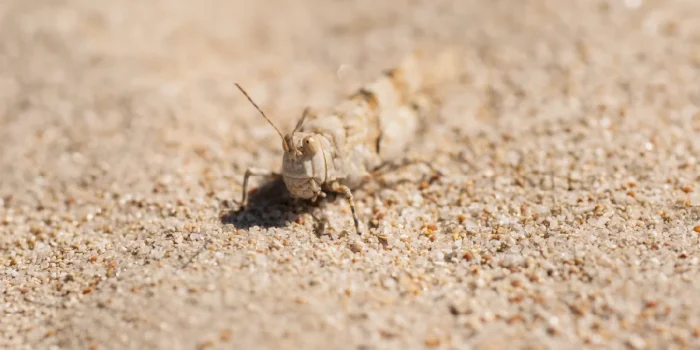
Insects possess remarkable biological adaptations that allow them to survive extreme environmental conditions. Some species can tolerate freezing temperatures, while others survive intense heat, drought, or limited food availability.
Scientific research shows that insects use specialised survival mechanisms such as dormancy, rapid reproduction, camouflage, and behavioural adaptation to respond to environmental stress [1]. These evolutionary traits help insect populations recover quickly after environmental disruption.
Their ability to adapt has helped insects become one of the most successful groups of organisms in Earth’s history.
Resilience Through Diversity
Biodiversity plays a major role in insect survival and ecosystem resilience. Millions of insect species occupy different ecological roles, supporting pollination, decomposition, soil health, and food chains across the planet.
Studies demonstrate that biodiversity strengthens ecosystem stability and environmental recovery [2]. Diverse insect populations also improve ecosystem flexibility during climate stress and environmental change.
Healthy ecosystems therefore depend heavily on resilient insect communities that maintain ecological balance.
Climate Change and Environmental Pressure
Although insects are highly adaptable, climate change is placing growing pressure on many species worldwide. Rising temperatures, habitat destruction, pollution, and pesticide exposure are altering insect behaviour, migration, and reproduction patterns.
Research indicates that some insect populations are declining rapidly because environmental changes are occurring faster than species can adapt [3,4]. Pollinators and habitat-sensitive insects are especially vulnerable to biodiversity loss and ecosystem disruption.
Protecting insect habitats and reducing environmental stressors are becoming increasingly important for preserving ecosystem resilience.
What Humans Can Learn From Insects
Scientists are increasingly studying insects to better understand resilience, efficiency, and biological innovation. Insect communication systems, colony organisation, and survival strategies continue to influence fields such as robotics, engineering, medicine, and environmental science.
For example, researchers have studied ant colonies to improve traffic systems and swarm intelligence technologies. Other insect adaptations are helping scientists develop new materials, medical solutions, and climate-resilient technologies.
The survival strategies insects evolved over millions of years may offer valuable insights for addressing future environmental challenges.
A One Health Perspective
The concept of Insect Survival Systems closely aligns with the One Health approach, which recognises the connection between environmental, animal, and human health.
Insects support biodiversity, agriculture, food systems, and ecosystem resilience worldwide. Environmental disruption affecting insect populations may also influence pollination, wildlife health, and human food security.
Integrated strategies that combine biodiversity conservation, sustainable agriculture, and environmental protection are essential for preserving resilient ecosystems. One Health highlights that understanding insect resilience can also strengthen human understanding of environmental adaptation and survival.
Conclusion
Insects have survived some of the greatest environmental changes in Earth’s history. The remarkable adaptability of Insect Survival Systems demonstrates how resilience, biodiversity, and evolution help sustain life even under difficult conditions.
Yet modern environmental pressures are testing the limits of many insect populations worldwide. Climate change, pollution, and habitat destruction continue to threaten species that play critical roles in ecosystem balance and environmental stability.
Insect Week reminds us that protecting resilient insect populations may also help protect the future resilience of life on Earth itself.
References
- Chapman, R.F., Simpson, S.J. and Douglas, A.E., 2013. The Insects: Structure and Function. 5th ed. Cambridge: Cambridge University Press. https://doi.org/10.1017/CBO9781139035460
- Cardinale, B.J. et al., 2012. Biodiversity loss and its impact on humanity. Nature, 486, pp.59–67.
https://doi.org/10.1038/nature11148 - Sánchez-Bayo, F. and Wyckhuys, K.A.G., 2019. Worldwide decline of the entomofauna: A review of its drivers. Biological Conservation, 232, pp.8–27.
https://doi.org/10.1016/j.biocon.2019.01.020 - Hallmann, C.A. et al., 2017. More than 75 percent decline over 27 years in total flying insect biomass in protected areas. PLOS ONE, 12(10), e0185809.
https://doi.org/10.1371/journal.pone.0185809