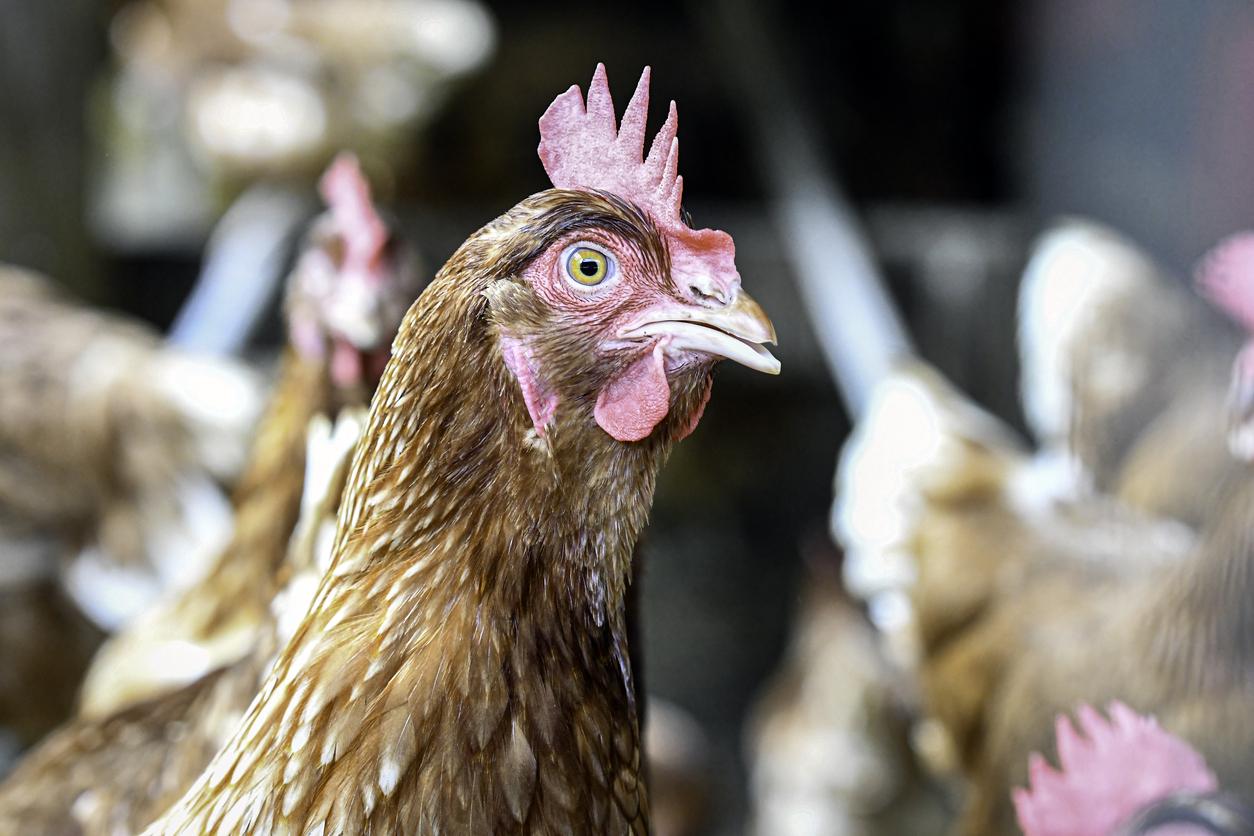
Lancaster County, Pennsylvania, reported more detections of avian flu in commercial flocks this week, affecting more than 160,000 birds, according to notifications from the US Department of Agriculture’s Animal and Plant Health Inspection Service (APHIS).
A commercial table egg-layer facility had the largest outbreak, with 104,800 birds sickened. There were also detections on a commercial turkey farm (36,000 birds) and poultry operation with 25,100 birds. The other major detection this week came from Sonoma County, California, where a commercial broiler production facility with 86,600 birds was hit with highly pathogenic bird flu.
In the past 30 days, avian flu has been confirmed in 52 flocks, including 19 commercials flocks, and 33 backyard flocks, affecting a total of 4.78 million birds.
In other bird flu news, two foxes, one in Los Angeles and the other in New Haven, Connecticut,were infected with bird flu, as was a domestic cat in Burlington, New Jersey.
Finally, there were also more than 120 wild bird detections this week, including more than 10 mallards in Rockingham County, New Hampshire, and a bald eagle in Somerset County, New Jersey.
The Pan American Health Organization (PAHO) has issued an epidemiological alert on chikungunya cases after last year brought a sustained increase in cases in countries and territories in the Americas Region, as well as a resumption of autochthonous transmission in areas that had not reported circulation of the virus for several years.
Reappearance of cases in certain territories reinforces the need for sensitive surveillance and a timely response
“Although the observed dynamics may correspond to expected epidemiological patterns in contexts where the vector is present, the reappearance of cases in certain territories reinforces the need for sensitive surveillance and a timely response,” PAHO said.
Guiana Shield area seeing transmission again
Between January 1 and December 10, 2025, 18 countries and one territory in the Americas Region reported 313,132 chikungunya cases to PAHO, of which 113,926 were confirmed, including 170 deaths.
Significant circulation was documented in the central-western and southeastern regions of Brazil, southern Bolivia, and the reappearance of cases in the Guiana Shield area, PAHO said. So far in January of 2026, Brazil has seen 4,544 probable cases, of which 1,535 cases have been confirmed and no deaths have been reported.
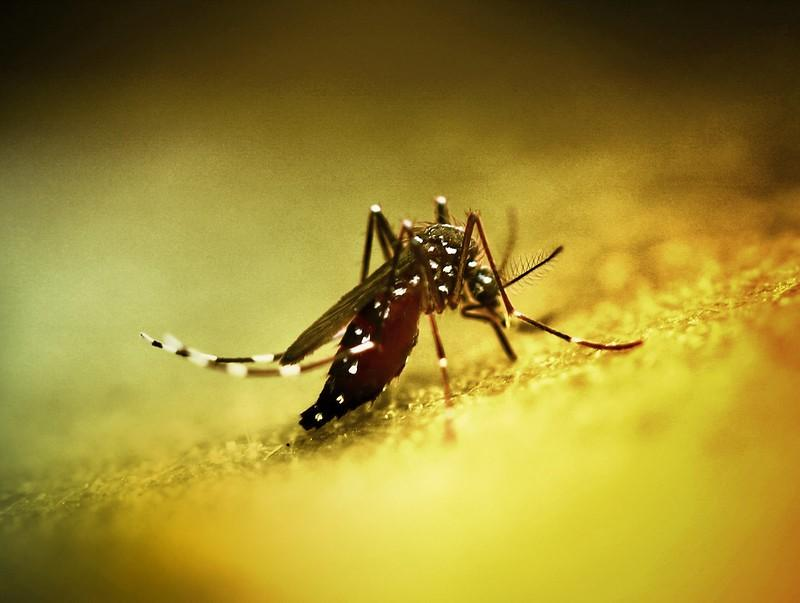
Chikungunya is spread by Aedes mosquitoes. Symptoms include fever, joint pain, and rash, with some joint pain becoming chronic after infection. In severe cases, patients can suffer neurological symptoms, and the virus can be fatal.

For the first time, the detection of chronic wasting disease (CWD) has been identified in a Gladwin County, Michigan, wild deer, the Michigan Department of Natural Resources (DNR) announced today.
In the news release, officials said the infected deer was harvested by a hunter in Clement Township. Gladwin County is located in the northwest quadrant of Michigan’s Lower Peninsula.
It is the 18th county in the state to detect the fatal neurodegenerative disease. The other affected counties are Allegan, Clinton, Dickinson, Eaton, Genesee, Gratiot, Hillsdale, Ingham, Ionia, Isabella, Jackson, Kent, Mecosta, Midland, Montcalm, Ogemaw, and Washtenaw. Midland County is south of Gladwin, and Ogemaw County is north.
“The detection of chronic wasting disease in Gladwin County is consistent with the slow, incremental spread we have observed across Michigan,” Brent Rudolph, PhD, DNR deer, elk and moose management specialist, said in the release.
“New positive results can be alarming for nearby communities and frustrating as the total count continues to grow, but these detections are critical to our understanding of the scope of chronic wasting disease in our state,” he added. “We greatly appreciate hunters’ continued persistence in submitting samples for testing.”
CWD first identified in state in 2015
CWD affects cervids such as deer, elk, and moose. It is caused by infectious misfolded proteins called prions, which spread from animal to animal and through environmental contamination. Common symptoms include weight loss, lethargy, disorientation, and loss of fear of people.