Introduction
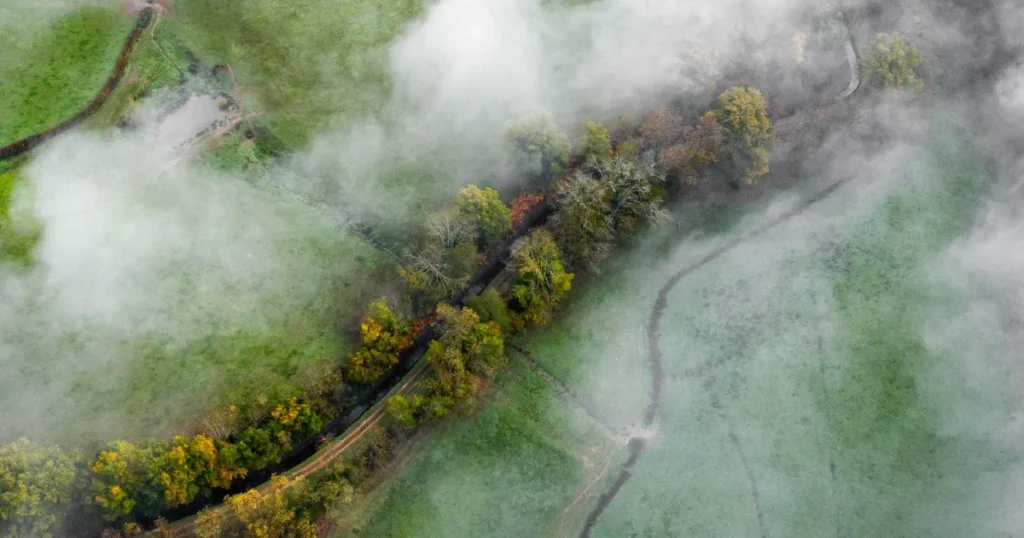
Before cities, industries, and global infrastructure reshaped the Earth, natural systems operated with a level of balance that is difficult to imagine today. National Wildlife Week invites us to reflect not only on what exists now, but on what once was. The idea of life before human impact is not about nostalgia—it is about understanding how ecosystems function when left undisturbed.
For millions of years, the planet maintained stability through interconnected systems that regulated climate, supported biodiversity, and sustained life without external disruption. Today, many of these systems are under pressure.
So what can we learn from life before human impact about how the planet once thrived?
1. Ecosystems Regulated Themselves Naturally
Before large-scale human intervention, ecosystems functioned through natural feedback mechanisms.
Predator-prey relationships, nutrient cycles, and biodiversity maintained balance without external control. These systems ensured that no single species dominated excessively, allowing stability to persist over long periods.
Scientific research shows that intact ecosystems are more resilient to disturbances and better able to recover from environmental changes [1].
2. Biodiversity Was Rich and Stable
High biodiversity was a defining feature of natural ecosystems.
A wide variety of species contributed to ecosystem stability by supporting pollination, nutrient cycling, and food webs. Greater biodiversity also reduced the spread of disease by limiting the dominance of any single host species.
Studies highlight that biodiversity plays a key role in maintaining ecosystem function and reducing ecological vulnerability [2].
3. Natural Carbon Cycles Maintained Climate Balance
Before industrial activity, carbon cycles were largely balanced.
Forests, oceans, and soil systems absorbed and released carbon in a stable way, helping regulate global temperatures. These natural processes kept atmospheric conditions within a range that supported life.
Disruptions to these systems have since contributed to climate instability,
highlighting the importance of natural carbon regulation [3].
4. Water Systems Remained Clean and Self-Sustaining
Water systems once functioned with minimal contamination.
Wetlands filtered pollutants, forests stabilized watersheds, and natural cycles ensured the availability of clean water. These processes supported both ecosystems and the species that depended on them.
Healthy ecosystems play a crucial role in maintaining water quality and preventing environmental degradation [4].
5. Wildlife Populations Stayed in Balance
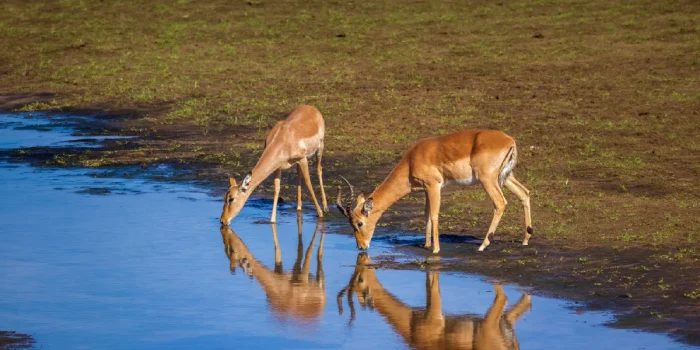
Animal populations were regulated by natural limits such as food availability, habitat conditions, and predation.
Without artificial pressures, wildlife populations fluctuated within sustainable ranges. This balance prevented overpopulation and resource depletion.
The stability of these systems ensured long-term survival across species.
6. Disease Patterns Were Naturally Contained
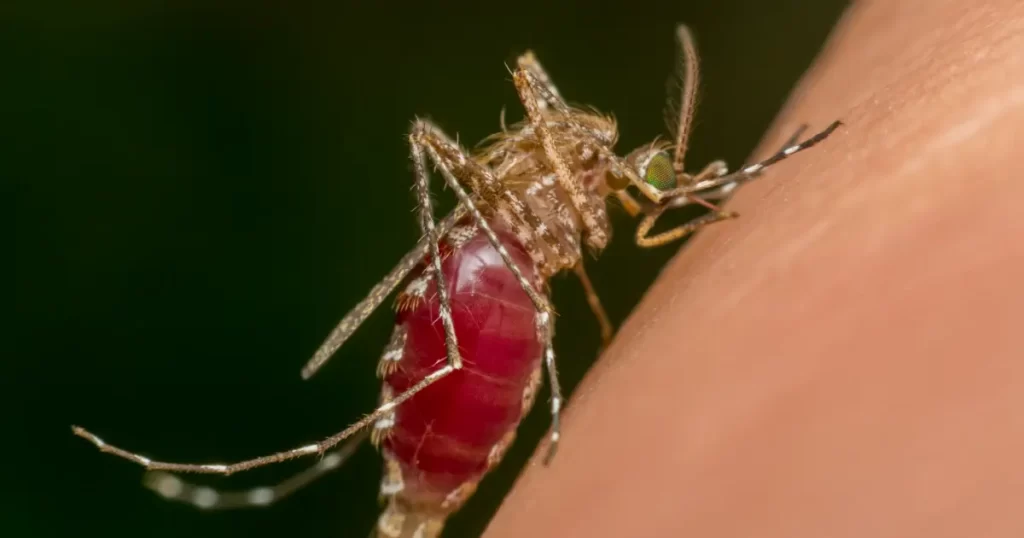
In balanced ecosystems, disease transmission was often limited by biodiversity and habitat stability.
The “dilution effect” suggests that higher biodiversity can reduce the spread of certain infectious diseases by limiting interactions between hosts and pathogens [5].
When ecosystems are disrupted, these natural barriers weaken, increasing the risk of disease emergence.
7. Human Health Risks Were Lower Indirectly
Although early human populations faced many challenges, large-scale environmental health risks were limited by stable ecosystems.
Clean air, uncontaminated water, and balanced food systems reduced exposure to pollutants and environmental hazards.
The connection between environmental conditions and human health has become more evident as ecosystems have changed.
A One Health Perspective
Understanding life before human impact highlights the interconnected nature of health systems.
- Environmental health: Stable ecosystems regulate climate, water, and biodiversity
- Animal health: Balanced wildlife populations support ecosystem function
- Human health: Clean environments reduce disease risk and support well-being
A One Health perspective shows that the separation between human systems and natural systems is artificial. When ecosystems are disrupted, the effects extend across all levels.
Protecting biodiversity and restoring ecosystems are not only environmental goals—they are essential for maintaining health across species and systems.
Conclusion
National Wildlife Week offers an opportunity to reflect on how the planet once functioned—and what has changed. Life before human impact reveals systems that were balanced, resilient, and self-sustaining. While returning to that exact state is not possible, understanding it provides valuable insight into how systems can be improved today. The goal is not to remove human presence, but to align it with the natural systems that support life. Because when ecosystems thrive, everything connected to them—including human health—benefits.
References
- Cardinale BJ et al. (2012) Biodiversity loss and its impact on humanity. Nature, 486, pp. 59–67.
Available at: https://pubmed.ncbi.nlm.nih.gov/22678280/ - Tilman D et al. (2014) Biodiversity and ecosystem functioning. Annual Review of Ecology.
Available at: https://pubmed.ncbi.nlm.nih.gov/24959902/ - IPCC (2021) Climate Change 2021: The Physical Science Basis.
Available at: https://www.ipcc.ch/report/ar6/wg1/ - United Nations Environment Programme (2022) Making Peace with Nature.
Available at: https://www.unep.org/resources/making-peace-nature - Keesing F et al. (2010) Impacts of biodiversity on the emergence and transmission of infectious diseases. Nature, 468.
Available at: https://pubmed.ncbi.nlm.nih.gov/21124449/