Introduction
We often think of nature as something separate—a place we visit, a backdrop to daily life, or a resource to manage. But in reality, it is something far more immediate. It shapes the air we breathe, the water we drink, and even how we think and feel.
Nature Day is not just a celebration of landscapes or wildlife. It is a reminder of a deeper truth: nature and human health are tightly linked in ways that are both visible and hidden.
Across the world, environmental changes are quietly reshaping health outcomes. Pollution, biodiversity loss, and climate shifts are no longer distant concerns—they are influencing disease patterns, food systems, and mental well-being today [1].
So, how much of our health actually depends on nature?
Nature and Human Health: The Invisible Connection
The relationship between ecosystems and health operates continuously, even when it goes unnoticed.
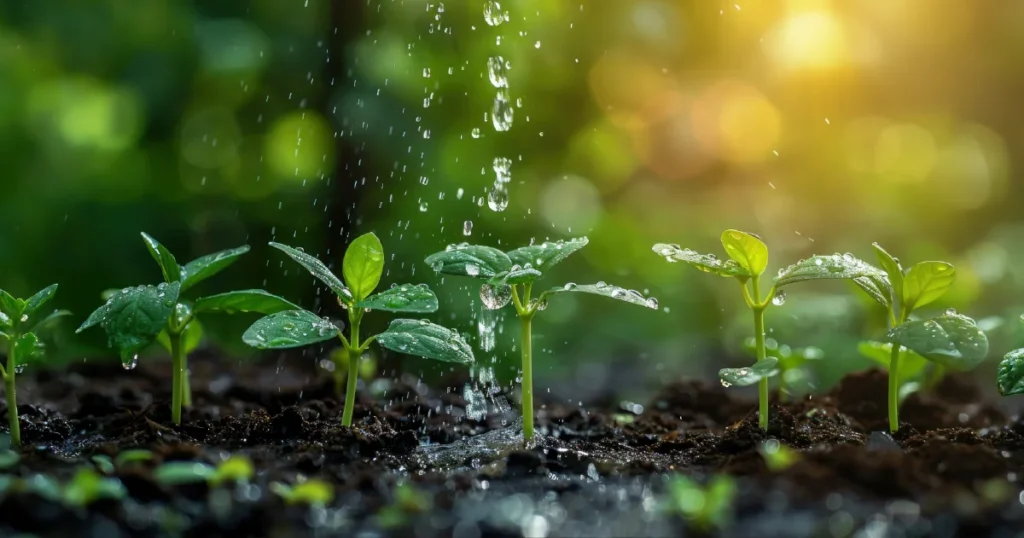
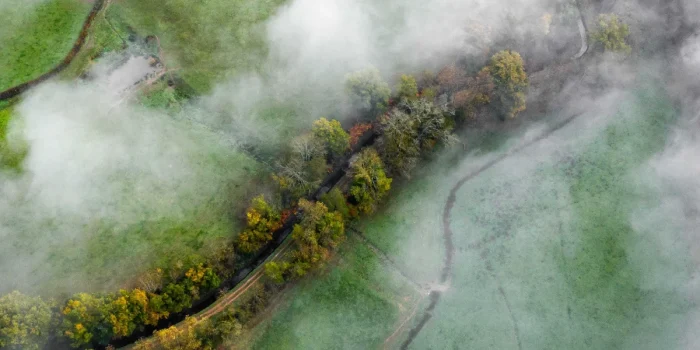
Forests filter pollutants from the air. Wetlands remove contaminants from water. Soil ecosystems support agriculture and nutrition. These natural processes function as protective systems, reducing exposure to harmful conditions.
According to the World Health Organization, millions of deaths each year are linked to environmental risks that could be prevented through healthier ecosystems [1].
When these systems are disrupted, the consequences become visible—rising respiratory illness, waterborne diseases, and reduced food quality.
Nature does not simply support health. It actively regulates it.
Environmental Change and Emerging Risks
Human activity is rapidly transforming natural environments. Urban expansion, industrial emissions, and land degradation are altering ecosystems at a global scale.
These changes introduce new health risks:
- Increased exposure to air pollution
- Declining water quality
- Greater frequency of extreme weather events
- Shifting patterns of infectious diseases
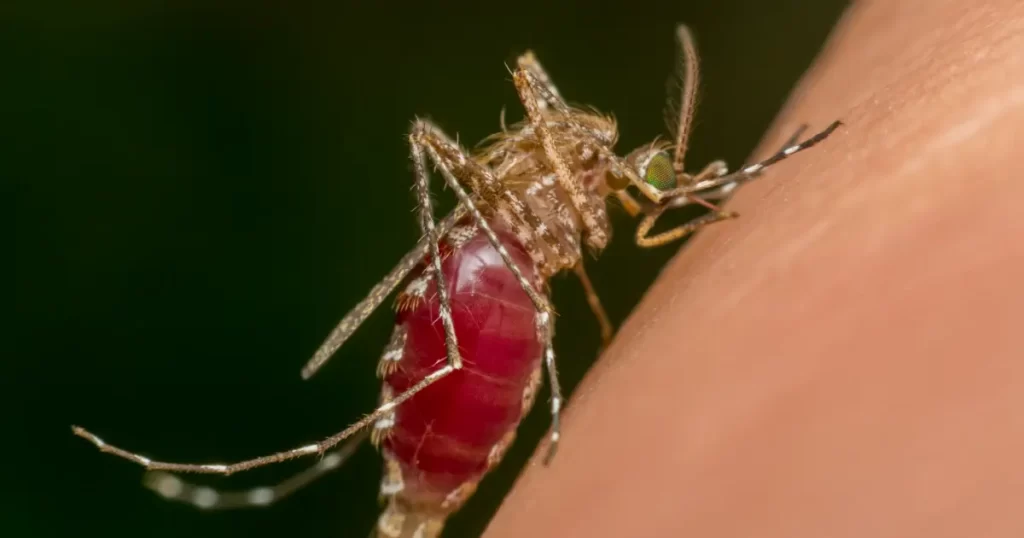
Climate change intensifies these effects. Warmer temperatures and altered ecosystems expand the range of disease vectors such as mosquitoes, increasing the spread of illnesses like dengue and malaria [2].
At the same time, biodiversity loss reduces ecosystem resilience, making it harder for natural systems to buffer environmental stress.
The result is a growing gap between human systems and the natural systems that sustain them.
The Mental Health Benefits of Nature
The connection between nature and health is not only physical—it is deeply psychological.
Exposure to natural environments has been linked to lower stress levels, improved mood, and better cognitive performance. Research shows that even short periods in green spaces can significantly reduce anxiety and mental fatigue [3].
In contrast, environments with limited access to nature are associated with higher levels of stress and reduced well-being.
Nature offers something modern environments often lack: restoration.
Urban Life and the Disconnection from Nature
As more people live in cities, daily contact with natural environments is decreasing. Urban design often prioritizes infrastructure over ecological balance.
This disconnection has consequences:
- Increased exposure to pollutants
- Reduced opportunities for stress recovery
- Limited awareness of environmental impacts
However, cities also present solutions. Green infrastructure—parks, urban forests, and sustainable design—can improve air quality, reduce heat, and support mental well-being [4].
Reintroducing nature into urban environments is not just beneficial—it is essential for healthier living.
A One Health Perspective
The link between ecosystems and human populations highlights the importance of a One Health approach.
- Human health: Clean air, water, and food systems depend on healthy environments
- Environmental health: Ecosystem stability supports climate regulation and biodiversity
- System coordination: Integrated policies improve outcomes across sectors
For example, preserving biodiversity reduces the risk of zoonotic disease transmission by maintaining ecological balance. At the same time, sustainable land use improves food security and reduces environmental degradation [5].
A One Health perspective recognizes that protecting nature is not separate from protecting people—it is the same goal.
Conclusion
Nature Day reminds us that health does not begin in hospitals or clinics—it begins in the environment around us.
The connection between nature and human health shapes every aspect of life, from physical well-being to mental resilience. When ecosystems function properly, they provide clean air, safe water, stable food systems, and protection against environmental threats.
But when these systems are disrupted, the consequences ripple across communities and generations.
Protecting nature is not simply an environmental responsibility. It is a health strategy.
Because when nature is strong, human health follows.
References
- World Health Organization (2016) Preventing Disease Through Healthy Environments.
Available at: https://www.who.int/publications/i/item/9789241565196 - Intergovernmental Panel on Climate Change (2023) Climate Change 2023: Impacts, Adaptation and Vulnerability.
Available at: https://www.ipcc.ch/report/ar6/wg2/ - Twohig-Bennett C, Jones A (2018) The health benefits of the great outdoors: A systematic review and meta-analysis of greenspace exposure. Environmental Research, 166, pp. 628–637.
Available at: https://pubmed.ncbi.nlm.nih.gov/30098430/ - Gascon M et al. (2015) Mental health benefits of long-term exposure to residential green and blue spaces: A systematic review. International Journal of Environmental Research and Public Health, 12(4), pp. 4354–4379.
Available at: https://www.mdpi.com/1660-4601/12/4/4354 - United Nations Environment Programme (2022) Preventing the Next Pandemic: Zoonotic Diseases and How to Break the Chain of Transmission.
Available at: https://www.unep.org/resources/report/preventing-future-zoonotic-disease-outbreaks-protecting-environment-animals-and