World AMR Awareness Week 2026:
A One Health Response
An infection in a person, illness in a farm animal, and contaminated water may seem like separate problems. Antimicrobial resistance connects them. Resistant microorganisms can move between our homes, healthcare facilities, farms, and environment. Medicine use and waste management in one setting can influence risks elsewhere. Protecting effective treatment requires attention to those connections.
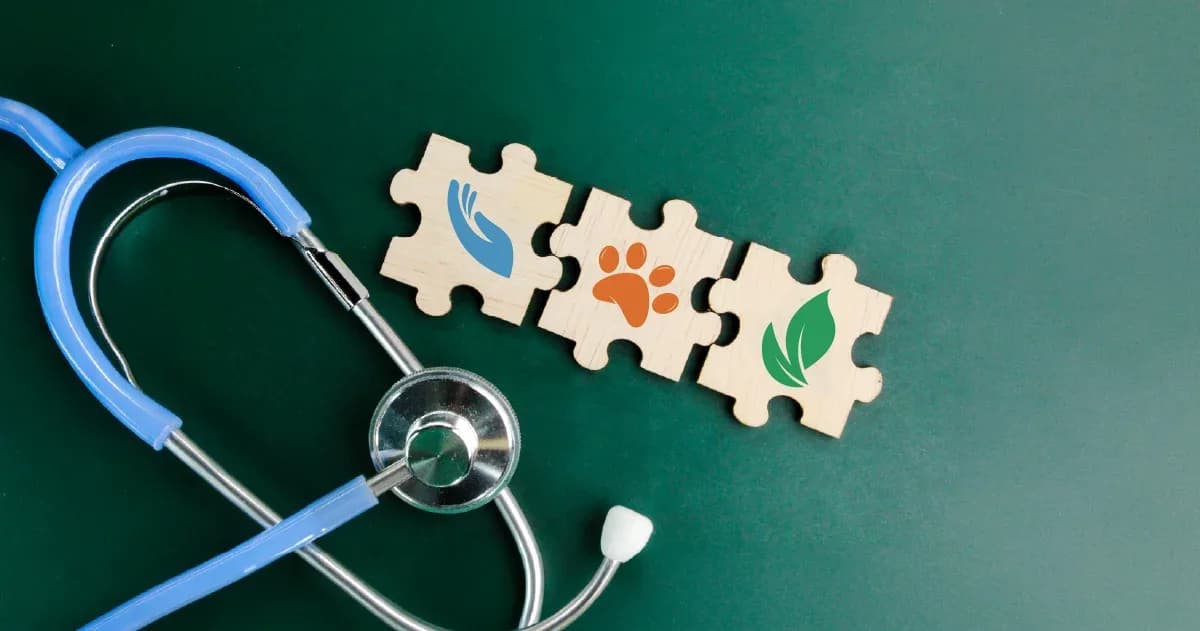
World AMR Awareness Week 2026 takes place from November 18 to 24 under the theme “One Health, one action: Prevent AMR now”. One Health recognizes that the health of people, animals, plants, and the environment is interconnected. For AMR, that means preventing infections and addressing resistance together, rather than leaving each sector to respond alone. [1]
What resistance means for people and animals
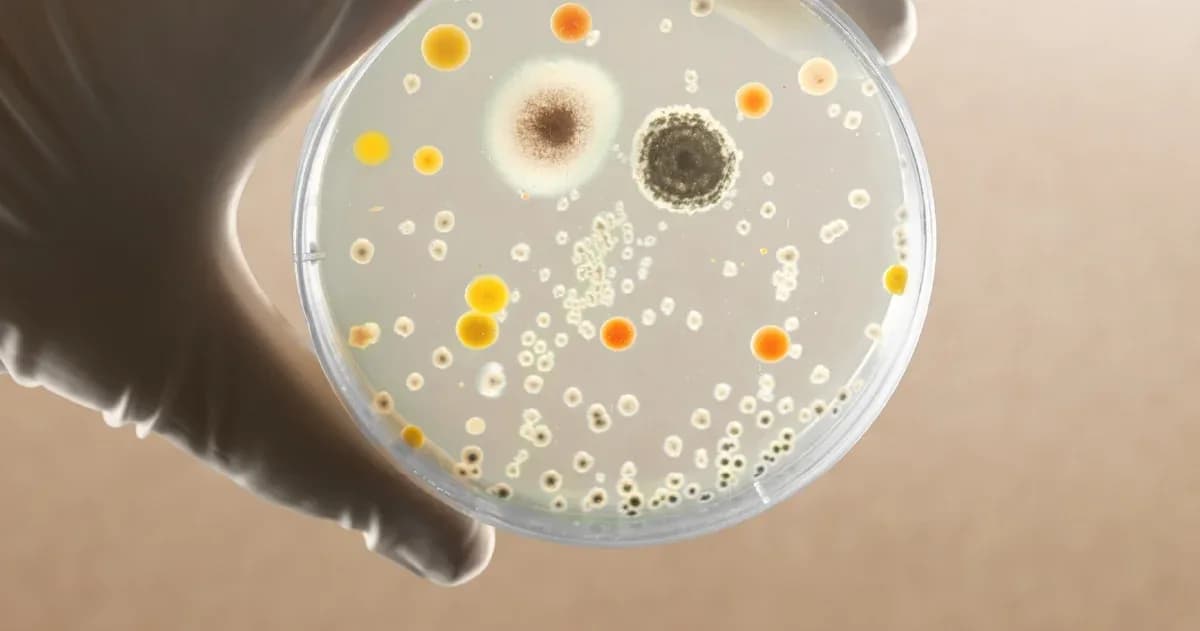
Antimicrobials include antibiotics, antivirals, antifungals, and antiparasitic medicines. Antibiotics are the subset used against bacteria. Antimicrobial resistance, or AMR, occurs when microorganisms no longer respond to medicines intended to treat them. The microorganisms become resistant, not the person or animal receiving treatment. [2]
Resistant infections can be harder or sometimes impossible to treat. They can require alternative medicines and longer hospital stays, and increase the risks surrounding surgery and other medical care. In animals, resistant infections also threaten health and agricultural productivity. [2]
A global analysis estimated that 4.71 million deaths were associated with bacterial AMR in 2021, including 1.14 million deaths attributable to resistance itself. These are different modeled estimates: the associated measure compares resistant infections with a hypothetical scenario without those infections; the attributable measure compares them with drug-susceptible infections. The figures describe bacterial resistance, not the entire burden of AMR across all microorganisms. [3]
How resistance crosses boundaries
Resistance develops naturally as microorganisms evolve. Antimicrobial exposure selects for resistant populations, and unnecessary or inappropriate use adds avoidable selection pressure: susceptible microbes are suppressed while resistant ones can survive. Resistant bacteria can then move between people and animals through contact or contaminated food, and through water and other environmental pathways. Some resistance genes can also move between bacteria. These connections make AMR a shared challenge, although their importance varies by organism and setting. [4]
The environment receives material from several sources, including human sewage, healthcare facilities, animal waste, and pharmaceutical manufacturing. Wastewater or manure that is inadequately managed can carry resistant bacteria and resistance genes into water or soil, including agricultural land. [5]
Antimicrobial residues are a different concern. They are traces of medicines, not resistant organisms. Depending on their concentrations and local conditions, residues may favor the selection of resistance. Finding a residue or resistance gene does not, by itself, establish that someone will develop a resistant infection. The contribution of particular environmental pathways to illness remains incompletely understood. That uncertainty supports better monitoring alongside practical pollution prevention. [5]
Healthy animals are part of prevention
Protecting animal health and welfare matters in its own right. Healthy livestock also support livelihoods and food security. Veterinary care, vaccination, appropriate nutrition, good housing, and biosecurity can prevent disease and reduce the need for antimicrobial treatment. Biosecurity means practical measures that limit the introduction and spread of infection, such as managing animal movements and maintaining clean equipment. [6]
When an animal needs treatment, responsible use means veterinary assessment and appropriate medicine, dose, and duration. Reducing avoidable use must not mean withholding necessary care. Animal-health plans should connect these decisions with hygiene, surveillance, and environmental management, including safe handling and treatment of manure and wastewater. Prevention on farms works best when it also protects the land and water around them. [5] [6]
Prevent infections without blocking treatment
The same prevention-first approach applies in homes and healthcare facilities. Vaccination, hand hygiene, clean water, sanitation, safe food handling, and effective infection control reduce opportunities for infection and transmission. Fewer infections can mean fewer occasions when antimicrobial treatment is needed. These measures belong alongside farm biosecurity and environmental protection in a coordinated response. The updated Global Action Plan on Antimicrobial Resistance 2026–2036, adopted by the World Health Assembly in May 2026, reinforces that One Health approach. [7]
For patients and caregivers, responsible use includes taking antibiotics only when prescribed and following the clinician’s instructions. Do not share medicines or use someone else’s prescription. If instructions are unclear, ask your healthcare professional for advice. [8]
Stewardship must also improve access. People and animals need timely assessment, reliable diagnostics where available, and quality-assured medicines when treatment is appropriate. A response focused only on reducing use can overlook those who cannot obtain effective care. [2] [6]
Turn shared responsibility into coordinated action
Individuals can help, but they cannot replace functioning public systems. Health services, veterinary teams, food producers, water and waste managers, and environmental authorities need shared plans with clear responsibilities and funding. Surveillance across sectors can help identify emerging resistance and guide action. Cleaner wastewater, better manure management, infection prevention, and appropriate prescribing address different parts of the same problem. [5] [6] [7]
World AMR Awareness Week 2026 offers a practical starting point: connect the action within your reach to the wider system. A vaccination programme, safer farm practices, and improved waste treatment contribute in different ways. Sustained coordination is what makes One Health useful beyond the campaign week, helping protect animal welfare, food security, healthy environments, and effective treatment for people who need it.