
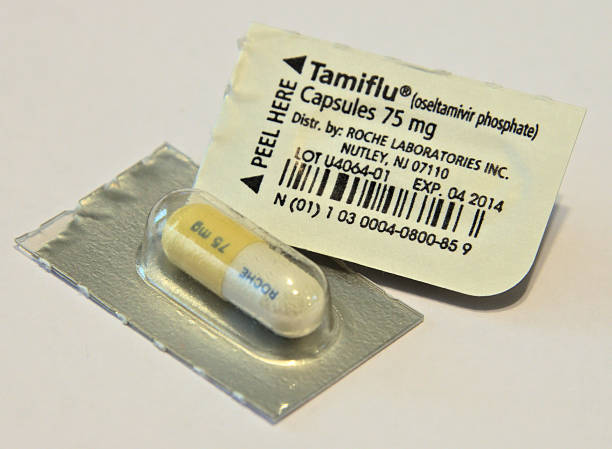
Among children hospitalized for influenza, treatment with the antiviral drug oseltamivir reduced the risk of admission to an intensive care unit (ICU) by 31% and shortened hospital stays, concludes a real-world study published yesterday in JAMA Pediatrics.
The study, led by University of Colorado (UC) Anschutz researchers, analyzed data on hospitalized children who received or didn’t receive oseltamivir (eg, Tamiflu) in the Influenza Hospitalization Surveillance Network, which operates in 13 states, during eight respiratory virus seasons (2014-15 through 2022-23, except for 2020-21).
“National organizations recommend antiviral treatment for hospitalized children with influenza; however, use in this setting has recently declined,” the researchers wrote. “Studies of oseltamivir effectiveness in children are limited by misclassification bias, unknown symptom onset date, and incomplete capture of antiviral use prior to admission.”
Findings support current national guidelines
Of 6,044 pediatric flu patients in the primary ICU analysis, 70.2% received oseltamivir. In the secondary hospital length-of-stay (LOS) analysis, 80.9% of 7,103 patients received oseltamivir.
After adjustment, compared with untreated children, oseltamivir treatment reduced the risk of ICU admission 31%. Both early (within two days of admission) and late treatment were tied to a 26% and 45% lower risk of ICU admission, respectively, compared with no treatment.

The US Department of Health and Human Services (HHS) is seeking nominations for membership on the National Vaccine Advisory Committee (NVAC), according to a notice in the Federal Register.
Although it won’t be published until tomorrow, the Federal Register features a link to the unpublished document.
During terms of up to four years, appointees make up the outside group that advises HHS on vaccine policy issues “to achieve optimal prevention of human infectious diseases through immunization and to achieve optimal prevention against adverse reactions to vaccines.”
Membership “will be balanced and includes a selection of public members who are engaged in gold standard science, vaccine safety or efficacy research, or who are physicians, scientists, members of parent organizations concerned with immunizations, representatives of state or local health agencies or public health organizations,” the notice said.
Off-label drugs, dietary supplements as vaccine ‘alternatives’
As part of a continuing effort to limit and discourage vaccination, HHS revised the NVAC charter last month to direct the committee to consider “non-immunization strategies for individuals who are unable to be vaccinated, or who choose not to be vaccinated due to medical contraindications or strongly held personal, conscientious or religious beliefs.”
Such vaccine alternatives “should include healthy lifestyle and disease prevention initiatives, off label repurposed use of existing FDA approved drugs and the use of dietary supplements known to support healthy immune function,” it added.
The charter, which expires in July 2028, also limits the involvement of academic and industry-funded vaccine researchers in favor of more public members, among other changes.
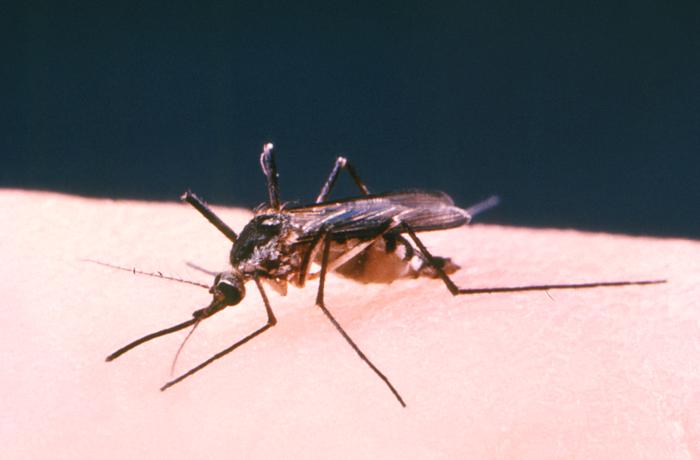
The Pee Dee, a region in the northeastern corner of South Carolina, is reporting a West Nile virus outbreak.
“Two human cases of West Nile virus were diagnosed in the Pee Dee within a similar time frame and geographic radius, indicating sustained West Nile virus activity in the area and meeting the definition of an outbreak,” the South Carolina Department of Public Health announced.
The mosquito-borne virus is common in the late summer months, but most people infected will never know they have the virus.
Most cases go undetected
“Most people infected with West Nile virus have no symptoms,” said Abdoulaye Diedhiou, MD, PhD, MPH, the South Carolina state epidemiologist. “The risk of serious illness is low, with less than one percent of people infected developing encephalitis, a potentially fatal swelling of the brain. However, we urge residents in the area to take this alert seriously and take the precautions advised to further lower their risk of contracting West Nile virus.”
We urge residents in the area to take this alert seriously
According to the Centers for Disease Control and Prevention, the country has seen 181 West Nile cases so far in 2026, with 129 cases of neuroinvasive disease associated with infections. Thirty states have reported infection so far this year, with Arizona reporting the most, with 73.
Florida officials said a second person has died from a Vibrio vulnificus infection this year. The death occurred in an adult from Marion County and follows a late-July death recorded in Palm Beach County, also in an adult, according to a new update from the Florida Department of Health (Florida Health).
So far this year, Florida has tracked 14 cases of the flesh-eating bacteria, which thrive in warm, brackish water. Last year, the state saw 33 cases and 15 deaths. In 2024, there were 82 cases and 19 deaths.
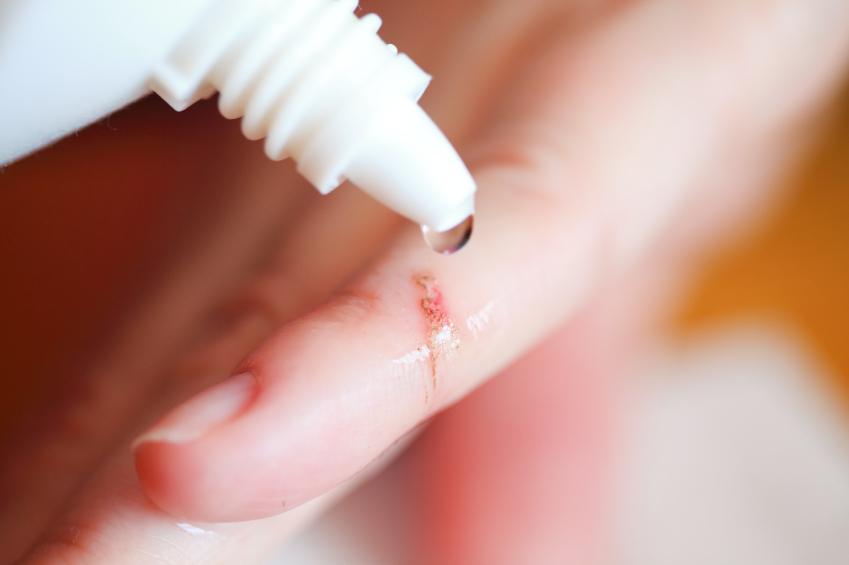
Most people get vibriosis by eating raw or undercooked shellfish, but people can also contract the bacterial infection after swimming in infected waters with open wounds.
Death rate around 20%
“Individuals who are immunocompromised, e.g chronic liver disease, kidney disease, or weakened immune system, should wear proper foot protection to prevent cuts and injury caused by rocks and shells on the beach,” Florida Health said.
Florida Health also said around 20% of people diagnosed as having a V vulnificus infection will die, and many will need limb amputations following necrotizing fasciitis, which occurs when the bacteria kill living tissue surrounding a wound.
Earlier this week, Louisiana reported five recent deaths amid increased V vulnificus case counts.
CDC adds almost 100 new cases to expanding US measles outbreak
COMMENTARY: The pandemic debate the US isn’t having