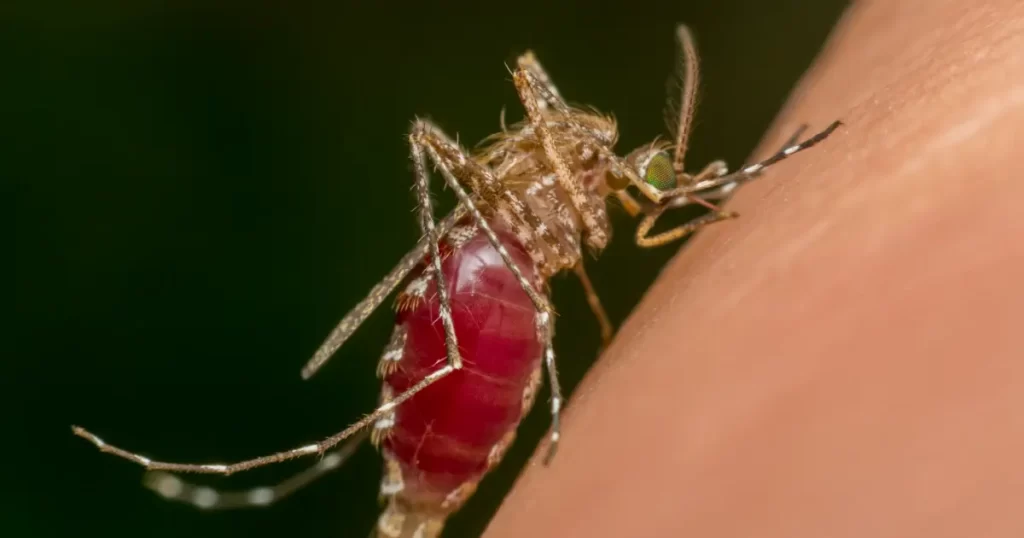
- The University of Kent’s meningitis outbreak is growing quickly, with 20 confirmed or probable cases now reported. Six cases have been confirmed to be caused by the meningitis B strain, or MenB. “This looks like a super-spreader event, with ongoing spread within the halls of residence in the universities. There will have been some parties particularly around this, so there will have been lots of social mixing,” said the chief executive of the UK Health Security Agency, Susan Hopkins. Thousands of students have been offered prophylactic antibiotics after the first cases were discovered over the weekend.
- The Texas Department of State Health Services said there have beenat least 136 measles cases this year, many in immigration detention centers, with a single federal detention facility in Hudspeth County, accounting for 99 cases. The department said it has little jurisdiction over the federal centers and is not able to track outbreak response, vaccination status, or the number of hospitalizations originating in detention centers. Last year, a West Texas measles outbreak among Mennonite communities was the nation’s largest, with almost 800 cases.
- A Samoa dengue outbreak, which started in early 2025, continues, with 17,402 cumulative clinically diagnosed cases and 5,117 laboratory‑confirmed cases reported. Transmission remains widespread across the island, with 64% of cases reported from Upolu and 36% from Savaii, and children under 15 years accounting for 74% of all cases. So far, this outbreak has resulted in nine deaths.

The Centers for Disease Control and Prevention (CDC) has ended its investigation into a Salmonella outbreak tied to moringa leaf powder. A total of 97 cases have been recorded, with 32 new casessince the CDC’s previous update on January 29.
Illness onsets ranged from August 22, 2025, to February 27, 2026. The outbreak resulted in 26 hospitalizations but no deaths and was the first of two Salmonella outbreaks related to contaminated moringa powder in the past six months. The CDC said the two outbreaks are unrelated.
The average age of case-patients was 44, and 61% were males.
Wisconsin had the highest case count, with 12, followed by New York (eight) and Minnesota (seven).
Products should not be used
Of the 67 people interviewed, 59 (88%) reported eating a product containing moringa leaf powder, including 55 who reported Live it Up Super Greens supplement powders only, three who reported Why Not Natural moringa powder capsules only, and one who reported consuming both products.
These products have a long shelf-life and may still be in people’s homes. Check your home for recalled products and throw them away or return them.
“Products containing moringa leaf powder were recalled due to contamination with Salmonella. These products should no longer be available for sale,” the CDC said. “These products have a long shelf-life and may still be in people’s homes. Check your home for recalled products and throw them away or return them.”
Long-COVID prevalence may vary by COVID-19 variant, time since infection