- More than 100 health and national security experts have signed an open letter to the Trump administration warning that its plan to eliminate funding for the Pan American Health Organization (PAHO) will leave the country more vulnerable to infectious disease threats. The letter argues that PAHO, which was founded in 1902, has been a powerful investment in US health security and that being part of the organization gives the United States early warning about infectious diseases “before they reach American communities and farms” at a cost of just 0.0011% of total federal spending. “A nation that cannot detect and contain disease threats at their source cannot fully protect its people at home,” the letter states. “PAHO is a critical part of that defense in the Western Hemisphere.”
- Health officials in New York City have confirmed a seventh death in the Legionnaires disease outbreak in two neighborhoods on Manhattan’s Upper East Side. A total of 92 people have been sickened in the outbreak of the severe type of pneumonia, which is caused by breathing in water vapor containing Legionella bacteria, and five people remain in the hospital. No new cases have been identified since July 21. The NYC Health Department says 59 cooling towers have tested culture positive, confirming the presence of live Legionella, and all have since been cleaned and disinfected.
- Grocery chain Publix this week announced a recall of all lots of GreenWise Organic Frozen Whole Blueberries and Whole Mixed Berries, the Food and Drug Administration (FDA) said yesterday in an update on its investigation into an Escherichia coli O145:H28 outbreak in Georgia and Florida. Interviews with nine of the 12 people who’ve been sickened in the outbreak of Shiga toxin-producing E coli have identified GreenWise frozen organic blueberries, which come from a producer in Chile, as a leading food item of interest. The FDA says it is working with state partners to actively identify the source of contamination. Customers who’ve purchased the products are advised to discard them or return them to Publix for a refund.
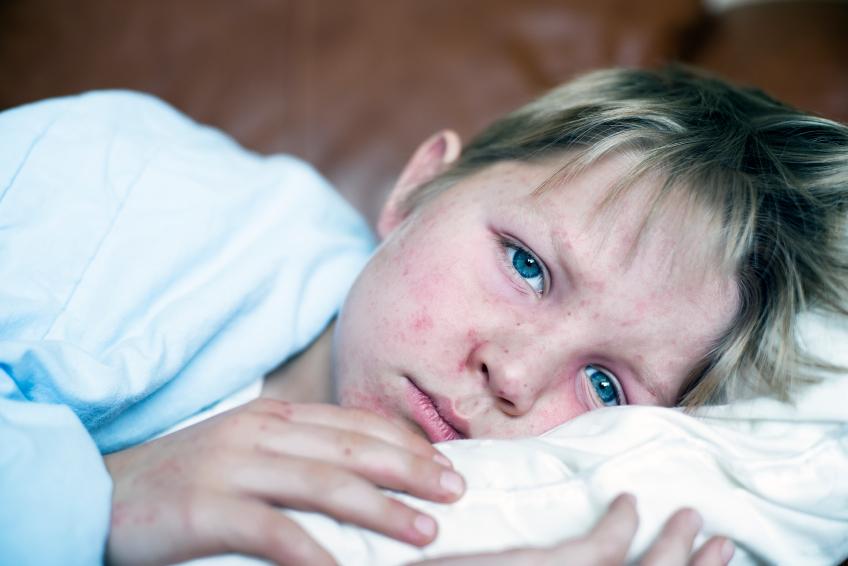
The Centers for Disease Control and Prevention (CDC) confirmed 53 new US measles cases this week, bringing the total for the year to 2,371 cases.
All but 16 of the cases were locally acquired in 45 US jurisdictions, with the rest tied to international travel, the CDC said in its weekly update. There have been 37 new measles outbreaks reported this year, with 94% of cases associated with outbreaks (defined as three or more cases).
The number of US measles cases as of July 30 has already surpassed the 2,289 reported for all of 2025. Both figures represent the highest annual number of cases in the nation since 1991. The United States was declared measles-free in 2000 but appears likely to lose its measles elimination status later this year, when officials with the Pan American Health Organization review transmission data.
Of the confirmed measles cases, 20% involve children under age 5 and 49% involve children aged 5 to 19. Seven percent of patients have been hospitalized, compared with 11% in 2025, and none have died. The vast majority (93%) of US measles patients are either unvaccinated or have unknown vaccine status.
31 more cases in Pennsylvania
Among the current measles hotspots is Pennsylvania, which has reported 31 new cases over the past seven days and now has 167 cases for the year, according to the Pennsylvania Department of Health. Officials in neighboring Ohio yesterday confirmed four new cases in unvaccinated individuals in Ashtabula and Tuscarawas counties. It’s Ohio’s third measles outbreak this year.
“It’s unfortunate that these outbreaks have become more common in Ohio over the past few years, because this disease is preventable,” Ohio Department of Health Director Bruce Vanderhoff, MD, MBA, said in a press release. “This serves to emphasize the importance of being fully vaccinated.”
Utah, the state with the largest active measles outbreak (514 cases in 2026), did not report any measles cases over the past week. Neighboring Arizona added one case this week, bringing its 2026 total to 120 cases.
Washington state added seven new cases this week, bringing its total for the year to 53 cases.
Huge Cyclospora outbreak spreads to 9 states