Introduction
Behind every vaccine, every surgical breakthrough, and every cancer therapy stands a scientist who asked a difficult question and refused to stop searching for answers.
Celebrate Scientists Day is more than a recognition of discovery. It is a reminder that scientific curiosity has transformed once-fatal illnesses into treatable conditions. From antibiotics to gene therapy, progress in medicine has extended life expectancy by decades and improved quality of life for millions.
At the heart of this progress lies Scientific Innovation in Medicine — the engine driving modern therapies, diagnostic precision, and survival against severe disease.
How have scientific breakthroughs reshaped the fight against the world’s most life-threatening illnesses?
Breakthroughs That Changed Survival
A century ago, bacterial infections such as pneumonia or sepsis were often fatal. The discovery of penicillin in 1928 marked the beginning of antibiotic therapy, revolutionizing infectious disease treatment.
Vaccination programs further transformed global health. Smallpox, once responsible for millions of deaths annually, was declared eradicated in 1980 following coordinated scientific efforts [1]. More recently, mRNA vaccine technology demonstrated its potential during the COVID-19 pandemic, accelerating vaccine development timelines dramatically [2].
In oncology, immunotherapy has redefined cancer treatment. Immune checkpoint inhibitors, such as PD-1 and CTLA-4 inhibitors, have significantly improved survival in melanoma and other advanced cancers [3]. What was once considered untreatable metastatic disease is now manageable for many patients.
These milestones reflect the power of sustained research investment and scientific collaboration.
Scientific Innovation in Medicine and Breakthrough Therapies
Chronic and life-threatening diseases have also seen profound therapeutic advances. Antiretroviral therapy converted HIV from a fatal diagnosis into a manageable chronic condition, reducing AIDS-related mortality by more than 50% globally since its peak [4].
Cardiology has evolved through minimally invasive procedures, advanced imaging, and life-saving interventions such as coronary stents and implantable defibrillators. Mortality from acute myocardial infarction has declined substantially over recent decades due to rapid diagnosis and intervention strategies.
In genetic medicine, CRISPR-based therapies now offer potential cures for inherited blood disorders such as sickle cell disease [5]. Precision medicine, guided by molecular profiling, enables targeted therapies tailored to individual patients.
Scientific Innovation in Medicine continues to reshape treatment possibilities once considered unreachable.
Data, Technology, and Precision
Modern medicine is increasingly data-driven. Artificial intelligence assists in diagnostic imaging, predicting disease progression, and identifying therapeutic targets. Robotic surgery enhances precision and reduces recovery time.
Large-scale genomic sequencing allows earlier detection of cancer mutations and inherited conditions. Personalized treatment regimens are guided by biomarkers rather than broad clinical categories.
Scientific progress is not limited to laboratories. It extends into digital health platforms, wearable monitoring devices, and telemedicine systems that improve access to care.
Innovation accelerates when disciplines converge — biology, engineering, informatics, and clinical science working together.
A One Health Perspective
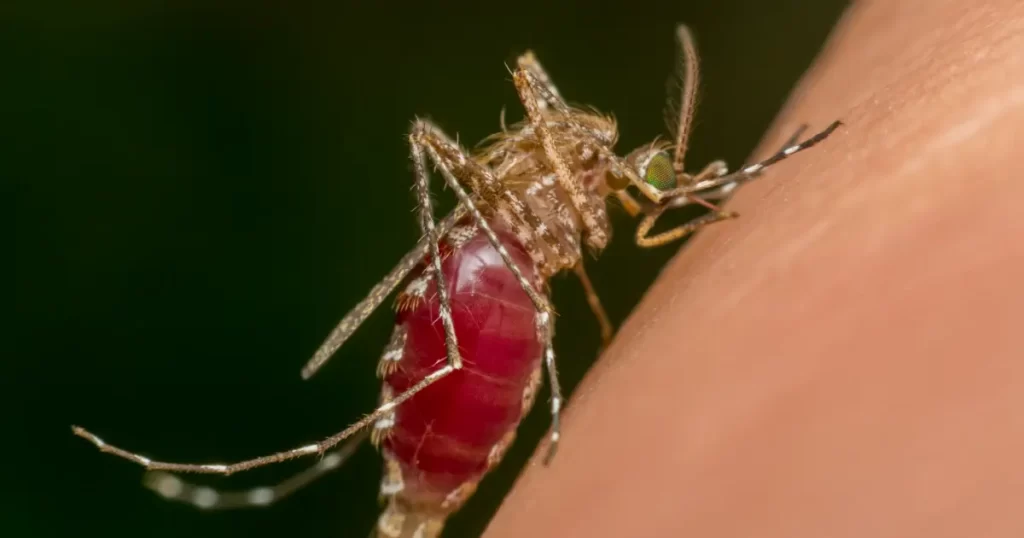
Scientific discovery also highlights the interconnected nature of human, animal, and environmental health. Many medical breakthroughs originate in comparative biology and zoonotic disease research. Vaccines, antimicrobial development, and emerging pathogen surveillance depend on integrated monitoring systems.
A One Health approach strengthens Scientific Innovation in Medicine by promoting collaboration across veterinary science, environmental research, and clinical medicine. Monitoring pathogens in animal populations helps prevent human outbreaks. Environmental research informs cancer risk reduction and respiratory health strategies.
Medical progress is most effective when it recognizes the interconnected systems influencing disease emergence and treatment outcomes.
Conclusion
Celebrate Scientists Day is a reminder that medical progress is built on persistence, evidence, and collaboration. From antibiotics and vaccines to immunotherapy and gene editing, scientific breakthroughs have reshaped survival against severe illness.
By advancing Scientific Innovation in Medicine, researchers continue to push the boundaries of what is treatable, preventable, and curable.
Behind every therapy that saves a life is a scientist who asked, “What if this could work?” — and proved that it could.
References
- Fenner, F. et al., 1988. Smallpox and Its Eradication. World Health Organization.
https://apps.who.int/iris/handle/10665/39485 - Pardi, N. et al., 2018. mRNA vaccines — a new era in vaccinology. Nature Reviews Drug Discovery, 17, pp.261–279.
https://doi.org/10.1038/nrd.2017.243 - Ribas, A. & Wolchok, J.D., 2018. Cancer immunotherapy using checkpoint blockade. Science, 359(6382), pp.1350–1355.
https://doi.org/10.1126/science.aar4060 - UNAIDS, 2023. Global HIV & AIDS statistics — Fact sheet.
https://www.unaids.org/en/resources/fact-sheet - Frangoul, H. et al., 2021. CRISPR-Cas9 gene editing for sickle cell disease. New England Journal of Medicine, 384, pp.252–260.
https://doi.org/10.1056/NEJMoa2031054