Introduction
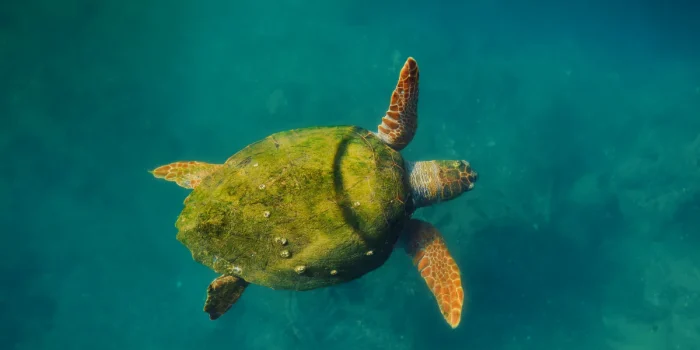
Sea turtles have crossed Earth’s oceans for more than 100 million years. They survived the extinction event that wiped out the dinosaurs, adapted to changing seas, and became part of some of the planet’s most important marine ecosystems. Yet today, these ancient navigators face threats unlike anything in their evolutionary history. Climate change, plastic pollution, coastal development, and industrial fishing are rapidly altering the environments sea turtles depend on for survival.
World Sea Turtle Day is more than a celebration of a remarkable species—it is a reminder of how human activity is reshaping marine life across the globe. Scientists are now uncovering alarming evidence that warming temperatures, habitat disruption, and ocean pollution are affecting sea turtle populations in ways that may alter their future permanently.
Can Sea Turtle Survival still be possible in an ocean changing faster than ever before?
Sea Turtle Survival and a Changing Climate
Climate change has become one of the greatest threats to sea turtles worldwide. Rising sea levels, warming ocean temperatures, and stronger coastal storms are damaging nesting beaches and disrupting migration routes.
One of the most concerning discoveries involves temperature-dependent sex determination. Unlike mammals, sea turtle sex is determined by sand temperature during egg incubation. Warmer sand produces more female hatchlings, while cooler temperatures produce males.
Research shows that some nesting populations are now producing overwhelmingly female offspring because of rising temperatures [1]. Scientists warn that severe sex imbalances may threaten long-term reproductive stability if warming trends continue.
Ancient Navigation in a Modern Ocean
Sea turtles are among the most extraordinary navigators in the animal kingdom. Hatchlings born on a beach may travel thousands of kilometres before returning to the same nesting area decades later.
Studies suggest that sea turtles use the Earth’s magnetic field as a biological map and compass for navigation [2]. However, artificial coastal lighting, underwater noise, and ocean pollution are disrupting these ancient migration systems and increasing mortality risks for both hatchlings and adults.
Plastic Pollution and Marine Health
Plastic pollution has become another major threat to Sea Turtle Survival. Floating plastic bags often resemble jellyfish, a common food source for several turtle species. Ingested plastic can block digestive systems, cause internal injury, and lead to starvation.
Marine researchers continue to document increasing levels of plastic contamination throughout ocean ecosystems [3]. Sea turtles are also vulnerable to entanglement in discarded fishing gear, often called “ghost nets,” which can cause drowning or severe injury.
Habitat Loss and Human Activity
Coastal development is rapidly transforming sea turtle nesting habitats. Hotels, roads, tourism infrastructure, and beachfront construction reduce the availability of safe nesting areas while increasing human disturbance.
Artificial lighting is especially dangerous for hatchlings, which naturally orient toward moonlight reflecting off the ocean. Bright coastal lights can disorient hatchlings and lead them inland, where many die from dehydration, predators, or traffic exposure.
Fishing operations also contribute to sea turtle mortality through accidental bycatch. Although conservation technologies such as Turtle Excluder Devices (TEDs) have improved protection in some fisheries, accidental capture remains a major concern worldwide [4].
A One Health Perspective
The story of Sea Turtle Survival reflects the broader connection between environmental, animal, and human health. Healthy oceans support biodiversity, fisheries, tourism economies, and climate regulation.
When marine ecosystems become polluted or destabilised, the effects extend beyond wildlife populations. Ocean degradation affects food systems, coastal resilience, and environmental sustainability across the planet.
The One Health approach highlights that protecting marine species also helps protect the ecosystems that sustain human life. Sea turtles are indicators of the health of the oceans themselves.
Conclusion
Sea turtles survived mass extinctions, shifting continents, and millions of years of environmental change. Today, however, human-driven environmental pressures are creating challenges faster than many species can adapt.
Climate change, plastic pollution, habitat destruction, and industrial activity are reshaping the future of marine ecosystems worldwide. Yet conservation efforts, scientific research, and global awareness campaigns continue to provide hope for protecting these ancient marine survivors.
World Sea Turtle Day reminds us that the future of Sea Turtle Survival depends on the choices humanity makes today. Protecting the oceans may ultimately determine whether these extraordinary animals continue to navigate the seas for generations to come.
References
- Jensen, M.P. et al., 2018. Environmental warming and feminization of one of the largest sea turtle populations in the world. Current Biology, 28(1), pp.154–159.
https://doi.org/10.1016/j.cub.2017.11.057 - Lohmann, K.J. et al., 2008. Geomagnetic maps and navigation in sea turtles. Proceedings of the National Academy of Sciences, 105(49), pp.19096–19101.
https://doi.org/10.1073/pnas.0801859105 - Wilcox, C. et al., 2018. Using expert elicitation to estimate the impacts of plastic pollution on marine wildlife. Marine Policy, 65, pp.107–114.
https://doi.org/10.1016/j.marpol.2015.10.014 - NOAA Fisheries, 2024. Sea Turtle Conservation and Threats.
https://www.fisheries.noaa.gov/sea-turtles