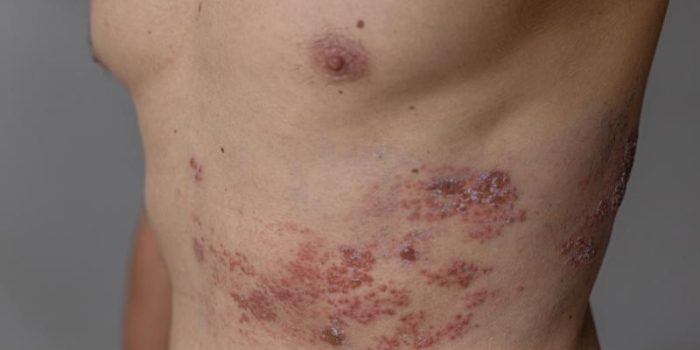
Receiving the recombinant zoster vaccine (RZV), which prevents herpes zoster (HZ), commonly known as shingles, within a year of entering or leaving a US nursing home dramatically lowers the risk of a dementia diagnosis for up to four years.
The study, published yesterday in the Annals of Internal Medicine, reinforces past observational research suggesting the same.
While previous research found that the live attenuated HZ vaccine reduced the likelihood of a dementia diagnosis, the researchers in this study wondered if RZV provided the same benefit. The paper found that receiving a dose of RZV was associated with a 5.8-percentage-point lower risk of a dementia diagnosis for up to four years.
“[That] translates to about one in 17 dementia cases potentially being prevented through vaccination,” lead author Kaley Hayes, PharmD, PhD, associate director of pharmacoepidemiology at the Brown University School of Public Health, told CIDRAP News. “We were honestly taken aback by the results. However, they actually are consistent with other studies that have primarily included the older form of the vaccine.”
An understudied population
For this study, Hayes and colleagues used a target emulation trial using the Medicare and electronic health records of people aged 66 or older admitted to nursing homes from January 2017 through December 2022. This allowed researchers to mimic a randomized controlled trial.
They posed the question, Would receiving an RZV dose within a year of an acute health event impact dementia risk?
The study included 509,926 people in 5,550 skilled nursing facilities and examined their medical records for up to four years after discharge. The researchers excluded people who died or previously had a dementia diagnosis. Of that remaining group, 8,843 (1.73%) had received at least one RZV dose within a year of discharge, with 87% being vaccinated after leaving the facility. The other 259,518 did not receive the vaccine.
In the four years after vaccination, RZV recipients were at a 24% lower risk of dementia than unvaccinated participants (relative risk, 5.8 percentage points).
Ebola outbreak in DR Congo expands into large displacement camp
The ‘diseases of crowds’ experts say could be at the World Cup