
As the world watched people receiving the first COVID-19 vaccines in December 2020, social media revealed joy, anger, and receding fear in the United States, according to a recent study in JAMA Network Open. The paper showed that social media can provide a richer understanding of the emotions people experience after a major public health achievement.
“These findings suggest that monitoring social media discourse can provide early signals of optimism, skepticism, and division, thereby informing targeted communication strategies,” wrote the authors, who were led by researchers at the National University of Singapore.
‘Relief and optimism’
The scientists examined more than 18 million geotagged posts from Twitter (now known as X) from 100 days before and after the rollout of the first COVID-19 vaccine. More than 1.9 million users from 3,065 counties created the posts.
These findings suggest that monitoring social media discourse can provide early signals of optimism, skepticism, and division, thereby informing targeted communication strategies.
Unsurprisingly, fear decreased when the vaccines were released. People living in Democratic counties experienced a bigger boost in joy, a larger dip in fear, and smaller increases in anger than those living in Republican areas. People in counties with high COVID-19 death rates also experienced less fear, but vaccine availability did not affect their joy or anger.
“The increase in joy aligns with previous research indicating that scientific breakthroughs, such as vaccine rollouts, are often associated with relief and optimism in the public,” the authors wrote.
In an accompanying commentary, Anish K. Agarwal, MD, MPH, and Rachel Solnick, MD, MSc, said the study showed that people feel a wide range of emotions when it comes to scientific advances. They believe that the anger revealed in posts could help doctors and public health experts address mistrust.
“The presence or rise in anger should not necessarily indicate failure; rather, it signals unresolved concerns at the intersection of people’s values, experiences, and expectations,” wrote Agarwal, from the Perelman School of Medicine at the University of Pennsylvania, and Solnick, from the Icahn School of Medicine at Mount Sinai. “The anger observed here represents an opportunity to listen and address potentially deep-seated questions and blind spots.”
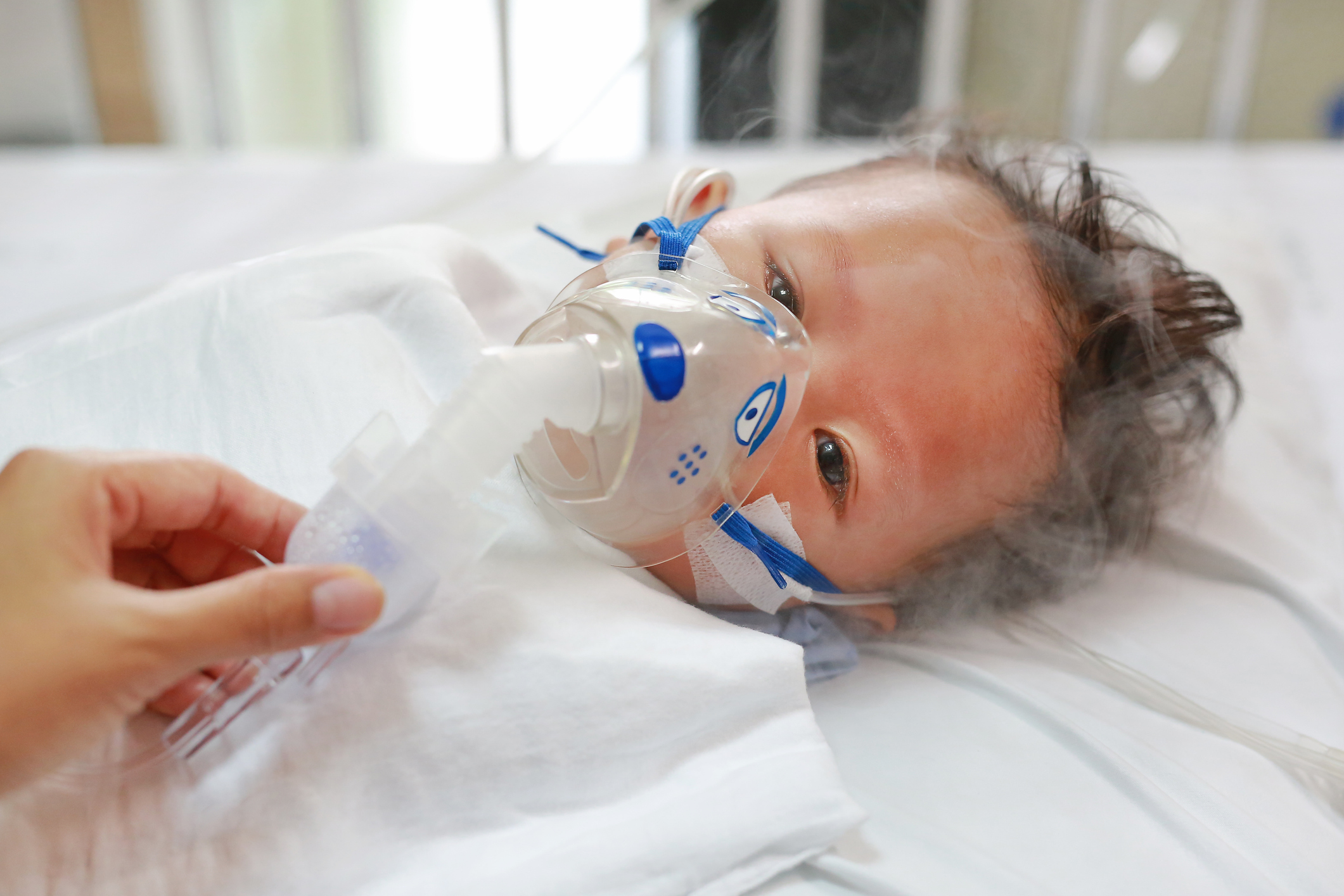
Women in eight countries often opted for the respiratory syncytial virus (RSV) vaccine during pregnancy and preferred this method of immunization to giving their babies the infant monoclonal antibody nirsevimab (Beyfortus), a study published in Vaccine found.
“The multinational study demonstrates high acceptance of maternal RSV vaccination and a predominant preference for this strategy over infant immunizations,” wrote the authors, who were led by researchers at the School of Health Sciences at the University of Applied Sciences and Arts Western Switzerland.
“These findings highlight the importance of tailored communication addressing pregnant individuals’ concerns about safety and efficacy, alongside policies that align with parental vaccination preferences to facilitate effective implementation,” they added.
70% prefer maternal vaccination
RSV can cause serious respiratory illness in infants, including bronchiolitis and pneumonia, and can even lead to death. Prior to RSV vaccine availability, RSV contributed to the hospitalization of 58,000 to 80,000 US children under 5 years each year, according to the Centers for Disease Control and Prevention.
When women receive the RSV Prefusion F vaccine during pregnancy, it provides enough protection that their babies normally do not need nirsevimab.
Our results, obtained from participants across diverse healthcare settings in multiple countries, reinforce the hypothesis that many pregnant individuals consider maternal RSV vaccination as an acceptable strategy to protect infants.
To understand vaccination preferences, scientists recruited 887 women from eight countries—Brazil, Canada, Colombia, Spain, France, Italy, Luxembourg, and Switzerland—from March 2024 to March 2025. Most women (76.1%) received the vaccine during pregnancy, and 10.8% had previously received it. More than two-thirds (69.8%) said they preferred receiving a vaccine than later giving their babies nirsevimab.
Moms who previously had babies in the neonatal intensive care unit, those who regularly receive vaccines, and women who view healthcare positively were most likely to be vaccinated. Those who experienced preeclampsia or worried about the risk of immunization during pregnancy were less likely to prefer maternal RSV vaccination.
“Our results, obtained from participants across diverse healthcare settings in multiple countries, reinforce the hypothesis that many pregnant individuals consider maternal RSV vaccination as an acceptable strategy to protect infants during the early months of life, with a predominant preference for this approach over child immunization,” the authors wrote.
Ebola deaths in Africa top 400 as Uganda reports death of child from Marburg
CIDRAP Op-Ed: Call it what it is—the US has lost its hold on measles elimination