Introduction
Ecosystems may appear stable, but their balance depends on a few critical players working behind the scenes. While countless species contribute to environmental stability, some have a disproportionately large impact.
National Wildlife Week is an opportunity to look closer at the natural systems that support life—and the species that quietly hold them together.
The concept of species that sustain ecosystems highlights how certain organisms regulate populations, recycle nutrients, and maintain biodiversity. When these species decline, entire systems can shift or collapse.
Understanding their role is not just about conservation—it is about recognizing how fragile balance can be.
So which species play the most essential roles in keeping ecosystems alive and balanced?
Species That Sustain Ecosystems: The Key Players
Not all species contribute equally. Some act as “keystone species,” meaning their presence has a major influence on ecosystem structure and function.
Here are five essential types of species that help ecosystems remain stable:
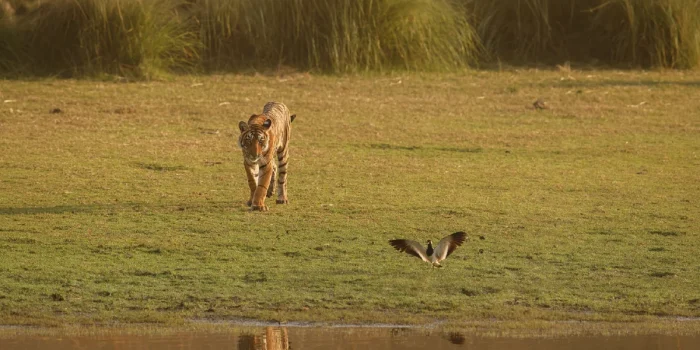
1. Predators That Control Populations
Top predators play a crucial role in regulating prey populations.
Without predators, certain species can overpopulate, leading to habitat degradation and resource depletion. For example, the reintroduction of wolves in Yellowstone National Park restored ecological balance by controlling deer populations and allowing vegetation to recover [1].
Predators help maintain structure within ecosystems by preventing imbalance.
2. Pollinators That Support Food Systems
Pollinators such as bees, butterflies, and birds are essential for plant reproduction.
They enable the growth of crops and wild plants that form the foundation of food systems. Without pollinators, many plant species—and the animals that depend on them—would decline.
Research shows that pollination is critical for biodiversity and global food security [2].
3. Decomposers That Recycle Nutrients
Decomposers, including fungi and bacteria, break down organic matter and return nutrients to the soil.
This process supports plant growth and maintains soil health. Without decomposers, ecosystems would accumulate waste and lose essential nutrients.
These organisms ensure that natural cycles continue efficiently.
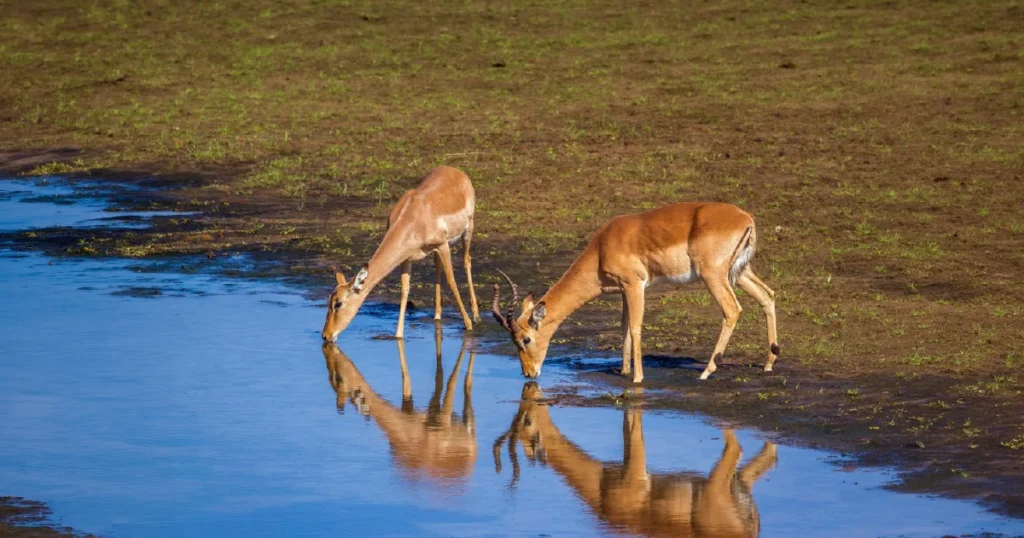
4. Herbivores That Shape Landscapes
Herbivores influence vegetation patterns and ecosystem structure.
By feeding on plants, they prevent overgrowth and promote biodiversity. In balanced systems, herbivores contribute to habitat diversity, which supports a wider range of species.
Their role connects plant systems with animal populations.
5. Ecosystem Engineers That Modify Environments
Some species physically alter their environment in ways that benefit others.
Beavers, for example, create wetlands by building dams. These wetlands support diverse species, improve water quality, and reduce flood risks.
Ecosystem engineers create habitats that would not exist otherwise, increasing biodiversity and resilience [3].
Why These Species Matter More Than We Think
The loss of key species can trigger cascading effects throughout ecosystems.
When one critical species disappears, it can disrupt food chains, reduce biodiversity, and weaken ecosystem resilience. These changes can also affect human systems, including food production and environmental stability.
Scientific evidence shows that biodiversity loss is directly linked to reduced ecosystem function and increased vulnerability to environmental stress [4].
Protecting these species is therefore essential for maintaining balance.
A One Health Perspective
The concept of species that sustain ecosystems reflects the interconnected nature of environmental and human systems.
- Environmental health: Biodiversity supports ecosystem stability and resilience
- Animal health: Balanced populations prevent disease spread and habitat disruption
- Human health: Stable ecosystems support food systems, clean water, and disease regulation
For example, pollinators support food production, while predators and biodiversity help regulate disease transmission [5].
A One Health perspective shows that protecting key species protects the systems that support all life.
Conclusion
National Wildlife Week reminds us that ecosystems depend on more than just numbers—they depend on balance. Species that sustain ecosystems play essential roles in maintaining that balance, often in ways that are not immediately visible. From predators to pollinators, each contributes to stability, resilience, and long-term sustainability. Protecting these species is not just about preserving nature—it is about maintaining the systems that make life possible.
Because when key species are protected, ecosystems—and everything connected to them—remain strong.
References
- Ripple WJ, Beschta RL (2012) Trophic cascades in Yellowstone: The first 15 years after wolf reintroduction. Biological Conservation.
Available at: https://pubmed.ncbi.nlm.nih.gov/22431763/ - Potts SG et al. (2010) Global pollinator declines: trends, impacts and drivers. Trends in Ecology & Evolution.
Available at: https://pubmed.ncbi.nlm.nih.gov/20188434/ - Naiman RJ et al. (1988) The role of beaver in altering stream ecosystems. BioScience.
Available at: https://academic.oup.com/bioscience/article/38/11/753/234099 - Cardinale BJ et al. (2012) Biodiversity loss and its impact on humanity. Nature.
Available at: https://pubmed.ncbi.nlm.nih.gov/22678280/ - Keesing F et al. (2010) Impacts of biodiversity on the emergence and transmission of infectious diseases. Nature.
Available at: https://pubmed.ncbi.nlm.nih.gov/21124449/