
.jpg)
Respiratory syncytial virus (RSV) was associated with 190,000 to 350,000 hospitalizations from July 1, 2024, to June 30, 2025, as well as 10,000 to 23,000 deaths, according to data published last month by the Centers for Disease Control and Prevention (CDC).
During the same time, COVID-19 was associated with an estimated 290,000 to 450,000 hospitalizations and 34,000 to 53,000 deaths.
COVID-19 continues to peak twice a year, according to the CDC. About 18% of COVID-19 cases during this period were reported in August, with a smaller surge in early January, when nearly 7% of cases were reported.
The highest COVID-19 hospitalization rates were in people age 75 and older, with 933 hospitalizations per 100,000 people; infants under six months, with 286 hospitalizations per 100,000 people; and adults age 65 to 74, with 274 hospitalizations per 100,000 people.
All SARS-CoV-2 viruses sequenced during this time are descendants of the JN.1 variant, making last year the first season without a new dominant strain replacement since the beginning of the COVID-19 pandemic.
The data were published February 19 in the CDC’s flagship publication, Morbidity and Mortality Weekly Report.
RSV poses the greatest threats to the youngest and oldest people
Although most people with RSV develop symptoms similar to a cold, some can become very sick and die from the virus, which tends to spread in fall and winter.
RSV-associated hospitalization rates were highest among babies under 1 year old, at a rate of 1,117 cases per 100,000 people, followed by children age 12 to 23 months (770 cases per 100,000 people) and adults age 75 or older (427 cases per 100,000).
During this time period, the percentage of positive RSV tests peaked at 11% during the week ending December 21, 2024. RSV was reported at epidemic levels from November 9, 2024, to March 29, 2025.
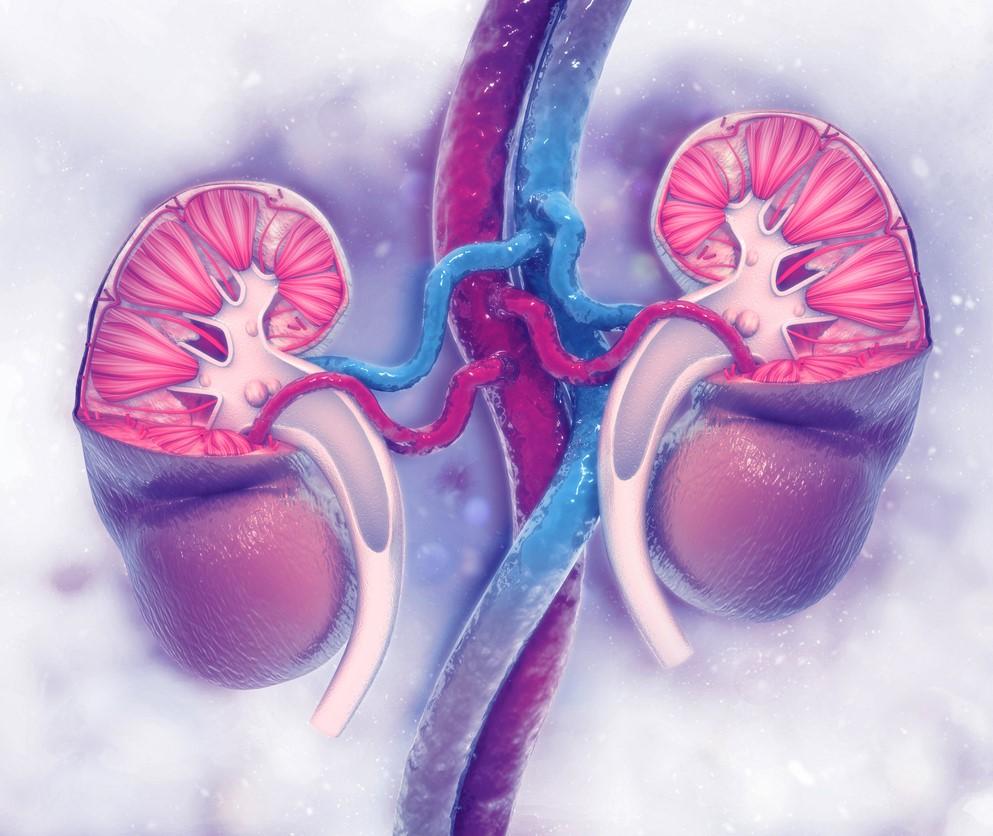
COVID-19 infection is a significant predictor of chronic kidney disease (CKD), acute kidney injury (AKI), end-stage renal disease (ESRD), and kidney failure, suggests a study by Penn State researchers published in Communications Medicine.
The team analyzed the link between COVID-19 infection and new-onset kidney diseases and compared it with the association between influenza and these diseases using the records of more than 3 million people in 2020 and 2021. The study included 939,241 COVID-19 patients, 1.9 million people in the negative control group, and 199,071 flu patients. Median follow-up was 324 days.
Roughly one in seven US adults has kidney disease, which impairs the organs’ ability to filter the blood, potentially leading to kidney failure, heart attack, or stroke over time.
“Most people aren’t diagnosed until the disease has progressed to an advanced stage,” senior author Dijbril Ba, PhD, MPH, said in a Penn news release. “We need a better way to predict who is at risk, who is more likely to develop kidney disease so that we can detect and intervene earlier.”
Over 3 times the risk of end-stage kidney disease
COVID-19 survivors were at 4.7 times the risk for kidney failure, 2.7 times the risk for AKI, 1.4 times the risk for CKD, 3.2 times the risk for ESRD, and 1.3 times the risk for glomerular (filtering unit) diseases, while influenza wasn’t associated with CKD, ESRD, or glomerular diseases. Time-specific analyses indicated that COVID-19 has stronger effects on AKI in the short term but stable long-term effects on CKD.
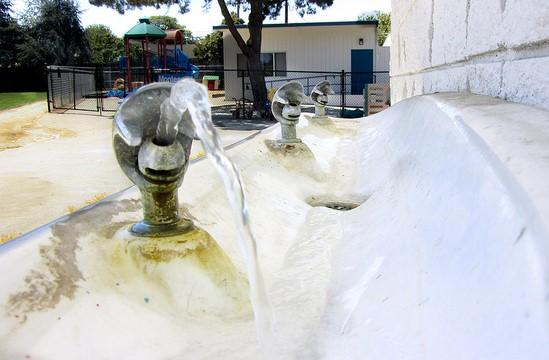
A study in Clinical Infectious Diseases ties Legionella links pneumonia to high 30-day death rates, especially in patients who are older or have underlying cirrhosis, a weakened immune system, or lymphopenia (low level of lymphocyte white blood cells).
Investigators at Mayo Clinic in Phoenix and Rochester, Minnesota, mined the electronic health records of 344 adults diagnosed as having Legionella pneumonia from January 2019 to September 2025. The median patient age was 66.6 years, and 45.1% had an impaired immune system.
Legionella species are aerobic, Gram-negative bacteria that are ubiquitous in natural fresh water and can multiply in settings such as building plumbing, cooling towers, and water features, the authors noted. “Human infection occurs primarily through inhalation or aspiration of aerosolized contaminated water,” they wrote.
Urine antigen testing misses many infections
Most patients (94.2%) were hospitalized, 36.1% were admitted to the intensive care unit, 22.7% needed mechanical ventilation, and 1.5% received extracorporeal membrane oxygenation. Thirty- and 90-day death rates were 11.9% and 16.6%, respectively.
Our findings also demonstrate that reliance on a single diagnostic modality—most notably urinary antigen testing—would have missed a significant proportion of cases.
A multivariable analysis linked cirrhosis at presentation to higher death rates, although the association was uncertain (odds ratio [OR], 10.2; 95% confidence interval, 2.15 to 48.3). Also, a weakened immune system (OR, 2.24), older age (OR, 1.03), and lymphopenia (OR, 2.09) were independently associated with higher death rates.
Among patients who were positive for Legionella infection via polymerase chain reaction (PCR) or culture positive, urinary antigen testing was positive in only 25.6% of samples.
Common symptoms were shortness of breath (61.1%), fever (53.2%), and/or cough, which was dry in 32.0% and productive in 24.7%. In total, 27.6% of patients reported gastrointestinal symptoms, while 11.9% reported noted changes in mentation.
The findings highlight the interplay of between host vulnerability and respiratory failure and death, the researchers said. “Our findings also demonstrate that reliance on a single diagnostic modality—most notably urinary antigen testing—would have missed a significant proportion of cases, emphasizing the importance of PCR-based assays in patients with suspected Legionella pneumonia,” they concluded.