Introduction
Insects influence human health in ways that extend far beyond ecosystems and biodiversity. The growing threat of Vector-Borne Disease Risks is becoming a major global health concern as mosquitoes, ticks, and other disease-carrying insects continue to spread infections across changing environments. Diseases such as malaria, dengue fever, West Nile virus, and Zika virus affect millions of people worldwide and remain closely linked to environmental and climate conditions.
Insect Week highlights the complex relationship between insects, ecosystems, and public health. Scientists are increasingly studying how climate change, urbanisation, global travel, and habitat disruption are altering insect populations and shifting disease transmission patterns. While insects play essential ecological roles, certain species also pose major health risks when environmental conditions support rapid population growth and disease spread.
How will Vector-Borne Disease Risks continue to shape public health in a rapidly changing world?
Vector-Borne Disease Risks and Mosquito Expansion
Mosquitoes are among the most important disease vectors affecting human populations worldwide. Species such as Aedes aegypti and Anopheles mosquitoes transmit viruses and parasites responsible for major infectious diseases.
Scientific evidence shows that warming temperatures and changing rainfall patterns are expanding mosquito habitats into new geographic regions [1]. Areas previously considered lower risk may now face increasing exposure to mosquito-borne illnesses as climate conditions become more suitable for vector survival.
Longer warm seasons may also increase mosquito breeding cycles and extend transmission periods in vulnerable regions.
Climate Change and Disease Transmission
Climate change is influencing both insect behaviour and disease transmission dynamics. Rising temperatures affect mosquito development, biting frequency, and pathogen replication rates.
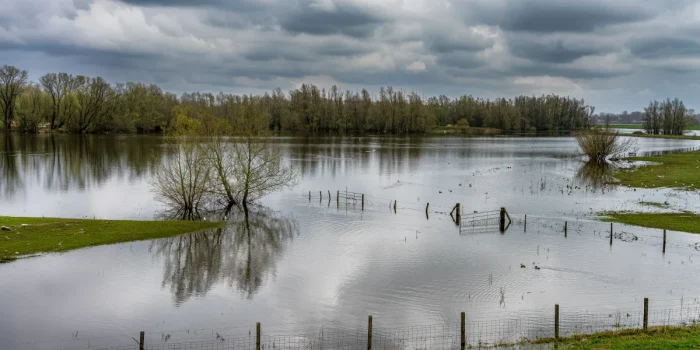
Research demonstrates that climate-related environmental changes can increase the spread of dengue fever, malaria, and other vector-borne diseases [2]. Flooding, standing water, and extreme weather events also create ideal breeding environments for mosquitoes in urban and rural communities.
Scientists warn that climate pressures may continue reshaping disease patterns during the coming decades, increasing the need for stronger surveillance and prevention systems.
Urbanisation and Environmental Pressure
Rapid urbanisation is also contributing to changing insect populations and disease risks. Poor drainage systems, overcrowded housing, waste accumulation, and limited sanitation create environments where mosquitoes can thrive.
Studies show that densely populated urban regions are increasingly vulnerable to mosquito-borne disease outbreaks [3]. Global travel and trade may further accelerate the spread of invasive mosquito species into new environments.
Improving environmental management and urban infrastructure is therefore essential for reducing public health risks associated with vector-borne diseases.
Balancing Ecosystem Roles and Public Health
Although mosquitoes and other vectors can spread disease, insects also remain essential components of healthy ecosystems. Many insect species contribute to pollination, nutrient recycling, and biodiversity stability.
Balanced environmental approaches are therefore critical. Excessive pesticide use may harm beneficial insect populations and disrupt ecosystems, while ineffective vector control can increase disease transmission risks.
Research increasingly supports integrated vector management strategies that combine environmental monitoring, habitat reduction, biological controls, and public health education [4]. These approaches help reduce disease risks while limiting unnecessary environmental harm.
A One Health Perspective
The concept of Vector-Borne Disease Risks strongly aligns with the One Health approach, which recognises the connection between environmental, animal, and human health.
Environmental changes affecting insect populations may directly influence infectious disease transmission, wildlife health, and community resilience. Climate instability, biodiversity shifts, and urban expansion all contribute to changing vector ecology worldwide.
Integrated strategies that combine environmental management, disease surveillance, climate adaptation, and public health planning are essential for reducing future outbreak risks. One Health highlights that protecting ecosystems and strengthening public health systems must work together to address emerging vector-borne threats.
Conclusion
Insects continue to shape human health in complex and evolving ways. The growing challenge of Vector-Borne Disease Risks demonstrates how closely climate systems, environmental conditions, and public health are connected.
Climate change, urbanisation, and ecological disruption are altering insect populations and reshaping disease transmission patterns worldwide. Yet scientific research, improved surveillance systems, and sustainable environmental management continue to strengthen global preparedness against future outbreaks.
Insect Week reminds us that understanding insects is not only an environmental issue—it is an essential part of protecting the future of global health.
References
- Ryan, S.J. et al., 2019. Global expansion and redistribution of Aedes-borne virus transmission risk with climate change. PLoS Neglected Tropical Diseases, 13(3), e0007213.
https://doi.org/10.1371/journal.pntd.0007213 - WHO, 2023. Vector-borne diseases.
https://www.who.int/news-room/fact-sheets/detail/vector-borne-diseases - Weaver, S.C. and Reisen, W.K., 2010. Present and future arboviral threats. Antiviral Research, 85(2), pp.328–345.
https://doi.org/10.1016/j.antiviral.2009.10.008 - Wilson, A.L. et al., 2020. The importance of vector control for the control and elimination of vector-borne diseases. PLoS Neglected Tropical Diseases, 14(1), e0007831.
https://doi.org/10.1371/journal.pntd.0007831