Introduction
Veterinarians rarely stand in the spotlight, yet their work shapes the foundations of global wellbeing. On the International Day of Veterinary Medicine, we celebrate a profession whose influence reaches far beyond treating pets. The term Veterinary Medicine Impact reflects how every diagnosis, field mission, and scientific breakthrough strengthens the health of animals, communities, and ecosystems.
Across farms, clinics, wildlife sanctuaries, and laboratories, veterinarians confront challenges that define our collective future—biodiversity loss, emerging diseases, food insecurity, and environmental change. Their role is both scientific and deeply human, grounded in compassion, curiosity, and courage.
As the world grows more interconnected, how do these specialists quietly safeguard life across the planet?
More Than Medicine: The Art of Solving the Unseen
Veterinarians are skilled puzzle-solvers. Their patients cannot describe symptoms, so each case begins with observation, pattern recognition, and scientific intuition. A fever in a goat may signal a regional outbreak, while a stranded dolphin can reveal ocean contamination. A coughing parrot might even uncover an illegal wildlife trade network.
This detective-like approach demands a vast scientific toolkit. Because veterinarians regularly switch between species with distinct anatomies and behaviors, making adaptability and creativity essential. These skills prepare them to respond to an increasingly unpredictable world where health threats move rapidly across species and borders.
Veterinary Medicine Impact in Global Health Progress
Veterinarians have contributed to some of the most important public-health achievements. Rabies control programs, livestock-disease eradication campaigns, and food safety systems all emerged from veterinary surveillance and global collaboration [1]. Wildlife disease monitoring—essential for detecting new pathogens before they circulate widely—relies heavily on their early-warning networks [2].
During natural disasters, veterinary teams help protect displaced animals, prevent secondary outbreaks, and restore community food systems. Their work quietly strengthens environmental protection, conservation biology, and global resilience.
The Evolving Landscape of Veterinary Science
Today, veterinary medicine is expanding into new scientific frontiers. Some professionals use drone imaging, geospatial analytics, and smart-collar monitoring to track livestock behavior and health in real time [3]. Some specialize in marine veterinary science, studying how warming oceans affect coral reefs, fisheries, and marine mammals.
Veterinarians also play a major role in confronting modern threats such as climate-driven disease shifts and antimicrobial resistance. Their expertise increasingly supports comparative medicine, which examines diseases shared between humans and animals to accelerate biomedical breakthroughs [4]. This research drives innovation across cancer treatment, metabolic diseases, and infectious-disease evolution.
Where Compassion Meets Courage
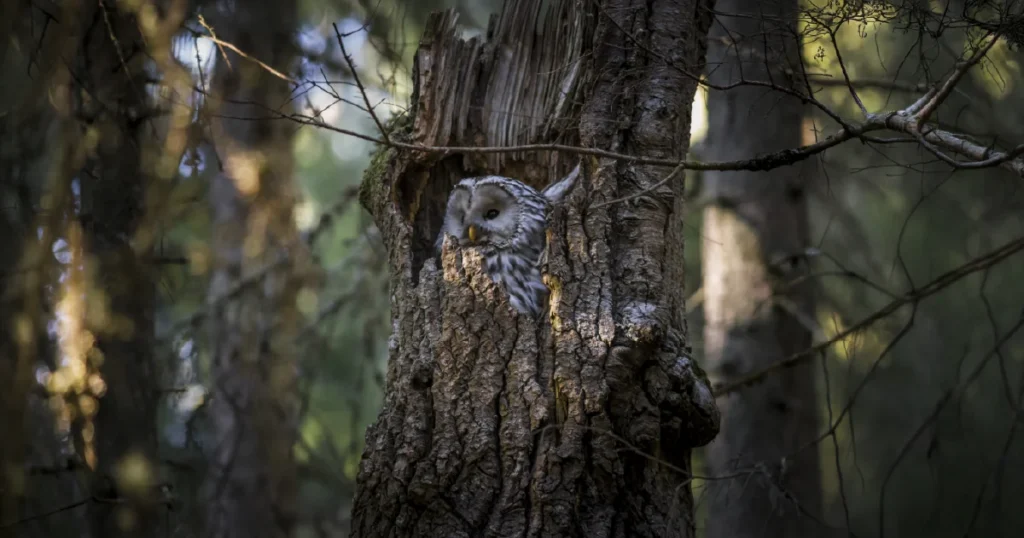
Despite the scientific demands, veterinary work is profoundly emotional. Treating a frightened horse during a storm, rehabilitating an injured owl, or supporting a family through the loss of a beloved companion animal requires empathy and resilience.
In many rural areas, veterinarians often work long hours with limited resources, yet remain committed to serving animals and the families who depend on them. This emotional labor often goes unseen, but it lies at the heart of the profession.
A One Health Approach
Veterinary medicine naturally aligns with the One Health model because veterinarians observe daily how human, animal, and environmental health intersect. Surveillance of livestock diseases prevents foodborne outbreaks, while wildlife monitoring uncovers shifts in ecosystems long before they reach human communities. Environmental assessments track pollution, habitat stress, and shifting disease patterns [5].
Collaboration among clinicians, ecologists, public-health agencies, and policymakers, strengthens global early-warning systems and helps stop emerging health threats before they intensify. This integrated approach transforms local observations into global resilience—showing that protecting animals and ecosystems ultimately protects every community.
Conclusion
Veterinary medicine is, at its core, a story of connection—between species, ecosystems, and the future we share. On this international day, we honor the individuals whose dedication quietly protects life at every level. Their work affirms a simple truth: protecting animals ultimately protects us all.
References
- Taylor, L.H., Latham, S.M. & Woolhouse, M.E.J. (2019) Veterinary medicine’s increasing role in global health. The Lancet Global Health. Available at: https://www.sciencedirect.com/science/article/pii/S2214109X14702554
- Overcast, M. et al. (2025) ‘Veterinary clinicians as One Health messengers: opportunities for preventing zoonoses while promoting biophilia in the United States.’ Frontiers in Conservation Science. Available at: https://www.frontiersin.org/articles/10.3389/fcosc.2025.1587169/full
- Food and Agriculture Organization of the United Nations (FAO) (2024) Digital technologies in livestock systems. Available at: https://www.fao.org/3/cc0413en/cc0413en.pdf
- National Institutes of Health (NIH) (2023) ‘Comparative Medicine and Translational Research.’ National Institutes of Health. Available at: https://www.ncbi.nlm.nih.gov/pmc/articles/PMC9306735/
- Pappaioanou, M. & Kane, T.R. (2023) ‘Addressing the urgent health challenges of climate change and ecosystem degradation from a One Health perspective: what can veterinarians contribute?’ Journal of the American Veterinary Medical Association, 261(1). Available at: https://avmajournals.avma.org/view/journals/javma/261/1/javma.22.07.
0315.xml