Introduction
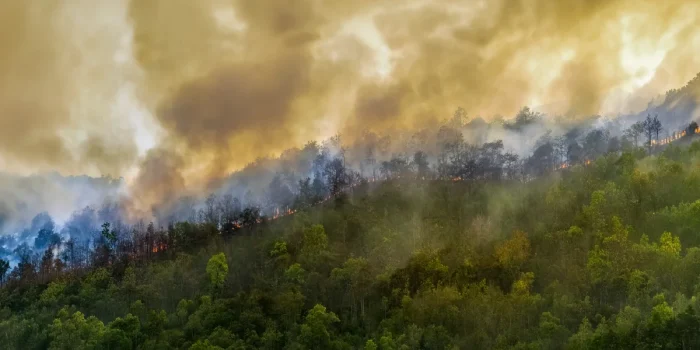
Wildfires are becoming more frequent and intense, driven by rising temperatures, prolonged droughts, and changing land-use patterns. Each year, communities around the world face devastating losses as fires spread rapidly across landscapes, destroying homes, ecosystems, and critical infrastructure.
Wildfire Preparedness Day highlights the importance of planning ahead to reduce risk and protect both people and the environment. Wildfire preparedness safety is not only about responding to emergencies—it is about preventing damage before it occurs and reducing the health risks that follow.
Smoke exposure, injuries, and environmental contamination can have lasting effects on public health. Preparing in advance can significantly lower these risks and improve survival outcomes.
How can simple preparedness steps make a difference when wildfires strike?
Why wildfire preparedness safety matters
Wildfires pose serious threats beyond immediate flames. Smoke from burning vegetation and materials releases fine particulate matter (PM2.5), which can penetrate deep into the lungs and bloodstream [3]. Exposure is linked to respiratory illness, cardiovascular problems, and increased hospital admissions [1].
In addition, wildfires can contaminate air, soil, and water systems. Burned materials release toxic substances that affect both human populations and ecosystems. Disruptions to infrastructure may limit access to healthcare, clean water, and safe shelter.
Wildfire preparedness safety helps reduce these impacts by ensuring communities are ready to act quickly and effectively before conditions worsen.
Understanding wildfire risk factors
Wildfire behavior is influenced by environmental conditions such as temperature, humidity, wind, and vegetation type. Dry conditions and strong winds can cause fires to spread rapidly, making them difficult to control.
Human activity also plays a major role. Many wildfires are caused by unattended campfires, equipment use, or electrical failures. As urban areas expand into wildland regions, the risk of fire exposure increases.
Climate change is intensifying these risks by creating longer fire seasons and drier landscapes. Studies show that warming temperatures are closely linked to increased wildfire activity globally [2].
Recognizing these factors is essential for effective preparedness and risk reduction.
Practical wildfire preparedness safety steps
Taking action before wildfire season begins can significantly reduce danger. Homeowners should create defensible space by clearing dry vegetation, leaves, and debris around buildings. Maintaining this buffer zone helps slow the spread of fire and provides firefighters with safer access.
Emergency planning is equally important. Families should develop evacuation plans, identify safe routes, and prepare emergency kits with essential supplies such as water, medications, and protective masks.
Monitoring local alerts and weather conditions allows for early response. When evacuation orders are issued, acting quickly can save lives. Delays increase exposure to smoke, heat, and rapidly changing fire conditions.
Communities also benefit from coordinated preparedness efforts, including firebreak construction, public awareness campaigns, and emergency response training.
Health impacts and community protection
Wildfires have both immediate and long-term health effects, including respiratory and cardiovascular complications linked to climate-driven fire activity [4]. In addition to burns and injuries, prolonged smoke exposure can worsen chronic conditions such as asthma and heart disease. Vulnerable populations, including children and older adults, are particularly at risk.
Preparedness measures such as air filtration, use of protective masks, and access to clean indoor environments can reduce exposure. Healthcare systems must also be prepared to respond to increased demand during wildfire events.
Environmental recovery is another critical aspect. Burned ecosystems take time to regenerate, and loss of vegetation can lead to soil erosion and water contamination. Protecting natural landscapes before fires occur helps maintain ecosystem stability and reduces long-term damage.
A One Health Perspective
Wildfire preparedness safety reflects the connection between environmental conditions, human health, and ecosystem stability. Fires disrupt habitats, displace wildlife, and alter disease patterns, increasing the risk of health impacts across multiple systems.
By reducing wildfire risk, communities protect not only themselves but also the surrounding environment. Preparedness strengthens resilience and supports recovery across human and ecological systems.
Conclusion
Wildfire Preparedness Day is a reminder that preparation saves lives. Wildfire preparedness safety is a critical step in reducing risk, protecting health, and preserving communities in the face of growing environmental challenges.
Simple actions—clearing vegetation, planning evacuations, and staying informed—can make a significant difference when fires occur. As wildfire risks continue to rise, proactive planning becomes essential for safeguarding both people and the environment.
Preparedness today is the foundation for survival tomorrow.
References
- Liu, J.C., Mickley, L.J., Sulprizio, M.P., Dominici, F., Yue, X., Ebisu, K., Anderson, G.B., Khan, R.F.A., Bravo, M.A. and Bell, M.L., 2017. Particulate air pollution from wildfires in the Western US under climate change. Climatic Change, 138(3–4), pp.655–666. Available at:
https://doi.org/10.1007/s10584-016-1762-6 - Abatzoglou, J.T. and Williams, A.P., 2016. Impact of anthropogenic climate change on wildfire across western US forests. Proceedings of the National Academy of Sciences, 113(42), pp.11770–11775. Available at:
https://doi.org/10.1073/pnas.1607171113 - Johnston, F.H., Borchers-Arriagada, N., Morgan, G.G., Jalaludin, B., Palmer, A.J., Williamson, G.J. and Bowman, D.M.J.S., 2020. Unprecedented health costs of smoke-related PM2.5 from the 2019–20 Australian megafires. Nature Sustainability, 4, pp.42–47. Available at:
https://doi.org/10.1038/s41893-020-00610-5 - Xu, R., Yu, P., Abramson, M.J., Johnston, F.H., Samet, J.M., Bell, M.L., Haines, A., Ebi, K.L., Li, S. and Guo, Y., 2020. Wildfires, global climate change, and human health. New England Journal of Medicine, 383, pp.2173–2181. Available at:
https://doi.org/10.1056/NEJMsr2028985