Introduction
Each year on March 3, World Wildlife Day highlights the importance of wild fauna and flora in sustaining life on Earth. Biodiversity is not simply an environmental concern. It underpins food systems, climate stability, economic resilience, and disease regulation. The connection between Wildlife and Planetary Health reminds us that ecosystem preservation directly influences human and animal well-being.
Wildlife populations are declining at unprecedented rates. The Living Planet Index reports an average 69% decline in monitored vertebrate populations since 1970 [1]. Habitat destruction, agricultural expansion, climate change, pollution, and overexploitation continue to fragment ecosystems worldwide. These pressures weaken ecological systems that regulate temperature, water cycles, soil health, and pathogen dynamics. The consequences extend beyond ecological imbalance — they influence disease emergence, food security, and environmental stability across regions.
How does protecting biodiversity support global health security?
Biodiversity Loss and Ecosystem Stability
Healthy ecosystems provide essential services that sustain life. Forests regulate rainfall and absorb carbon dioxide. Wetlands filter pollutants and reduce flood risk. Oceans stabilize global temperatures and support marine food chains. When wildlife populations decline, these systems lose balance and resilience.
Scientific evidence shows that biodiversity loss reduces ecosystem productivity and stability, making environments more vulnerable to extreme weather events and long-term climate shifts [2]. Diverse ecosystems recover more quickly from disturbances because multiple species contribute to ecological function. When species disappear, recovery capacity declines.
Forests, wetlands, and marine environments also act as major carbon sinks. When degraded through deforestation, mining, or land conversion, they release stored carbon, accelerating global warming. The Intergovernmental Science-Policy Platform on Biodiversity and Ecosystem Services (IPBES) estimates that nearly one million species face extinction due to human activities [3]. This scale of loss threatens pollination systems, freshwater supplies, and agricultural productivity.
Protecting biodiversity therefore safeguards the environmental foundations of public health.
Wildlife and Planetary Health and Disease Prevention
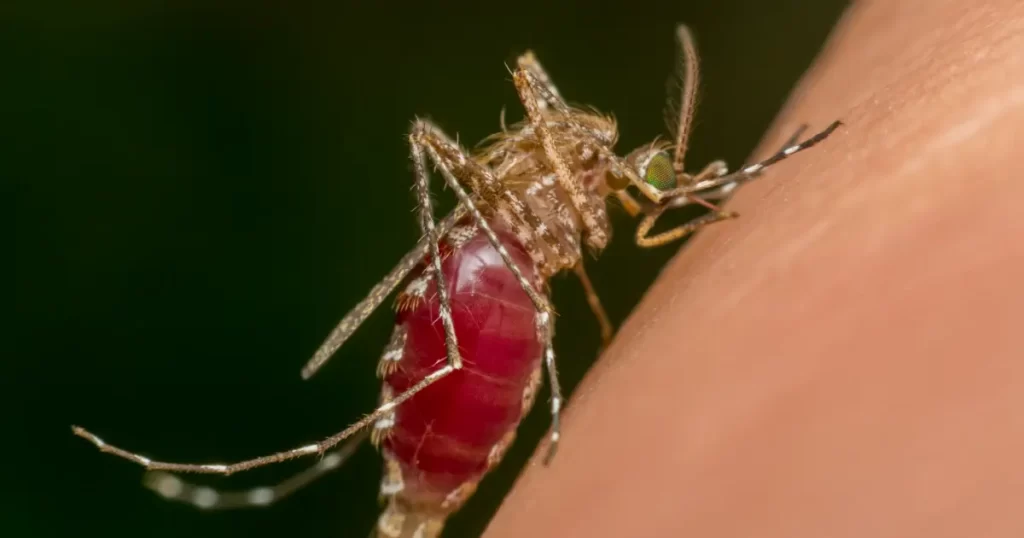
Emerging infectious diseases often arise where wildlife, livestock, and human populations interact. More than 60% of emerging infectious diseases are zoonotic, and most originate in wildlife reservoirs [4]. Habitat fragmentation and land-use change increase human-wildlife contact, raising the likelihood of pathogen spillover.
Research published in Nature demonstrates that biodiversity disruption can increase the presence of species that efficiently transmit zoonotic pathogens [5]. When ecosystems are simplified, adaptable species that tolerate disturbed environments often dominate. Some of these species are known disease carriers, increasing outbreak risk.
Strengthening Wildlife and Planetary Health reduces these risks by preserving intact habitats and maintaining ecological buffers. Balanced ecosystems regulate species interactions, reduce wildlife stress, and limit abnormal pathogen transmission patterns. Conservation becomes not only an environmental strategy but also a preventive health measure.
In this sense, biodiversity protection supports global health preparedness.
Economic Stability and Food Systems
Wildlife and biodiversity sustain economies and food systems worldwide. Nature-based tourism generates billions in revenue annually and supports millions of livelihoods [6]. Fisheries depend on healthy marine ecosystems to maintain stable fish stocks. Pollinators such as bees and butterflies contribute significantly to agricultural productivity.
When wildlife populations decline, these economic systems weaken. Reduced fish stocks threaten coastal food security. Pollinator loss decreases crop yields. Forest degradation alters rainfall patterns, affecting agriculture and water supplies.
Protecting biodiversity strengthens economic resilience and ensures stable access to food and natural resources.
Climate Change and Biodiversity Protection
Climate change intensifies pressures on wildlife through rising temperatures, shifting habitats, and altered migration patterns. Species unable to adapt face declining populations or extinction. Coral bleaching, Arctic habitat loss, and shifting species ranges illustrate these accelerating impacts.
At the same time, biodiversity protection enhances climate mitigation. Forest conservation, wetland restoration, and sustainable land management increase carbon sequestration and improve ecosystem resilience [3]. Natural ecosystems serve as climate buffers, reducing the severity of environmental shocks.
The relationship between Wildlife and Planetary Health underscores that conservation and climate stability are inseparable. Protecting ecosystems helps regulate global systems that sustain life.
A One Health Approach
Wildlife conservation is inseparable from human and animal health. A One Health framework recognizes that ecosystems, wildlife populations, domestic animals, and human communities are interconnected systems. When biodiversity declines, ecological balance shifts, increasing zoonotic disease risk, weakening food security, and reducing environmental resilience.
Protecting forests, wetlands, oceans, and wildlife habitats strengthens disease regulation, stabilizes climate systems, and safeguards agricultural productivity. Preserving biodiversity therefore becomes both a conservation strategy and a preventive public health measure.
Conclusion
World Wildlife Day reminds us that biodiversity loss is not a distant environmental issue. It is a global health concern with measurable ecological, economic, and epidemiological consequences.
By prioritizing Wildlife and Planetary Health, we protect carbon sinks, reduce zoonotic disease risk, strengthen food systems, and support long-term climate resilience. Conservation safeguards the natural systems that sustain agriculture, freshwater, and public health infrastructure.
Wildlife conservation is foundational to sustaining life on Earth — for ecosystems, animal populations, and humanity alike.
References
- WWF, 2022. Living Planet Report 2022. Available at: https://livingplanet.panda.org/en-US/
- Cardinale, B.J. et al., 2012. Biodiversity loss and its impact on humanity. Nature, 486, pp.59–67.
https://doi.org/10.1038/nature11148 - IPBES, 2019. Global Assessment Report on Biodiversity and Ecosystem Services. Available at:
https://ipbes.net/global-assessment - Jones, K.E. et al., 2008. Global trends in emerging infectious diseases. Nature, 451, pp.990–993.
https://doi.org/10.1038/nature06536 - Gibb, R. et al., 2020. Zoonotic host diversity increases in human-dominated ecosystems. Nature, 584, pp.398–402.
https://doi.org/10.1038/s41586-020-2562-8 - World Bank, 2021. The Economic Case for Nature. Available at: https://openknowledge.worldbank.org/handle/10986/35882