Introduction
When a species disappears, the loss extends far beyond a single animal. It may signal that an ecosystem is becoming less resilient, that environmental conditions are changing, or that new health risks are emerging. Increasingly, scientists view wildlife not only as something to protect but also as one of the world’s most valuable indicators of environmental and public health. Evidence that Wildlife Conservation Matters continues to grow as researchers uncover links between biodiversity, ecosystem stability, and human well-being.
National Wildlife Day celebrates the remarkable diversity of life on Earth while recognizing wildlife conservation’s new scientific era. Advances in satellite technology, environmental DNA (eDNA), artificial intelligence, and wildlife disease surveillance are transforming how researchers understand and protect biodiversity.
Could protecting wildlife be one of the most effective ways to protect ecosystems, public health, and our shared future?
Wildlife Conservation Matters for Healthy Ecosystems
Every ecosystem depends on thousands of interactions among plants, animals, fungi, and microorganisms. Pollinators support food production, predators regulate prey populations, scavengers recycle nutrients, and countless other species help maintain ecological balance.
When biodiversity declines, these ecological processes become less stable. Research shows that ecosystems with greater biodiversity are generally more resilient to disturbances such as extreme weather, invasive species, and environmental change [1].
Healthy wildlife populations therefore contribute to ecosystem resilience, benefiting both nature and the communities that depend on it.
Wildlife as an Early Warning System
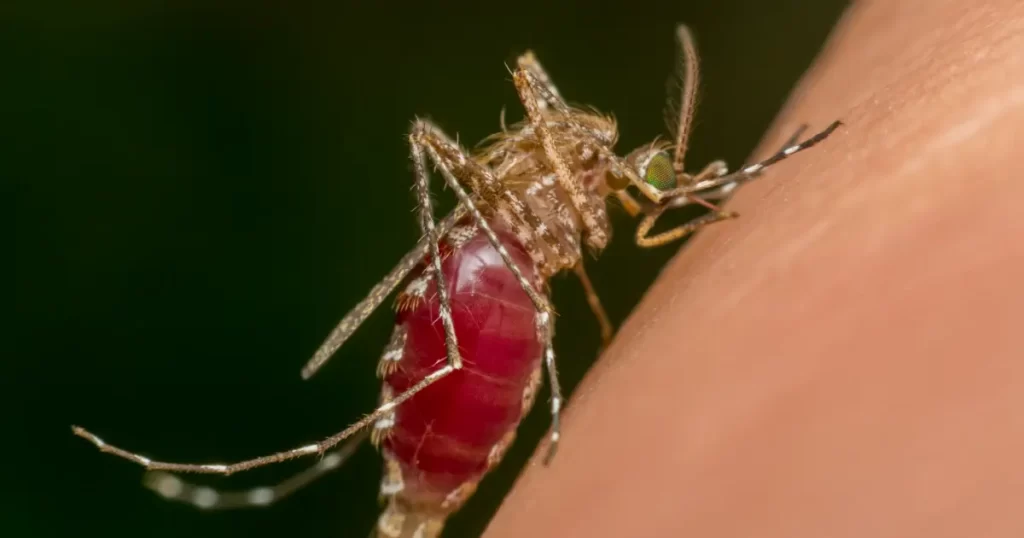
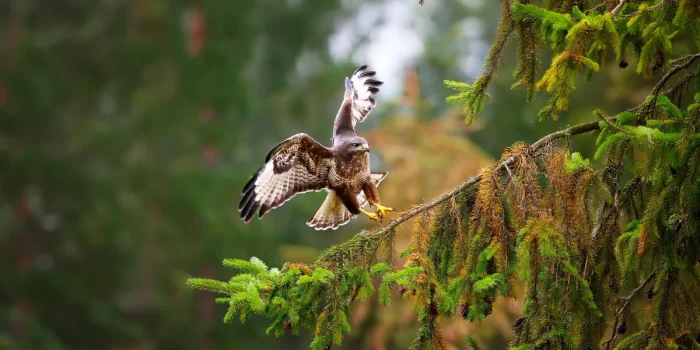
Scientists increasingly recognize wildlife as one of nature’s earliest warning systems. Unusual mortality in birds has helped identify outbreaks of West Nile virus, while surveillance of wild mammals and migratory birds plays an important role in monitoring avian influenza and other zoonotic diseases. Changes in wildlife populations reveal environmental contamination, habitat degradation, and climate-related stress before these problems become obvious [2].
Rather than reacting only after diseases spread, researchers are using wildlife monitoring to detect emerging threats earlier and strengthen public health preparedness.
Technology Is Revolutionizing Conservation
Modern wildlife conservation is increasingly driven by technology. Researchers now use environmental DNA (eDNA) to identify dozens of species from a single water or soil sample without ever seeing the animals themselves. Artificial intelligence can analyze millions of camera-trap photographs and thousands of hours of audio recordings to identify species automatically. Satellite imagery and drones help scientists monitor habitat loss, illegal deforestation, and ecosystem change in near real time [3].
These innovations are providing conservationists with faster, more accurate information while helping direct resources where they are needed most.
Climate Change Is Redrawing the Map of Wildlife
Climate change is reshaping ecosystems around the world. Many species are shifting their geographic ranges toward cooler regions or higher elevations as temperatures rise. Others are experiencing changes in breeding seasons, migration timing, and food availability. These shifts can alter ecological relationships and create new opportunities for diseases to spread among wildlife, livestock, and people [4].
Understanding these changes has become a major priority for scientists working to anticipate future conservation and public health challenges.
A One Health Perspective
The concept that Wildlife Conservation Matters reflects the core principles of One Health by recognizing that the health of people, animals, and ecosystems cannot be separated.
Healthy wildlife populations support ecosystem services such as clean water, pollination, climate regulation, and disease control. At the same time, protecting natural habitats can reduce opportunities for zoonotic spillover and strengthen environmental resilience.
One Health encourages collaboration among ecologists, veterinarians, public health professionals, conservation biologists, and policymakers to develop solutions benefiting biodiversity and human well-being.
Conclusion
National Wildlife Day reminds us that wildlife conservation is no longer only about protecting endangered species. It is about preserving the living systems that regulate our climate, support food production, maintain biodiversity, and help detect emerging health threats.
The growing body of research demonstrating that Wildlife Conservation Matters shows that protecting wildlife is also an investment in healthier ecosystems and healthier communities. As new technologies continue to transform conservation science, our ability to understand and protect nature is becoming more powerful than ever.
The future of human health may depend as much on the species that share our planet as it does on the decisions we make to protect them.
References
- Cardinale, B.J. et al., 2012. Biodiversity loss and its impact on humanity. Nature, 486(7401), pp.59–67.
https://doi.org/10.1038/nature11148 - IPBES, 2020. Workshop Report on Biodiversity and Pandemics. Available at:
https://ipbes.net/pandemics - Stephenson, P.J., 2020. Technological advances in biodiversity monitoring: Applicability, opportunities and challenges. Current Opinion in Environmental Sustainability, 45, pp.36–41.
https://doi.org/10.1016/j.cosust.2020.08.005 - Pecl, G.T. et al., 2017. Biodiversity redistribution under climate change: Impacts on ecosystems and human well-being. Science, 355(6332), eaai9214.
https://doi.org/10.1126/science.aai9214