Introduction
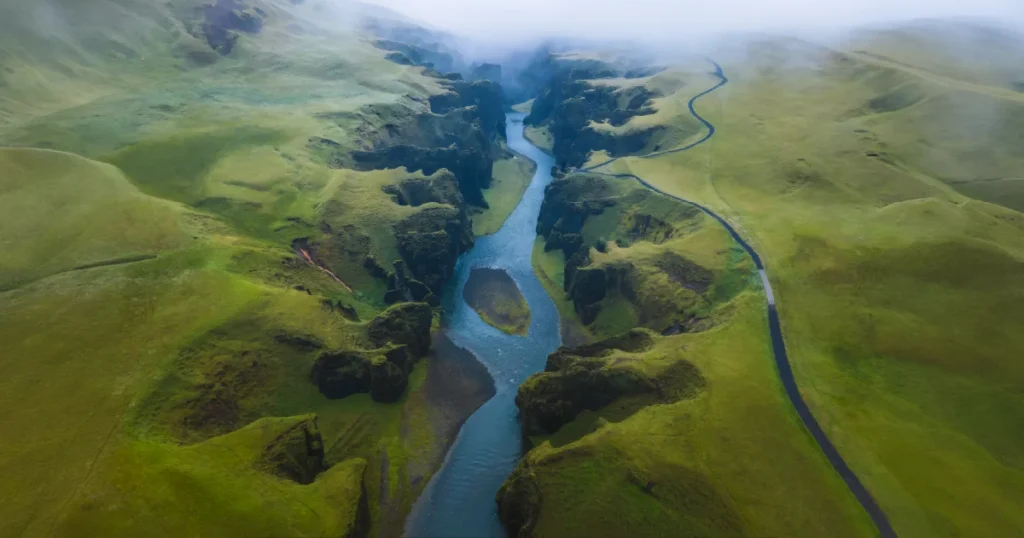
Wild animals occupy nearly every ecosystem on Earth, from tropical rainforests and coral reefs to grasslands, wetlands, and mountain ranges. Yet the survival of countless species depends on something often taken for granted: habitat. The importance of Wildlife Habitat Protection has never been greater as human activities, climate change, and environmental degradation continue to reshape natural landscapes across the globe.
Wild About Wildlife Month celebrates the extraordinary diversity of life that shares our planet while drawing attention to the growing challenges facing wildlife populations. Scientists estimate that habitat loss remains one of the leading drivers of biodiversity decline worldwide, affecting species survival, ecosystem stability, and environmental resilience [1]. Protecting wildlife habitats is not only about preserving individual species—it is about maintaining the ecological systems that support life itself.
How can Wildlife Habitat Protection help secure a healthier future for both nature and humanity?
Wildlife Habitat Protection and Biodiversity
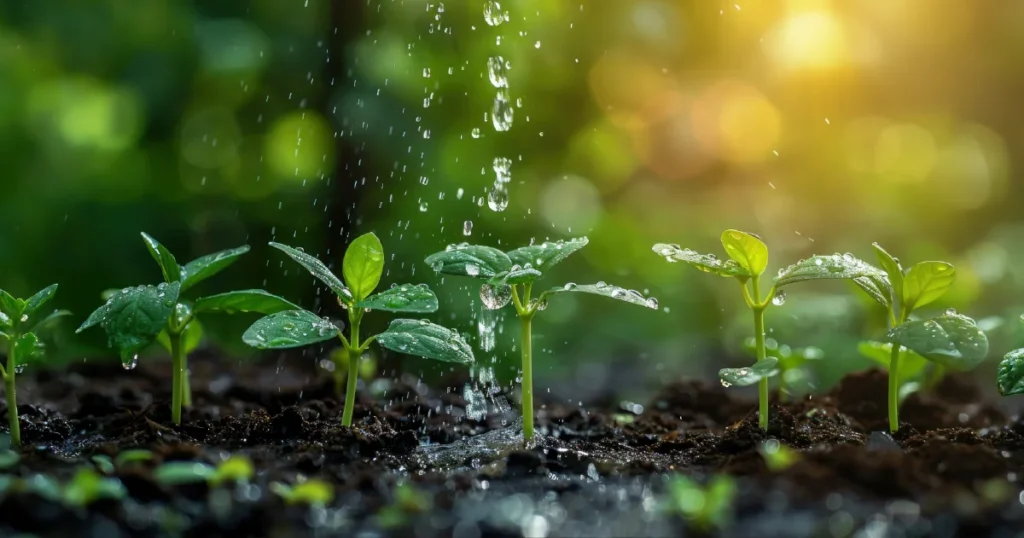
Healthy habitats provide food, shelter, breeding grounds, and migration corridors for wildlife. When these environments remain intact, species are better able to thrive and maintain stable populations.
Scientific research demonstrates that biodiversity strengthens ecosystem resilience and supports essential environmental processes [2]. Diverse ecosystems are often better equipped to recover from disturbances such as droughts, wildfires, storms, and disease outbreaks.
Protecting habitats therefore helps safeguard both wildlife populations and the ecological functions they provide.
Habitat Loss in the Modern Era
Across the world, forests are being cleared, wetlands are being drained, and natural landscapes are increasingly fragmented by urban expansion and infrastructure development.
Habitat fragmentation can isolate wildlife populations, reduce genetic diversity, and limit access to food and breeding areas. Many species struggle to adapt when their habitats become smaller and more disconnected.
According to the Intergovernmental Science-Policy Platform on Biodiversity and Ecosystem Services (IPBES), land-use change remains one of the most significant threats to global biodiversity [3].
Climate Change and Wildlife Movement
Climate change is altering habitats at an unprecedented pace. Rising temperatures, changing rainfall patterns, sea-level rise, and more frequent extreme weather events are forcing many species to shift their ranges in search of suitable conditions.
Some animals are moving toward higher elevations or cooler regions, while others face shrinking habitats with limited opportunities for relocation. These changes may disrupt migration routes, breeding cycles, and food availability.
Scientists increasingly view wildlife as indicators of broader environmental change because animal populations often respond quickly to shifting ecosystem conditions.
Why Wildlife Matters to Human Well-Being
Wildlife contributes to ecosystem services that directly support human life. Healthy ecosystems help regulate water supplies, pollinate crops, maintain soil fertility, and support food production.
Many communities also depend on wildlife-related tourism, recreation, and cultural traditions. When biodiversity declines, the economic and environmental benefits provided by healthy ecosystems may decline as well.
Protecting wildlife therefore helps support both ecological stability and human prosperity.
A One Health Perspective
The concept of Wildlife Habitat Protection closely aligns with the One Health approach, which recognises the connection between animal, environmental, and human health.
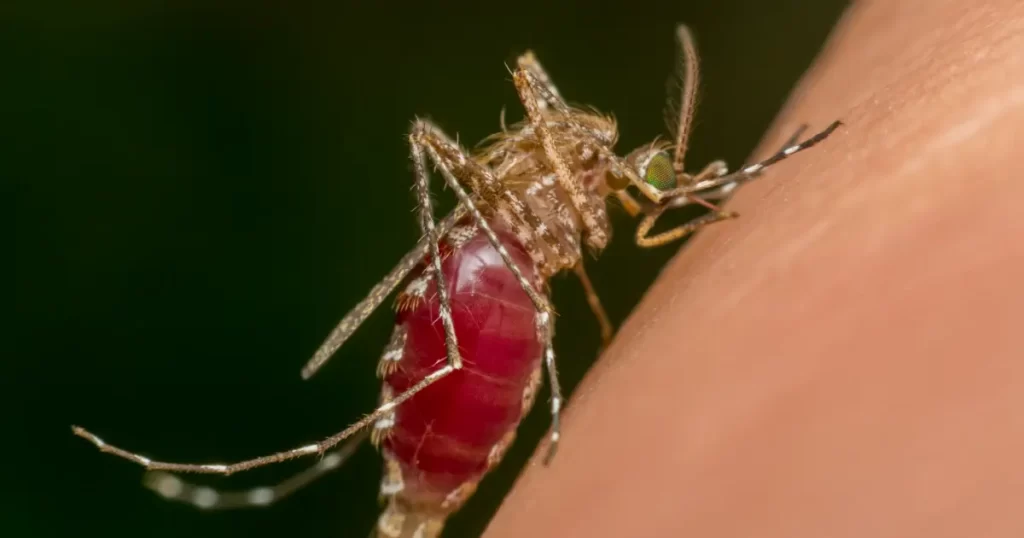
Habitat degradation can increase contact between wildlife, domestic animals, and human populations, potentially raising the risk of disease transmission. Healthy ecosystems, by contrast, often support more balanced ecological relationships and greater environmental resilience.
Integrated conservation strategies that combine habitat protection, biodiversity conservation, sustainable land management, and public health planning are essential for long-term sustainability. One Health reminds us that protecting wildlife ultimately helps protect the environmental systems people depend upon every day.
Conclusion
Wild About Wildlife Month serves as a reminder that wildlife conservation begins with protecting the places animals call home. The growing importance of Wildlife Habitat Protection reflects the reality that biodiversity, environmental stability, and human well-being are deeply interconnected.
Habitat loss, climate change, and environmental degradation continue to place increasing pressure on wildlife populations worldwide. Yet conservation efforts, habitat restoration, and sustainable land management can help preserve ecosystems for future generations.
Protecting wildlife habitats is not simply an investment in nature—it is an investment in the future health of the planet itself.
References
- Díaz, S. et al., 2019. Pervasive human-driven decline of life on Earth points to the need for transformative change. Science, 366(6471), eaax3100.
https://doi.org/10.1126/science.aax3100 - Cardinale, B.J. et al., 2012. Biodiversity loss and its impact on humanity. Nature, 486, pp.59–67.
https://doi.org/10.1038/nature11148 - IPBES, 2019. Global Assessment Report on Biodiversity and Ecosystem Services. Available at:
https://ipbes.net/global-assessment - Gibb, R. et al., 2020. Zoonotic host diversity increases in human-dominated ecosystems. Nature, 584, pp.398–402.
https://doi.org/10.1038/s41586-020-2562-8