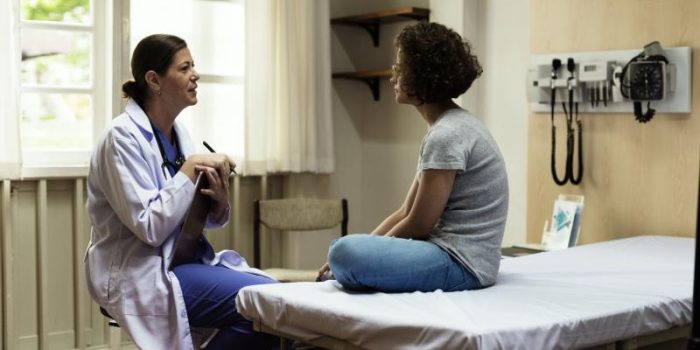
Screening for human papillomavirus (HPV) remains an effective way to find high-risk strains of HPV early. With self-sample HPV testing kits, women can collect their own swab instead of having a doctor or nurse conduct the test.
Two studies examine how women respond to HPV self-sampling testing and find that, when it’s offered, women prefer it. The self-collecting tests could encourage more HPV screening in populations missed in annual screenings.
Self-collection could improve screening rates…
In the first study, researchers randomly assigned 640 women ages 30 to 69 in Singapore to one of two equal-sized groups. Healthcare providers asked women in the regular-care group if they would undergo clinician testing for HPV.
In the interventional group, medical staff first asked if women would like a clinician to screen them for HPV. If they declined, they then offered them a self-collection kit. The study was published this week in the Annals of Family Medicine.
Scientists found a higher rate of high-risk HPV strains, 3.1%, in the interventional cohort, compared with 0.3% in the usual-care group. What’s more, women offered either clinician testing or self-testing were more likely to agree to screening, with 56.5% undergoing HPV screening in the intervention group and 42.8% in the usual-care group.
“Offering self-sampling HPV DNA testing alongside clinician sampling significantly increased screening uptake and high-risk HPV detection rates,” wrote the authors, led by scientists at the National Healthcare Group in Singapore.
The increase in willingness to undergo self-testing for HPV could have a positive impact in the country, where only 43% of women are screened annually for the virus, which is much lower than the national goal of screening 70% of eligible women.
…and testing rates for women with substance abuse
A study published today in JAMA Network Open examined the willingness of women with substance use disorder to engage in self-collection HPV testing.
Such women tend to avoid medical care and are less likely to receive regular HPV screening. They’re also at increased risk of having long-term HPV infections.
HPV self-collection testing can expand cervical cancer screening in settings that do not currently offer this service and reach previously unscreened patients, which should play a role in reduced health care disparities and cervical cancer mortality.
Scientists at the University of Washington wondered if offering self-testing at an outpatient opioid treatment program would increase women’s willingness to undergo HPV screening. Of 194 patients, 174 (89%) qualified for the study, 19 (9.8%) had recently been screened, and one (0.5%) was ineligible because she didn’t have a cervix.
The vast majority of patients, 158 (90.8%), agreed to undergo self-collection HPV testing, which they conducted in the opioid treatment program’s restroom.
Of those, 128 (81%) did not test positive for HPV; seven (4.4%) tested positive for HPV-16 or HPV-18, both high-risk strains of the virus; and 23 (14.6%) tested positive for another high-risk HPV strain. Of the 30 patients with positive HPV tests, 16 participated in follow-up care.
“Using HPV self-collection testing was feasible and acceptable, with both high patient eligibility and uptake,” the authors wrote. “HPV self-collection testing can expand cervical cancer screening in settings that do not currently offer this service and reach previously unscreened patients, which should play a role in reduced health care disparities and cervical cancer mortality.”