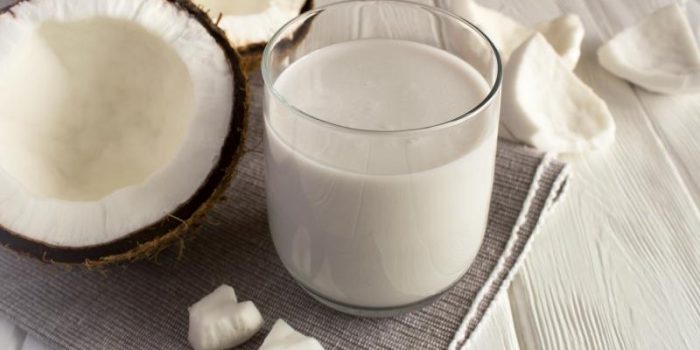
A 2024 listeriosis outbreak in Canada that sickened at least 20 people and killed three has been traced to contaminated plant-based milk products, marking what public health authorities believe is the first listeriosis outbreak tied to alternative dairy beverages.
A detailed investigation into the source of the outbreak was published this month in Eurosurveillance.
Listeriosis is caused by Listeria monocytogenes bacteria, and it is a rare but potentially severe foodborne illness that disproportionately affects people with weakened immune systems. Ready-to-eat meats and soft cheeses are well-known sources of Listeria infection, though novel sources continue to be identified, including products like plant-based milk.
Contamination ‘not expected’ in pasteurized food
Investigators from Public Health Ontario detected the outbreak in June 2024 when routine testing of leftover food collected from a patient’s home identified L monocytogenes in an opened coconut-based beverage. Whole-genome sequencing identified a genetic link between the patient’s case and the positive sample collected from the beverage.
The researchers identified several more previous genetically related cases that occurred from August 2023 to June 2024. The outbreak resulted in 15 hospitalizations and three deaths. Patients ranged in age from 7 to 89 years old, and 14 of the 20 confirmed case-patients had underlying medical conditions.
Plant-based beverages are not a known source of L. monocytogenes outbreaks and, because the implicated product was pasteurised, contamination was not expected.
When listeriosis outbreaks occur, public health investigators follow up with standardized questionnaires to help identify the source of the outbreak. But existing questionnaires did not ask about plant-based dairy alternatives.
“Plant-based beverages are not a known source of L. monocytogenes outbreaks and, because the implicated product was pasteurised, contamination was not expected,” write the authors. The investigators created a new, targeted survey that asked about dairy alternatives.
The first eight Ontario patients who took the updated survey all reported consuming the same brand of plant-based beverages. Ultimately, 19 of the 20 patients reported consuming products from that brand.
Exact contamination source never identified
Investigators traced the outbreak to a single manufacturing plant in Ontario, collecting hundreds of swabs from pre- and post-pasteurization areas in the facility. While they found L monocytogenes in four non–food-contact areas of the facility, with two of the four samples genetically linked to the outbreak strain, the exact source of contamination was never identified.
In July 2024, the brand issued a voluntary recall of 18 different types of their refrigerated beverage products with production dates through October 2024. A second brand that was produced on the same line (but not tied to any confirmed cases) was also recalled. After the recall, production on the line stopped and never resumed. The facility has since closed.
The authors say the outbreak highlights the value of testing leftover food samples during outbreak investigations and suggests that plant-based dairy alternatives should now be considered a potential source of listeriosis. They also argue that questions about dairy alternatives should be added to standardized follow-up questionnaires.