Introduction
Water is essential for survival, yet its role extends far beyond basic hydration. It is a critical factor in maintaining hygiene, preventing disease, supporting food systems, and sustaining ecosystems. During Water-Saving Week, attention often focuses on conservation, but the deeper connection between water and public health is equally important.
Globally, billions of people still lack reliable access to safe water, affecting their ability to maintain sanitation and prevent illness. As water resources become more limited due to climate change and population growth, the risks to health systems continue to increase [2].
How does water availability shape health outcomes across individuals, communities, and entire populations?
1. Safe water is essential for disease prevention
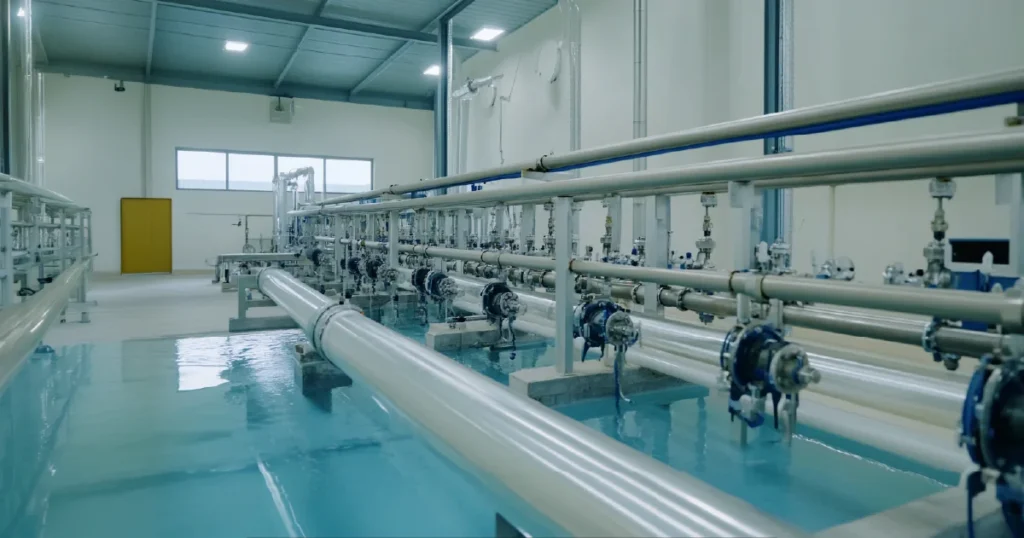
Access to clean water is one of the most effective ways to prevent infectious diseases. Contaminated water can carry pathogens responsible for illnesses such as cholera, diarrhea, and typhoid fever [1]. Without reliable water sources, maintaining basic hygiene becomes difficult, increasing the spread of disease [2].
Improving water quality directly reduces infection rates and supports healthier communities.
2. Hygiene depends on water availability
Handwashing, sanitation, and household cleaning all rely on access to sufficient water. In areas facing water scarcity, hygiene practices may be limited, increasing exposure to harmful microorganisms [2].
This connection became especially evident during global health crises, where access to water was critical for preventing disease transmission. Water conservation and access are therefore directly linked to public health protection.
3. Water quality affects food safety
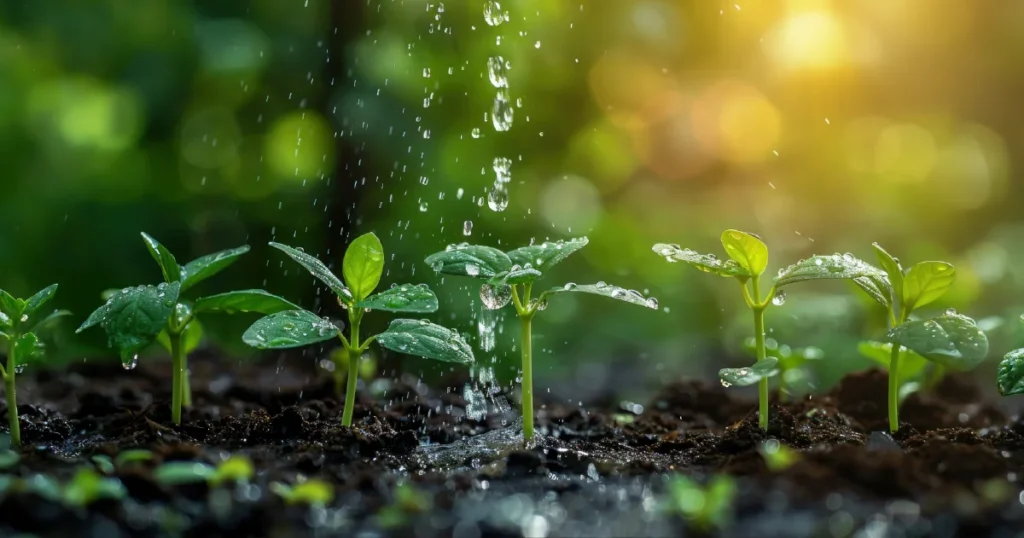
Water is essential throughout the food production process, from irrigation to food preparation. Contaminated water can introduce harmful bacteria into crops and food supplies, increasing the risk of foodborne illness [3].
Agricultural systems that rely on poor-quality water may contribute to outbreaks and long-term health risks. Ensuring safe water sources is key to maintaining food safety and protecting public health.
4. Water scarcity impacts nutrition
Limited water availability affects food production, reducing crop yields and livestock productivity. This can lead to food shortages and reduced nutritional quality, particularly in vulnerable regions [4].
As water becomes scarce, communities may struggle to access diverse and nutritious food, increasing the risk of malnutrition and related health conditions.
5. Ecosystem health supports clean water
Natural ecosystems play a vital role in maintaining water quality. Wetlands, forests, and rivers act as natural filtration systems, removing pollutants and supporting clean water supplies.
When ecosystems are degraded, water quality declines, increasing exposure to contaminants. Protecting these systems is essential for maintaining safe water and reducing health risks.
6. Water stress increases long-term health risks
Chronic water shortages create long-term challenges for communities. Reduced access to clean water can lead to persistent health issues, increased healthcare burdens, and reduced quality of life [2].
As water demand continues to grow, managing water resources becomes critical for maintaining stable health systems and preventing future crises.
Why water and public health are inseparable
Water and public health are deeply interconnected. Access to safe water supports hygiene, reduces disease transmission, and ensures food safety. At the same time, water scarcity and poor quality increase health risks and strain communities [1][2].
Understanding this relationship highlights the importance of water conservation not only as an environmental action but as a public health priority.
A One Health Perspective
Water and public health are connected through interactions between environmental systems, human populations, and community conditions. Water availability influences sanitation, food production, and ecosystem stability, all of which affect health outcomes. Environmental degradation reduces water quality, while human demand increases pressure on limited resources. Recognizing these connections supports more sustainable water management and strengthens resilience across health systems and ecosystems.
Conclusion
Water-Saving Week emphasizes the importance of conserving one of the world’s most critical resources. The connection between water and public health shows that water is not only necessary for survival but essential for maintaining safe and stable health conditions.
From preventing disease to supporting food systems and ecosystems, water plays a central role in global well-being. Protecting water resources today helps ensure healthier communities and more resilient systems in the future.
Water conservation is not just about saving water—it is about protecting health.
References
- Troeger, C., Forouzanfar, M., Rao, P.C., Khalil, I., Brown, A., Reiner, R.C., Fullman, N., Thompson, R.L., Abajobir, A., Ahmed, M. and Alemayohu, M.A., 2017. Estimates of global, regional, and national morbidity, mortality, and aetiologies of diarrhoeal diseases. The Lancet Infectious Diseases, 17(9), pp.909–948. Available at:
https://doi.org/10.1016/S1473-3099(17)30276-1 - Prüss-Ustün, A., Wolf, J., Bartram, J., Clasen, T., Cumming, O., Freeman, M.C., Gordon, B., Hunter, P.R., Medlicott, K. and Johnston, R., 2019. Burden of disease from inadequate water, sanitation and hygiene. International Journal of Hygiene and Environmental Health, 222(5), pp.765–777. Available at:
https://doi.org/10.1016/j.ijheh.2019.05.004 - Rocha, R.S., da Silva, J.V. and de Almeida, J.R., 2020. Water quality and food safety: implications for public health. Food Control, 109, p.106920. Available at:
https://doi.org/10.1016/j.foodcont.2019.106920 - Myers, S.S., Smith, M.R., Guth, S., Golden, C.D., Vaitla, B., Mueller, N.D., Dangour, A.D. and Huybers, P., 2017. Climate change and global food systems: potential impacts on food security and undernutrition. Annual Review of Public Health, 38, pp.259–277. Available at: https://doi.org/10.1146/annurev-publhealth-031816-044356