Introduction
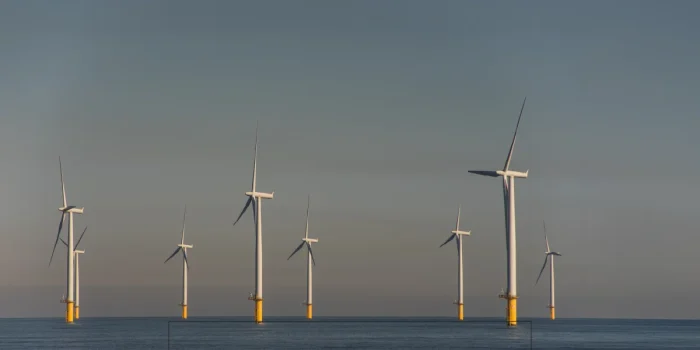
Wind has powered human civilisation for thousands of years, from ancient sailing vessels to traditional windmills scattered across rural landscapes. Today, however, wind energy is entering a completely new era shaped by artificial intelligence, advanced engineering, and offshore innovation. The rapid rise of Future Wind Technology is transforming how electricity is generated, managed, and integrated into modern energy systems worldwide.
Global Wind Day highlights the growing importance of renewable energy as countries seek cleaner alternatives to fossil fuels. Modern wind farms are no longer simply rows of spinning turbines. Engineers and scientists are now developing intelligent turbine systems, floating offshore platforms, and massive next-generation blades capable of producing more energy with greater efficiency than ever before.
How could Future Wind Technology reshape the future of energy, climate resilience, and environmental sustainability?
Future Wind Technology and AI Optimization
Artificial intelligence is becoming one of the most important tools in modern wind energy systems. AI-assisted software can analyse wind speed, weather conditions, turbine performance, and maintenance needs in real time.
Scientific research shows that machine learning systems can improve wind farm efficiency while reducing operational costs and mechanical stress [1]. Smart algorithms also help predict equipment failures before they occur, allowing operators to perform preventive maintenance more effectively.
These technologies are helping wind energy systems become more reliable and economically sustainable as renewable energy demand continues to grow.
The Rise of Floating Offshore Wind Farms
One of the most significant developments in renewable energy involves floating offshore wind farms. Unlike traditional offshore turbines fixed to the seabed, floating systems operate on large platforms anchored in deep ocean waters.
This innovation allows wind farms to access stronger and more consistent wind currents farther from coastlines. Research indicates that floating offshore wind technology may dramatically expand global renewable energy capacity during the coming decades [2].
Countries investing in offshore wind infrastructure are increasingly viewing deep-water systems as an important part of future energy security and climate adaptation strategies.
Engineering the Next Generation of Turbines
Modern wind turbines are becoming larger, lighter, and more technologically advanced. Some next-generation turbines now stand taller than skyscrapers and use blades longer than football fields.
Engineers are developing advanced composite materials that improve durability while reducing structural weight. Improved aerodynamic blade designs also allow turbines to capture more energy even under lower wind conditions.
Studies suggest that larger turbine systems can significantly increase renewable energy efficiency while lowering long-term electricity costs [3]. These engineering breakthroughs are helping wind energy compete more directly with conventional energy systems worldwide.
Wind Energy and Environmental Sustainability
Wind energy plays an increasingly important role in reducing greenhouse gas emissions and supporting climate resilience. Unlike fossil fuel systems, wind turbines generate electricity without direct carbon emissions during operation.
Research from the International Energy Agency shows that renewable energy expansion is essential for achieving long-term climate goals and reducing environmental pressures [4].
Wind power also contributes to improved air quality and reduced dependence on non-renewable resources.
As renewable technologies continue to evolve, wind energy is becoming a major part of the global transition toward cleaner energy systems.
A One Health Perspective
The concept of Future Wind Technology aligns closely with the One Health approach, which recognises the connection between environmental, human, and societal well-being.
Cleaner energy systems help reduce air pollution, environmental degradation, and climate-related health risks affecting communities worldwide. Renewable technologies may also improve energy resilience while supporting long-term environmental sustainability.
Integrated strategies that combine technological innovation, environmental protection, and sustainable infrastructure are essential for building healthier and more resilient societies. One Health highlights that the future of public health is closely connected to the future of sustainable energy systems.
Conclusion
Wind energy is no longer just a traditional renewable resource—it is becoming one of the most technologically advanced sectors of the global energy transition. The rapid evolution of Future Wind Technology demonstrates how engineering, artificial intelligence, and offshore innovation are reshaping the future of clean energy.
Floating wind farms, intelligent turbine systems, and next-generation engineering are opening new possibilities for renewable energy production worldwide. Yet continued investment, scientific research, and environmental planning remain essential for ensuring sustainable growth.
References
- Qolomany, B. et al., 2019. Deep learning for predicting wind turbine power output. Renewable Energy, 143, pp.322–332.
https://doi.org/10.1016/j.renene.2019.04.057 - WindEurope, 2024. Floating Offshore Wind Vision Statement.
https://windeurope.org/policy/topics/offshore-wind/floating-offshore-wind/ - Veers, P. et al., 2019. Grand challenges in the science of wind energy. Science, 366(6464), eaau2027.
https://doi.org/10.1126/science.aau2027 - International Energy Agency, 2023. Renewables 2023.
https://www.iea.org/reports/renewables-2023