
Earlier this week Cambodian officials announced the country’s fifth human H5N1 avian flu case this year, this one involving a 9-month-old girl.
The girl has been hospitalized and is receiving intensive care. So far no source of infection or exposure has been found, but the child’s close contacts are being given oseltamivir (Tamiflu) as a precaution.
Cambodia reported 19 human cases of H5N1 in 2025, eight of which were fatal. Most recent cases in Cambodia have involved a reassortant (2.3.2.1e) between an older H5N1 clade that has circulated in Cambodia since 2014 and the newer clade 2.3.4.4b virus that is circulating globally.
Utah reports H5N1 in poultry, cattle
In US news, the US Department of Agriculture’s Animal and Plant Health Inspection Service (APHIS) reported for the second week in a row an egg farm H5N1 outbreak in Cache County, Utah, affecting 275,100 birds. In the past 30 days, 1.49 million birds have been hit with H5N1 in the United States.
APHIS also noted several new detections of avian flu in cattle in Utah and Idaho, with each state reporting four confirmed cases this week. Twenty-six cattle in the past 30 days have been confirmed to be infected with H5N1, raising the year’s total to 81 cases.
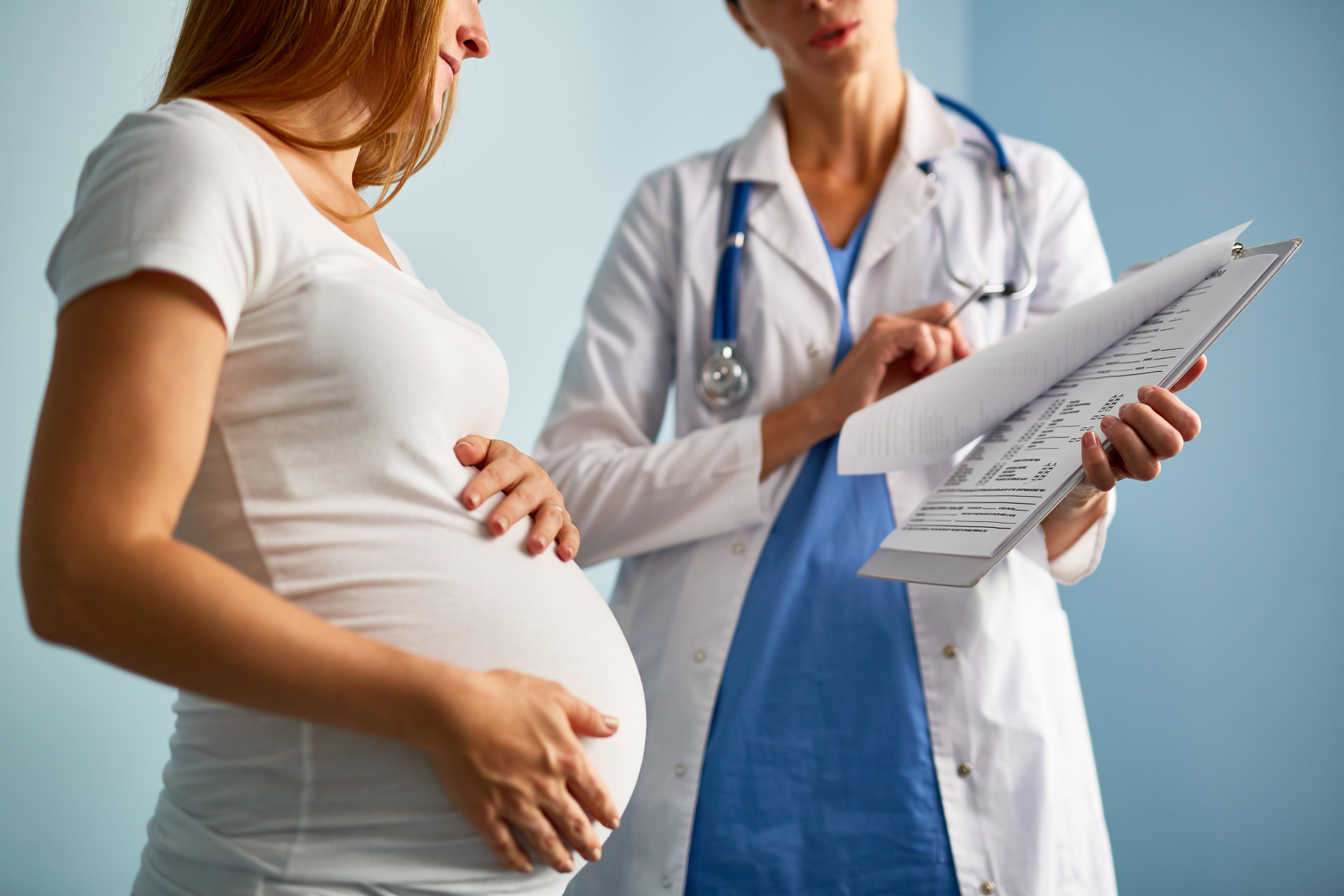
Infants born to mothers vaccinated before, during, or soon after pregnancy for COVID-19 or flu were more likely to receive vaccines than those born to unvaccinated mothers, suggests a study published in Pediatrics.
“The results show that maternal vaccination is strongly associated with infant vaccination in the first year of life, especially when vaccination occurred during pregnancy or shortly after delivery,” wrote the study’s authors, from Kaiser Permanente Northern California. “Improving maternal vaccine coverage during those times may improve child vaccine coverage, ensuring continuous protection in early life.”
Implications for policymaking, intervention development
The researchers looked at 82,533 mother-infant pairs in a retrospective cohort study of babies born from August 18, 2021, to March 31, 2024, to see how mothers’ vaccination status affected their babies’ likelihood of receiving flu or COVID-19 vaccines.
The mothers of 32,370 babies (39% of the total) received a COVID-19 vaccine during pregnancy, and 43,806 babies (53%) were born to mothers who received a flu shot while pregnant.
Improving maternal vaccine coverage during those times may improve child vaccine coverage, ensuring continuous protection in early life.
If moms received a COVID-19 vaccine during pregnancy, their babies were 9.65 times more likely to also receive the COVID-19 vaccine. Moms who received a flu shot had babies who were 3.67 times more likely to also receive one. Babies had a 66.2% probability of getting a flu shot and a 23.4% chance of getting a COVID vaccine before they turned 1 year.
“Our findings also suggest that some women may not be comfortable being vaccinated during pregnancy but are willing to vaccinate their infants; differences in attitudes toward vaccinating themselves vs their children have been observed in qualitative studies of parents, although not specifically around pregnancy,” the authors wrote. “Future studies examining the interplay of these factors will be an important part of making policy and developing interventions.”
Most of the measles patients Prisma Health Greenville Memorial Hospital cared for during South Carolina’s recent outbreak were kids aged 10 years or younger.
According to a letter from the health system’s physicians, published yesterday in the New England Journal of Medicine, Prisma treated 81 people for measles from October 2025 to April 2026.
A total of 997 cases were reported to the South Carolina Department of Public Health during the outbreak. The cases were concentrated in the Upstate region, particularly Spartanburg County, where measles, mumps, and rubella (MMR) vaccination coverage was 88.9%.
The letter notes that at least 73% of those who sought care at Prisma were unvaccinated. Statewide, 93% of cases were among unvaccinated South Carolinians.
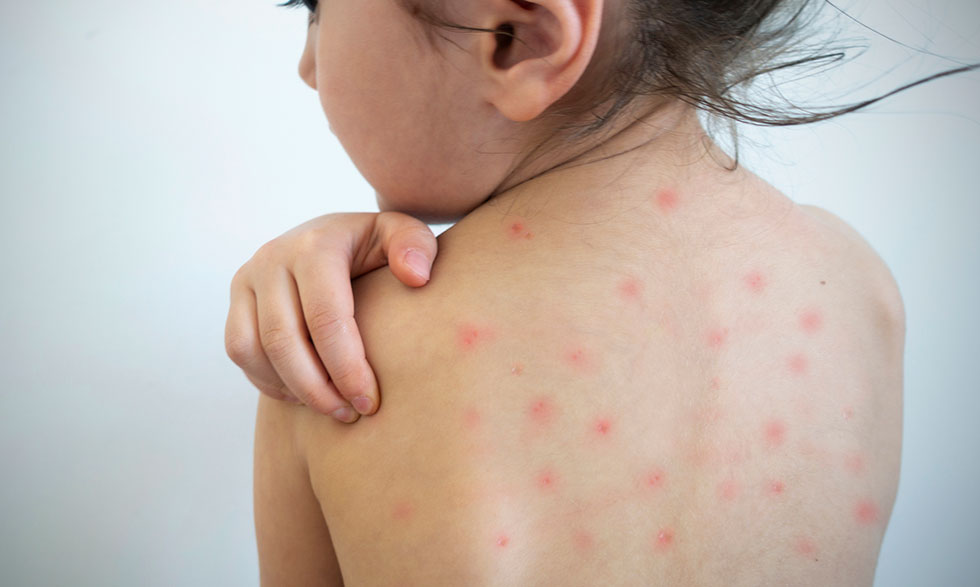
The most common symptoms observed by Prisma clinicians were fever, cough or other respiratory symptoms, and the characteristic rash of flat red spots. Koplik spots, which are tiny, bluish-white clustered lesions on the inside of the mouth, were reported in a quarter of patients.
Severe outcomes, lasting complications
None of the 81 patients seen at Prisma Health died. Ten children and three adults were hospitalized, primarily for dehydration, respiratory problems, or pneumonia.
Most hospitalized patients were sent home within 72 hours, though the report notes that two had prolonged hospitalizations due to measles encephalitis, a life-threatening inflammation of the brain. One of the two was discharged to an inpatient rehabilitation facility and “as of the time of this report is receiving ongoing outpatient therapy.” The other patient recovered but continues to have headaches and a vocal tic.
Within a month after being diagnosed with measles, 24 of the patients had concurrent or subsequent infections. The most common infections were pneumonia, a type of ear infection called otitis media, and sinusitis, an inflammation of the sinus tissue.
Ebola workers strike as CDC head says agency’s response will last months