Introduction
Most people rarely notice the insects surrounding them each day. Yet the survival of forests, crops, wildlife, and entire ecosystems depends heavily on the invisible work insects perform across the planet. The fragile system of Hidden Ecosystem Balance is maintained by pollinators, decomposers, predators, and countless insect species that quietly regulate environmental stability behind the scenes.
Insect Week highlights the growing scientific understanding that insects are essential for maintaining biodiversity and ecological resilience. Bees pollinate food crops, beetles recycle nutrients, ants improve soil structure, and aquatic insects support freshwater ecosystems. Despite their importance, many insect populations are now declining because of habitat destruction, pollution, pesticide exposure, and climate change.
What happens when the Hidden Ecosystem Balance maintained by insects begins to disappear?
Hidden Ecosystem Balance and Pollination
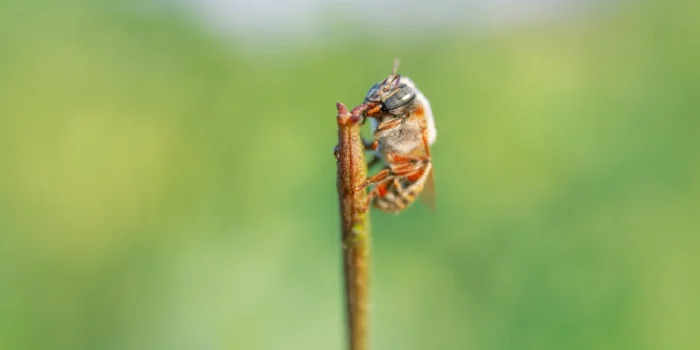
Pollination is one of the most important environmental services insects provide. Bees, butterflies, moths, and flies help fertilise crops and wild plants that support food systems and biodiversity worldwide.
Scientific evidence shows that pollinators are essential for maintaining agricultural productivity and ecosystem resilience [1]. Without insect pollination, many fruits, vegetables, and flowering plants would struggle to survive.
Declining pollinator populations therefore threaten both environmental stability and global food security.
The Insects Beneath Healthy Soil
Healthy ecosystems depend heavily on insects living beneath the surface. Beetles, ants, termites, and other soil-dwelling species break down organic material, recycle nutrients, and improve soil quality.
Research demonstrates that biodiversity strengthens ecosystem stability and environmental recovery [2]. Insects help maintain fertile soil systems that support forests, agriculture, and freshwater ecosystems.
Without these natural recycling systems, ecosystems may become less productive and more vulnerable to environmental stress.
Food Chains Few People Notice
Insects form the foundation of many food webs across terrestrial and freshwater ecosystems. Birds, amphibians, reptiles, fish, and small mammals all depend heavily on insect populations for survival.
Studies show that insect declines may contribute to broader biodiversity loss and ecosystem disruption [3]. When insect populations decrease, the effects can spread throughout entire food chains, destabilising ecosystems in ways that are often difficult to detect immediately.
Even small changes in insect biodiversity may create long-term environmental consequences.
Climate Change and Ecological Pressure
Climate change is placing increasing pressure on insect populations worldwide. Rising temperatures, droughts, habitat destruction, and shifting seasonal patterns are altering insect behaviour and survival rates.
Scientists continue to document significant declines in insect biomass across multiple ecosystems [4]. Pollinators and habitat-sensitive species are especially vulnerable to environmental disruption and biodiversity loss.
Protecting insect habitats through sustainable land management and environmental conservation is becoming increasingly important for preserving ecosystem resilience.
A One Health Perspective
The concept of Hidden Ecosystem Balance strongly aligns with the One Health approach, which recognises the connection between environmental, animal, and human health.
Insects support pollination, biodiversity, soil health, food systems, and ecosystem stability worldwide. Environmental disruption affecting insects may also influence wildlife populations, agricultural productivity, and human well-being.
Integrated strategies that combine biodiversity conservation, sustainable agriculture, climate adaptation, and environmental protection are essential for maintaining resilient ecosystems. One Health highlights that protecting insects also helps protect the environmental systems humans depend on every day.
Conclusion
Insects may be small, but the environmental systems they support are enormous. The fragile nature of Hidden Ecosystem Balance demonstrates how deeply connected biodiversity, food production, soil health, and ecosystem stability truly are.
Climate change, pollution, and habitat destruction continue to threaten insect populations worldwide. Yet conservation efforts, sustainable farming practices, and environmental awareness campaigns can still help protect the species that quietly sustain life behind the scenes.
Insect Week reminds us that some of the most important forces shaping life on Earth are often the ones people rarely see.
References
- IPBES, 2016. The Assessment Report on Pollinators, Pollination and Food Production.
https://www.ipbes.net/assessment-reports/pollinators - Cardinale, B.J. et al., 2012. Biodiversity loss and its impact on humanity. Nature, 486, pp.59–67.
https://doi.org/10.1038/nature11148 - Sánchez-Bayo, F. and Wyckhuys, K.A.G., 2019. Worldwide decline of the entomofauna: A review of its drivers. Biological Conservation, 232, pp.8–27.
https://doi.org/10.1016/j.biocon.2019.01.020 - van Klink, R. et al., 2020. Meta-analysis reveals declines in terrestrial but increases in freshwater insect abundances. Science, 368(6489), pp.417–420.
https://doi.org/10.1126/science.aax9931