Today in Morbidity and Mortality Weekly Report, researchers probe the 402 US foodborne disease outbreaks caused by marine toxins in fish and shellfish over 23 years, revealing 1,280 illnesses, 96 hospitalizations, and one death.
Scientists from the Centers for Disease Control and Prevention (CDC) and the Oak Ridge Institute for Science and Education parsed data from the CDC’s Foodborne Disease Outbreak Surveillance System (FDOSS) from 2011 to 2023. Local, state, and territorial health departments have voluntarily reported foodborne illness outbreaks to FDOSS through the CDC’s National Outbreak Reporting System since 2009.
Storage of fish under uncontrolled temperatures can trigger production of histamine, which can cause allergic responses in people, and scombroid toxins made by bacteria with highly active enzyme histidine carboxylase. Other marine toxins can be produced by algae and build up in fish and shellfish through the food chain, occur naturally in fish species, or stem from unknown sources.
The authors said that marine toxins cause most of the noninfectious outbreaks reported to FDOSS each year. “Marine toxins that cause foodborne illness are tasteless, odorless, resistant to cooking or freezing, and can produce a complex variety of gastrointestinal, neurologic, and neuropsychologic symptoms,” they wrote. “Among persons with severe illness resulting from ingestion of marine toxins, cardiovascular and respiratory manifestations can result in hospitalization and death.”
Nearly all cases involve scombroid toxin, ciguatoxin
During the study period, the national rate of marine toxin–related outbreaks was 1.2 per 1 million people. Outbreaks occurred in 32 states, Puerto Rico, and Washington, DC, with the highest rate in Hawaii (25.3/1 million). Of all outbreaks, 99% were traced to a food source, 96% of which was fish.
Of the 313 outbreak investigations with a known food importation status, 70% weren’t imported. Among the 377 outbreaks in which a single food-preparation location was identified, 51% were private homes, and 34% were sit-down restaurants.
Nearly all outbreak reports (95%) implicated scombroid toxin (192 outbreaks, 597 illnesses, and six hospitalizations) or ciguatoxin (189, 619, and 67, respectively). New York reported the most outbreaks (22%).
Scombroid fish poisoning is an allergic-like reaction that occurs within hours of consuming fish contaminated with high levels of histamine. When some types of fish aren’t refrigerated properly, bacteria in the fish can proliferate, breaking down the fish tissue and generating high amounts of histamine.
Ciguatoxin, which is endemic in tropical and subtropical waters, is caused by eating fish such as barracuda and grouper that have consumed ciguatoxin-producing dinoflagellates. While ciguatoxin poisoning is rarely fatal, it can cause gastrointestinal, cardiovascular, neurologic, and dermatologic symptoms.
Outbreaks concentrated in seaside states
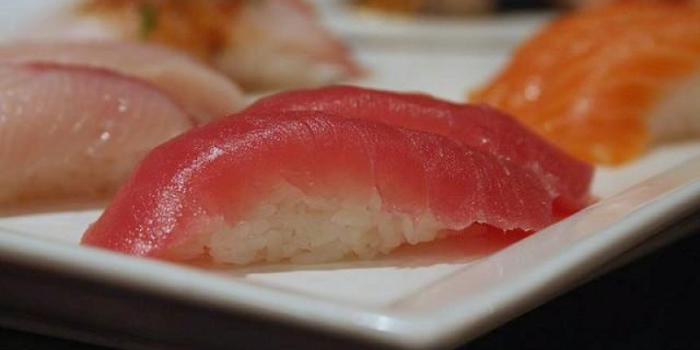
Of the 189 scombroid toxin outbreak reports with a known food source, 76% implicated tuna. Among the 131 scombroid toxin outbreak reports with known importation status, 53% were traced to imported foods. In total, 57% of the 181 scombroid toxin outbreak reports with a single food-preparation location implicated sit-down restaurants.
The varying characteristics of outbreaks caused by marine toxins highlight the need for tailored prevention measures that account for both environmental conditions and consumer behaviors.
Of the 189 ciguatoxin outbreaks, Florida reported the greatest proportion, at 47%. Among the 187 ciguatoxin outbreaks with a known food source, 31% were linked to barracuda, 13% implicated grouper, and 12% were tied to amberjack. A total of 87% of the 164 ciguatoxin outbreaks with a known importation status were caused by domestically caught fish, and 80% of the 178 outbreaks with a single food-preparation site were traced to private homes.
Toxins traced to shellfish caused 13 non-imported outbreaks, with most caused by paralytic shellfish poisoning (46%) or neurotoxic shellfish poisoning (31%). Florida reported 38% of the outbreaks, which included 40 illnesses and nine hospitalizations.
Mussels and sea snails were each implicated in 31% of outbreaks, while clams caused 23%. None of the outbreak investigations implicated imported shellfish. Of the 11 shellfish-associated toxin outbreaks with a single food preparation location, private homes were involved in 73%.
Safe fishing, proper seafood storage
Scombroid toxin and ciguatoxin are important targets for public health intervention. “Geographic expansion, increasing frequency, and increasing intensity of harmful algal blooms in U.S. coastal waters might increase the presence of ciguatoxin and shellfish-associated toxins in aquatic animals,” the researchers wrote.
“The varying characteristics of outbreaks caused by marine toxins highlight the need for tailored prevention measures that account for both environmental conditions and consumer behaviors,” they added.
Prevention of scombroid toxin involves food-safety practices such as storing seafood below 40° Fahrenheit from catch to consumption.
“Understanding the needs and practices of recreational harvesters could help public health officials craft targeted communications about safer practices for harvest location and affected aquatic species,” the authors concluded. “Reducing the harvesting of reef fish and shellfish from high-risk areas, especially during and immediately after harmful algal blooms, might prevent illnesses from these toxins.”